
Laser Hardening: Precision, Performance, and Modern Manufacturing Advantages
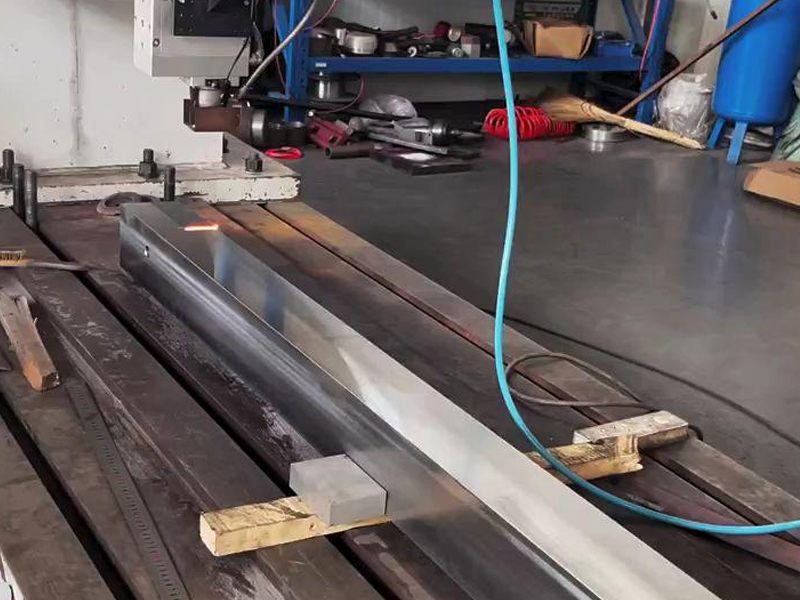
Laser hardening, also known as laser transformation hardening, is a revolutionary surface treatment technology. It uses a focused, high-energy laser beam to selectively heat and rapidly cool specific areas of a component. This process creates a super-hard, wear-resistant martensitic layer while maintaining the core material’s original toughness.
In critical mechanical components, it is extensively used in the automotive industry to harden engine cylinder liners, crankshafts, camshafts, gear teeth, and clutch surfaces. The tool and die industry relies on it to significantly extend the service life of injection molds, stamping dies, and cutting tool edges.
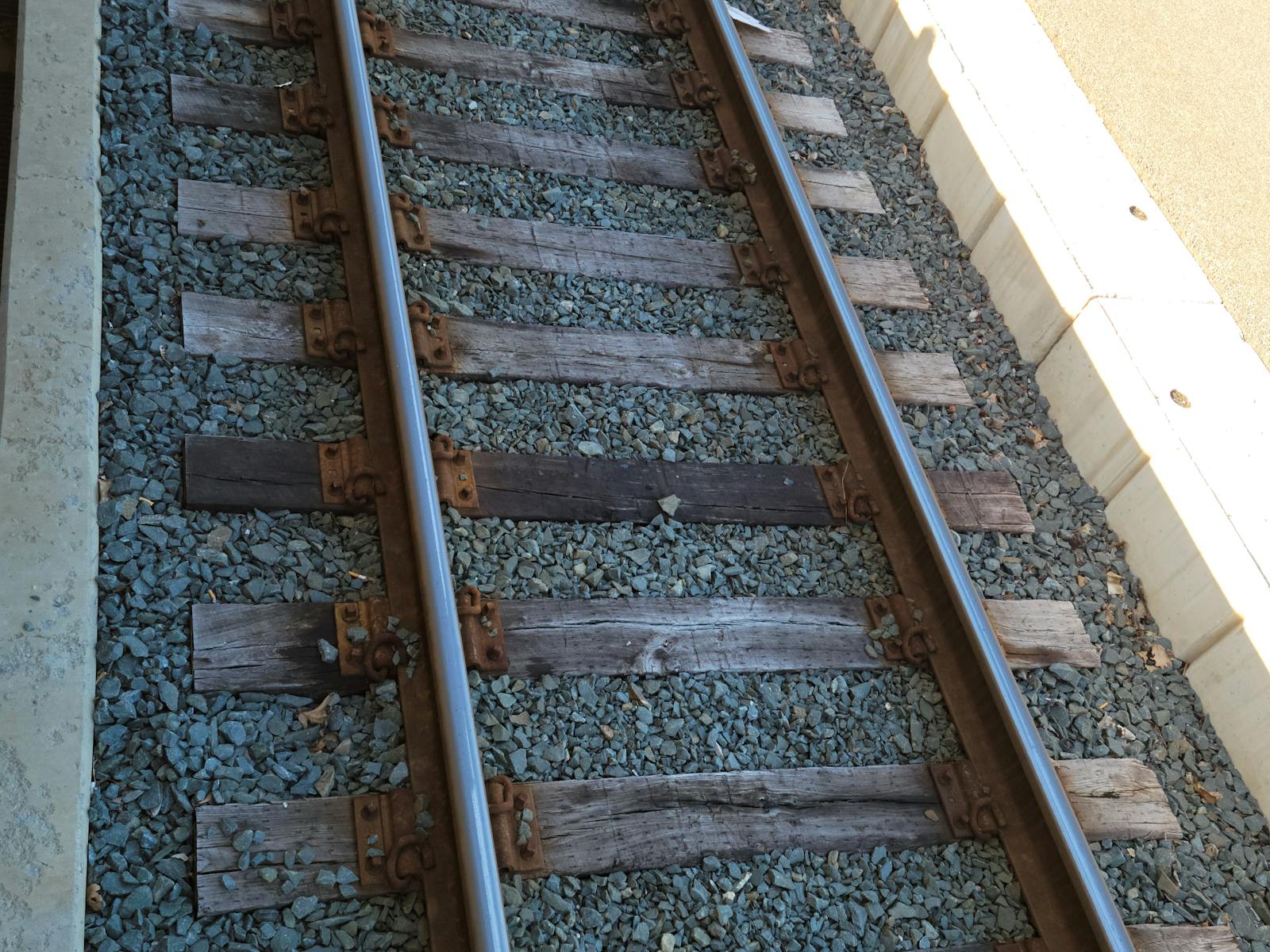
For precision and specialized parts, the aerospace sector applies laser hardening to components like landing gear parts and turbine engine blade roots. It is also crucial in rail transport for hardening track contact surfaces and in energy generation for components in nuclear and wind power systems.
A standout capability is treating complex geometries and enabling selective hardening. It excels at treating intricate shapes such as grooves, edges, and channels that are challenging for induction hardening. This allows engineers to strengthen only a gear’s root or a specific wear path without affecting the entire part.
Laser hardening outperforms conventional methods like flame or induction hardening. It offers exceptional precision with extremely localized treatment capable of hardening zones less than one millimeter wide. The rapid heating and cooling cycle produces a fine-grained martensitic structure, often resulting in surface hardness 10 to 20 percent higher than traditional quenching.
As a completely dry process that relies on the substrate’s mass for cooling, it requires no quenching oils or water, making it clean and environmentally friendly. Switching hardening patterns for different parts is as simple as loading a new software program, removing the need for physical tooling changes like custom induction coils.
Contact us if you need laser hardening solutions or surface treatment services.
Application Context for Laser Hardening: Precision, Performance, and Modern Manufacturing Advantages
Automation projects need more than a marking head. The feeding method, positioning logic, PLC communication and quality inspection flow decide whether the marking system can run reliably in production.
Recommended CNMarking Solutions and Internal Resources
If you are comparing equipment for a similar application, the following CNMarking pages are useful next steps:
- Automated Laser Marking on Production Line – see a PLC-controlled production-line marking solution.
- Custom Side Laser Marking Conveyor Case Study – review conveyor-side marking for industrial parts.
- Fully Automated Steel Pipe Dot Peen Marking Demonstration – connect automation needs to steel pipe traceability.
- Dual-Vision Dual-Laser Precision Marking Solution – review vision positioning for complex workpieces.
How to Choose a Similar Marking Setup
Before selecting a machine, prepare a short sample brief with the following information. This helps CNMarking recommend the right laser, dot peen, scribe or automation configuration instead of only matching a picture.
- Part feeding and unloading method
- Positioning tolerance and fixture repeatability
- PLC, barcode, MES or vision integration
- Expected cycle time and maintenance access
Related Reading
- Custom Side Laser Marking Conveyor Case Study
- Fully Automated Steel Pipe Dot Peen Marking Demonstration
- Dual-Vision Dual-Laser Precision Marking Solution
- How to Choose the Right Laser Marking Machine for Your Factory
FAQ
Can CNMarking test my own samples before I choose a machine?
Yes. For most marking, cleaning and welding projects, sample testing is the fastest way to confirm contrast, depth, speed and fixture requirements before final configuration.
What information should I send for a quotation?
Please send the material, part size, marking or cleaning area, required result, production volume and any automation or traceability requirements. Photos or short videos of the current process are also helpful.