
Laser Fume Extraction for Marking and Cleaning Cells
Industrial ventilation guide
Laser fume extraction for marking and cleaning cells should be planned as part of the process, not added after operators complain about smoke. B2B buyers need a practical route that starts with the real material and contamination, keeps capture close to the process point, protects optics and visibility, and gives maintenance teams clear triggers for filter service or downtime.
This guide covers what to prepare before an extraction review, which parameter boundaries and layout choices need confirmation, how operators should sequence startup and production, what quality checks prove the extraction route is still supporting the job, when to stop for maintenance, and how safety should shape the full workstation design. It avoids invented universal airflow, speed or machine figures because those values depend on the actual process duty, part geometry, enclosure design and local compliance plan.
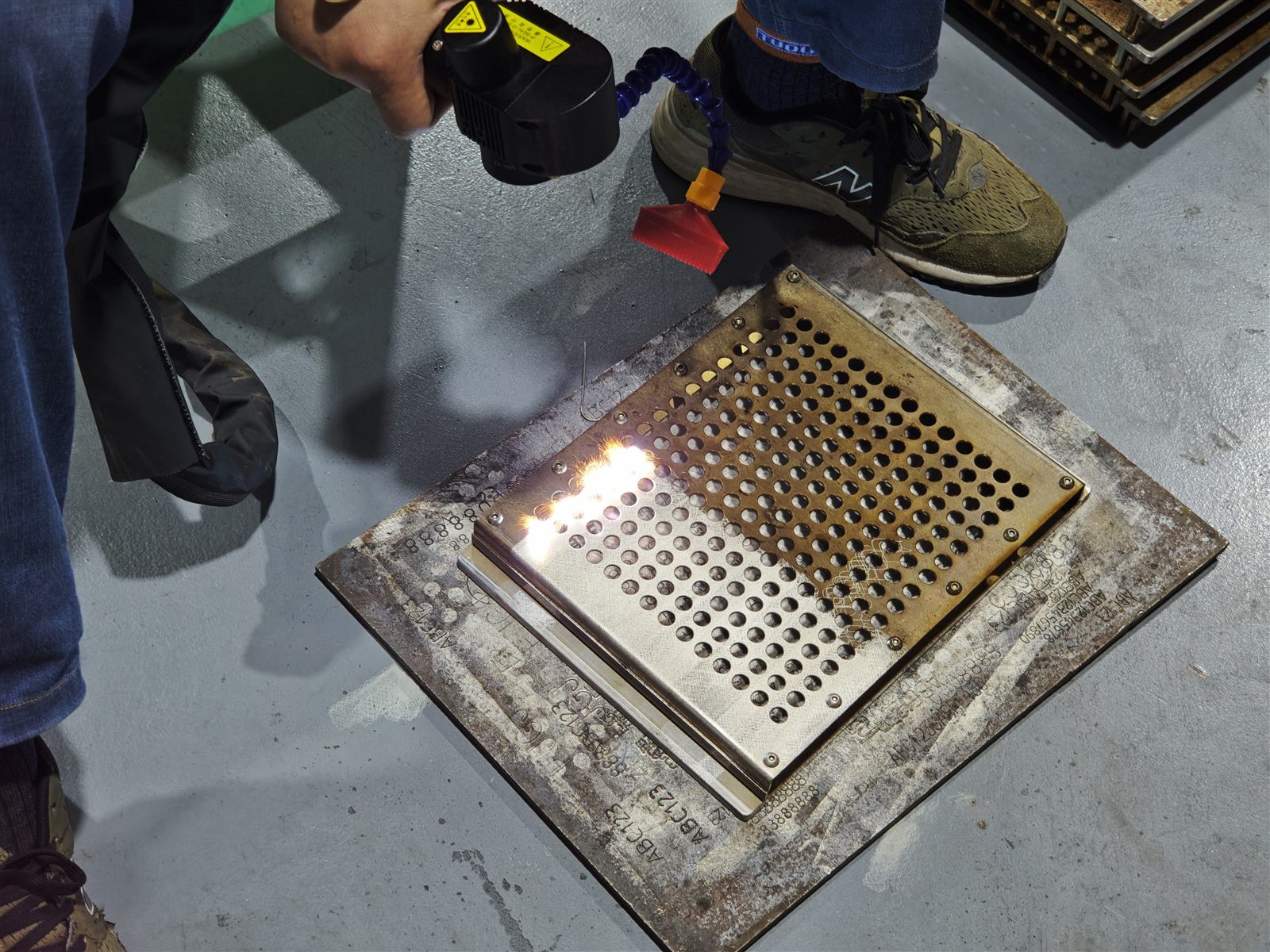
- What information should buyers collect before asking for a fume-extraction layout?
- Which material and process boundaries should trigger a fresh extraction review?
- How do open marking cells, enclosed marking cells and laser cleaning stations differ in source-capture planning?
- What operating steps help operators confirm extraction performance before defects or housekeeping problems spread?
- Which quality and maintenance checks should move a station from normal production into planned service?
- How should safety, downtime and equipment selection be linked in one B2B discussion?
1. Prepare The Right Inputs Before Reviewing Extraction
A good extraction discussion starts with process facts, not with a request for a generic exhaust number. Buyers should define the part material, surface condition, contamination or coating, whether the process is marking or cleaning, what shift pattern will be used, how the part is loaded, and what quality outcome proves the station is acceptable. Without these inputs, even a technically impressive extractor can end up too far from the plume source, too hard to maintain, or too disconnected from production reality.
- List the real materials being marked or cleaned, including any coatings, oils, rust, paint, residue or plating that may create different plume behavior.
- Document whether the process is open-table marking, Class 1 enclosed marking, handheld cleaning or fixture-based cleaning inside a guarded booth.
- Capture workstation photos that show operator position, part loading direction, cable travel and where the capture point can realistically sit.
- Define the duty cycle: short-batch work, long production shifts, intermittent repair work or mixed part families.
- Record the acceptance rule: visual contrast, readable code, cleaned surface condition, downstream bonding, coating or welding requirement, or housekeeping limit inside the cell.
2. Confirm Material, Process And Layout Boundaries Before Selecting The Route
Extraction should be reviewed whenever the material, contamination load, enclosure state or access method changes enough to alter where plume is generated and where it can be captured. This is especially important in mixed B2B environments where a supplier may support both laser marking and laser cleaning from one workshop footprint. Buyers should ask for clear stop-and-review boundaries rather than assuming one layout fits every future job.
| Boundary to confirm | What the team should check | Why it matters |
|---|---|---|
| Material and residue type | Whether the job changes from clean metal marking to painted, oily, oxidized or coated surfaces, or from light marking to heavier cleaning removal. | Plume volume, particulate behavior and maintenance demand can change sharply with the real surface condition even when the laser platform looks similar. |
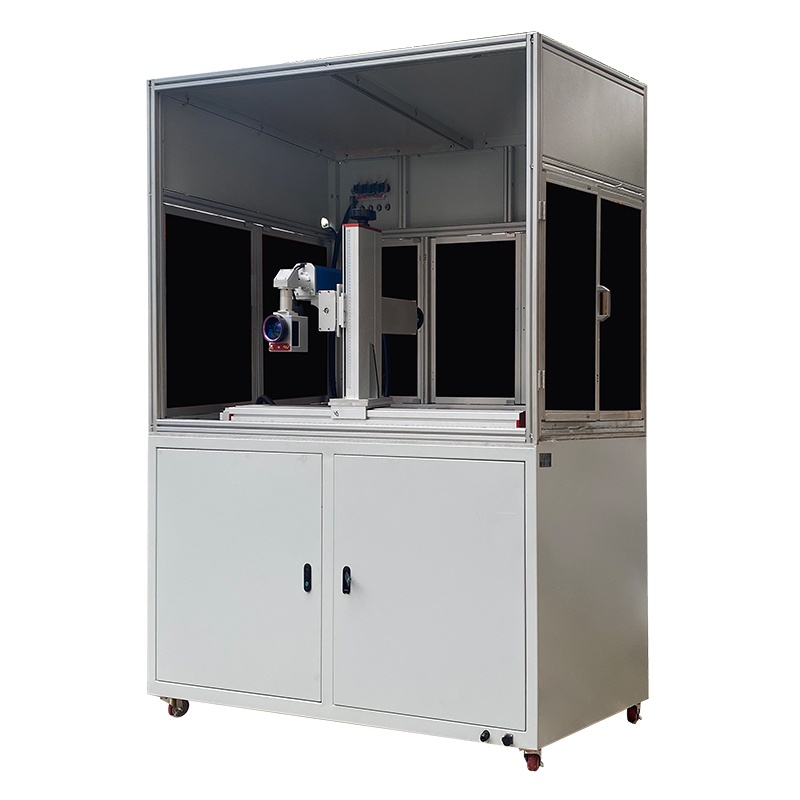
| Open versus enclosed processing | Whether the station is open-access, partially guarded or fully enclosed, and how doors, fixtures and operator access affect the capture path. | Enclosures help contain the process, but they do not replace source capture or solve maintenance access automatically. |
| Capture-point distance | How close the inlet can stay to the active plume across the full travel path, including corners, deep cavities or large-part motion. | If the capture point cannot stay close enough to the source, smoke may escape into the cell, settle on optics or reduce visual control for the operator. |
| Filter service access | Whether filters, hoses and pre-separation components can be inspected, changed and documented without forcing unsafe workarounds. | Extraction that is hard to service often degrades quietly until quality or housekeeping problems become visible on finished work. |
| Quality-and-stop trigger | Which conditions require production to pause: visible smoke escape, residue redeposit, optics contamination, reduced code contrast or unstable cleaning appearance. | This keeps teams from masking extraction problems by changing the laser recipe first and losing traceability of the real cause. |
3. Compare Common Extraction Planning Scenarios
Not every laser cell needs the same extraction layout. Buyers often compare machines without comparing how the operator loads parts, where plume is generated or how maintenance teams will reach filters and ducts. A short comparison table helps frame the right questions before a supplier recommends hardware or duct routing.
| Scenario | Typical process concern | What to verify first | Maintenance emphasis |
|---|---|---|---|
| Open laser marking workstation | Smoke and particulate can spread quickly if the capture point does not follow the marking zone. | Part size range, operator hand position, fixture repeatability and whether the inlet can stay near the real mark area. | Frequent inspection of hose routing, nozzle position and optics cleanliness. |
| Class 1 enclosed laser marking cell | Residue can recirculate inside the enclosure if capture and airflow path are poorly planned. | Door-open workflow, internal capture location, service access and how finished parts leave the enclosure without recontamination. | Filter-change discipline, chamber housekeeping and alarm response. |
| Laser cleaning station | Heavier debris or coating removal can increase filter loading and housekeeping demand. | Substrate condition, expected removal task, debris direction, operator visibility and whether the process is selective or broad-area cleaning. | Filter condition, debris collection, optics protection and scheduled downtime planning. |
4. Operating Steps: Startup, Run, Quality Check And Shutdown
Extraction performance should be confirmed through the same production flow the operator actually uses. That means startup checks, a controlled first part, ongoing observation and a disciplined shutdown. When buyers ask suppliers how to size or configure extraction, they should also ask how operators will verify it is still working during normal production.
Startup and preparation
- Confirm the correct part family, material condition and approved recipe before emission starts.
- Inspect the capture point, hose route, filter status indicator and any service notes from the previous shift.
- Check that fixtures, guarding and operator access still let the inlet remain close to the real plume source.
- For enclosed cells, verify the chamber is clean enough that new residue patterns can still be noticed quickly.
- For cleaning jobs, confirm debris-collection housekeeping is complete before loading new parts.
Running the job
- Process the first representative part under normal loading conditions instead of testing only an easy demo position.
- Watch for visible smoke escape, odor, residue settling, reduced visibility or signs that the capture point is too far from the active zone.
- If the job changes to a new material, coating or access angle, pause and review whether the existing layout still matches the plume source.
- Do not compensate for extraction weakness by immediately guessing different laser settings; first confirm whether the environment around the process has changed.
- Record any abnormal plume behavior or faster-than-normal optics contamination before the next batch continues.
Quality check
- For marking, verify code readability, contrast consistency and absence of residue that interferes with scanners or visual inspection.
- For cleaning, verify the treated area matches the required cleanliness or surface-preparation standard without obvious redeposit.
- Check nearby optics, windows, clamps and finished-part surfaces for residue build-up that suggests poor capture.
- Use the same quality rule during production that the buyer used during sample approval so extraction and process discussions stay connected.
Shutdown
- Remove loose debris and leave the station in a condition where the next shift can spot changes immediately.
- Log filter concerns, visible smoke escape, odor reports or rapid residue build-up while the details are still specific.
- Stop and tag the cell if the extraction route needs service before the next shift can run safely.
5. Quality Drift, Maintenance Triggers And Downtime Planning
One of the most useful B2B questions is not “which extractor do you sell?” but “what evidence tells us to stop and service the station before quality slips further?” Downtime planning becomes much clearer when the team agrees on real triggers instead of waiting for a dramatic failure.
| Observed signal | Immediate action | Planning question |
|---|---|---|
| Visible smoke escapes the capture zone | Pause production, inspect capture-point position and confirm the cell layout still matches the part path. | Is this a one-time loading problem, or does the layout need redesign for the real product mix? |
| Residue settles on optics, windows or finished surfaces faster than usual | Review filter condition, housekeeping and whether debris is being pulled away from the process point effectively. | Does maintenance need a shorter interval, or is the station now running a heavier contamination load than planned? |
| Marking contrast or cleaning appearance becomes inconsistent | Check the process environment before changing recipes blindly, and compare the result against the approved sample or inspection rule. | Is the issue really a laser setting problem, or is poor capture disturbing the process and operator visibility? |
| Operators report odor, poor visibility or nuisance alarms | Escalate the issue as an EHS and uptime concern rather than only a comfort complaint. | What evidence should be added to the maintenance log so the supplier can recommend the next corrective step quickly? |
6. Safety Should Shape The Full Extraction Conversation
Laser fume extraction is part of a larger workstation-safety discussion that includes guarding, startup discipline, housekeeping, maintenance access and how teams respond when the process changes. Buyers should ask suppliers to explain not only what hardware is included, but also where the safe operating boundary is and when production should stop for review.
- Keep source capture close enough to the active process point that plume is controlled before it spreads through the cell.
- Make filter service and hose inspection reachable so maintenance is not delayed by awkward access.
- Use the same shift log for quality drift, smoke escape, residue build-up and safety observations so root cause can be traced.
- Treat new coatings, changed substrates, heavier contamination or revised part access as fresh review triggers, not as minor recipe tweaks.
- For enclosed cells, pair extraction planning with door workflow, part transfer, residue cleanup and optics housekeeping.
CTA: Match Extraction Design To The Real Job
If your team is planning a marking or cleaning cell, send the actual material list, process photos, layout sketch, quality rule, shift pattern and maintenance concerns. That makes it possible to recommend a route that fits the plume source, service burden and production goal instead of offering a generic exhaust promise.
Review Laser Marking Machines
Compare Dot Peen Alternatives
Ask For An Extraction-Focused Recommendation
Frequently Asked Questions
Do all laser marking and laser cleaning jobs need the same extraction airflow setting?
No. Buyers should ask the supplier to define source-capture layout, duct path, filter stages and alarm logic for the real material, contamination, enclosure style and duty cycle. A single universal airflow value is not a safe acceptance rule.
When should the team stop production and review extraction instead of adjusting the laser recipe?
Stop when smoke escapes the capture zone, residue settles back onto the part, operators report visibility loss or odor, optics contamination rises faster than normal, or the cleaned or marked result starts drifting for no clear process reason.
What should a buyer send before asking for an extraction proposal?
Send the part material, contamination or coating description, process photos, workstation layout, enclosure concept, shift pattern, quality rule, and any existing EHS or maintenance constraints. This lets the supplier size the layout around the real job instead of a generic brochure claim.
Why does fume extraction matter even on an enclosed cell?
Because enclosure doors alone do not remove plume at the process point. The cell still needs capture close to the source, filter maintenance, alarm response and a cleaning routine that prevents residue from recirculating onto optics, fixtures or finished parts.