
Laser Cleaning Machine Maintenance Checklist for Daily and Weekly Service
Industrial service guide
A laser cleaning machine maintenance checklist should do more than remind the operator to wipe the cabinet. It should protect cleaning quality, reduce unplanned downtime, keep the optics and extraction path stable, and make shutdown safer for the next shift. Industrial buyers and plant managers often focus on laser source headlines first, but daily service discipline is what decides whether the machine keeps removing rust, paint or contamination in a controlled and repeatable way.
This guide is written for B2B teams evaluating or operating laser cleaning equipment. It covers what should be prepared before the shift, which inspection boundaries matter when selecting daily settings, how to structure the operating sequence, what quality checks confirm the machine is still working correctly, what should move into a weekly routine, and how to link maintenance with safety and uptime planning. It avoids invented universal parameter numbers because real maintenance decisions still depend on optics layout, contamination load, cooling route and the actual production environment.

- What should the team inspect before the first cleaning cycle of the day?
- Which process boundaries should be confirmed before changing recipes or running a new surface condition?
- How should operators structure pre-start, run, quality-check and shutdown steps?
- What belongs in a weekly service routine instead of a quick daily check?
- How should maintenance findings be connected to downtime prevention and spare planning?
- Which safety controls must stay visible even when the job looks routine?
1. Prepare The Right Inputs Before The Shift Starts
A useful maintenance checklist begins before the operator touches the machine. The team should confirm what material is being cleaned, what contamination is expected, whether the process is selective or broad-area removal, and what quality rule defines success that day. If the station is switching from one part family to another, the maintenance routine should also confirm that the optics path, working distance, extraction position and fixture support still match the new task. Maintenance becomes guesswork when the process target is undefined.
- Confirm the actual work order, substrate and contamination condition for the shift.
- Review whether the machine will run short-batch work, continuous cleaning or selective repair zones.
- Check the previous shift log for alarms, unstable results, extraction issues or abnormal shutdown notes.
- Make sure the support sample or last approved part is available if the team needs to confirm cleaning quality after service.
- Verify that cleaning accessories, lens-protection parts, extraction consumables and housekeeping tools are ready before production begins.
2. Confirm Process Boundaries Before Changing Recipes Or Running New Parts
Daily service is not only about keeping the cabinet clean. It is also the checkpoint where the team confirms the process boundaries that protect the part and the machine. Industrial buyers should expect the operator to know when a new surface condition, coating thickness, fixture position or cleaning width requires a fresh sample check instead of reusing yesterday’s setup blindly. The maintenance checklist should therefore include clear “stop and confirm” conditions.
| Boundary to confirm | What the team should check | Why it matters |
|---|---|---|
| Optics and protective path | Cleanliness of windows, protective lenses, nozzle path and any obvious contamination around the beam exit. | Dirty optics can reduce cleaning consistency, increase heat risk and create false assumptions about process capability. |
| Cooling and environmental state | Whether air flow, water loop, ambient heat, dust load or enclosure ventilation differ from the previous stable run. | Maintenance must catch the conditions that shift the machine out of its stable process window before production quality drops. |
| Extraction and debris capture | Filter condition, hose routing, capture position and whether the extraction path still matches the actual cleaning point. | Weak fume or dust capture affects operator safety, optics cleanliness and visible process quality. |
| Fixture and access | Whether the part support, cable reach and working angle let the operator clean the intended zone without overreaching or unstable hand movement. | Even a healthy machine can produce unstable results when the access path forces awkward movement or inconsistent distance. |
| Sample-test trigger | Whether the substrate, contamination thickness, coating chemistry or quality target changed enough to justify a new sample confirmation. | This is where maintenance and production discipline meet. The checklist should stop the team from treating every job as identical. |
3. Daily Checklist: Pre-Start, Operating Steps, Quality Check And Shutdown
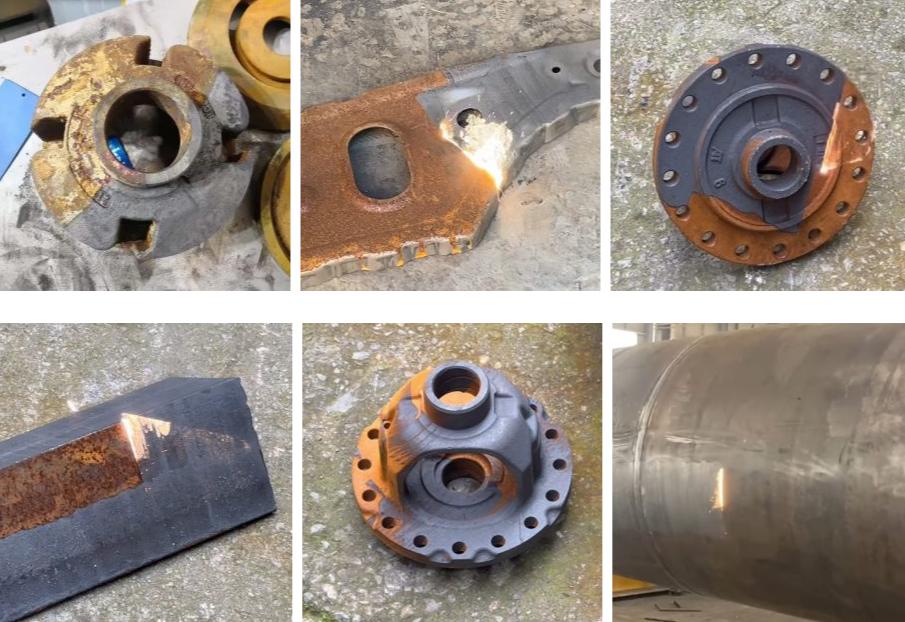
The daily routine should follow the actual production flow. That means the checklist needs a pre-start section, an operating sequence, a quality confirmation step and a shutdown routine. Teams that mix these together often miss the moment where a simple optics or extraction issue could have been caught before the first part was processed. Buyers who ask for a maintenance checklist should expect the supplier to support this sequence, not just provide a loose bullet list.
Pre-start
- Inspect the cabinet exterior, cables, handpiece or delivery path for visible wear, loose routing or contamination.
- Confirm power, grounding and interlock conditions according to the plant’s approved operating practice.
- Check optics access points, protective windows and nozzle cleanliness before the first job.
- Verify the extraction system is ready and aligned with the real cleaning area instead of only running in the background.
- Confirm the work area is free of unnecessary reflective scrap, loose consumables or tripping hazards.
Operating steps
- Load or position the part with stable access and confirm the intended cleaning zone before emission starts.
- For a new part or changed surface condition, run a controlled sample and review the result before full production.
- Watch for any unusual light scatter, debris behavior, extraction weakness or surface response that differs from the approved result.
- Pause the job if the process starts drifting instead of compensating by guessing stronger settings or forcing more passes.
- Record abnormal observations immediately so the next shift does not inherit an unexplained quality risk.
Quality check
- Compare the first approved part of the shift against the required cleanliness or substrate-preservation target.
- Check that adjacent areas, edges and sensitive features were not overheated or unintentionally altered.
- Confirm downstream readiness: recoating, welding, adhesive bonding, inspection or presentation requirements.
- If the process relies on a sample standard, keep that sample available during the shift rather than trusting memory alone.
Shutdown
- Remove loose debris from the work area and leave the station ready for the next inspection cycle.
- Record abnormal alarms, quality drift, filter concerns or optics contamination in the maintenance log.
- Shut down according to the approved sequence so optics, cooling and extraction are not left in an uncertain state.
- Flag any issue that should block the next shift instead of assuming the next operator will notice it in time.
4. Weekly Service Should Go Beyond Quick Housekeeping
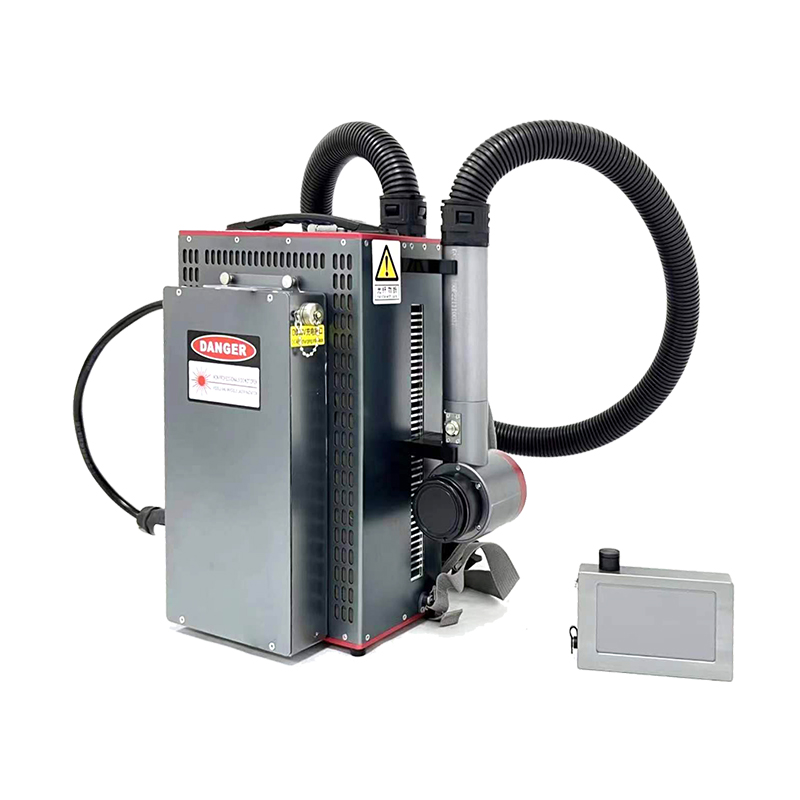
Weekly maintenance is where the team looks for repeated minor issues before they turn into lost production time. This is usually the right moment to review extraction efficiency, cable protection, cooling cleanliness, fastener stability around the work area, recurring quality deviations and spare consumption. In B2B operations, weekly service is especially important because laser cleaning stations are often expected to shift between different contaminants or part families. That flexibility increases the need for disciplined inspection.
- Review optics-protection parts and replace or service them according to the actual contamination pattern, not only a calendar habit.
- Inspect extraction filters, hose routing and capture efficiency more deeply than the daily visual check.
- Review cable routing, handpiece strain points and enclosure or work-area wear points.
- Check the maintenance log for repeated alarms, heat-related pauses, unstable cleaning width or quality complaints.
- Verify spare readiness for the consumables or service items that would create immediate downtime if unavailable.
5. Link Maintenance To Downtime Prevention And Spare Planning
Maintenance becomes more valuable when it is translated into uptime decisions. Plants often know that optics, extraction parts or service consumables matter, but they still treat each issue as a one-off event. A better checklist identifies which findings only need observation, which require a scheduled stop, and which should block the next shift. This helps buyers estimate the real operating burden of a machine instead of focusing only on initial purchase cost.
| Observed issue | Immediate action | Downtime planning question |
|---|---|---|
| Optics contamination returns quickly after cleaning | Inspect extraction capture, contamination load and operator handling before increasing process intensity. | Is the problem caused by the cleaning job, a missing service part, or a housekeeping gap that will repeat tomorrow? |
| Cleaning result becomes unstable across the shift | Stop and compare the current part with the approved sample before continuing. | Does the station need scheduled recalibration, deeper service or a process change before the next batch? |
| Extraction or debris capture weakens | Do not treat this as only a comfort issue; it can affect safety and optics life at the same time. | Are filters, hoses or capture accessories stocked and assigned to an owner? |
| Repeated alarms or unexpected pauses | Log the exact time, process condition and operator context while it is still traceable. | Is this a recoverable nuisance, or a pattern that should move the machine into planned maintenance before the next shift? |
6. Safety Checks Must Stay Inside The Maintenance Routine
Laser cleaning often feels cleaner and easier to manage than abrasive processes, but that does not reduce the need for maintenance-linked safety checks. The checklist should still confirm housekeeping, extraction, operator access, reflective-risk awareness, controlled startup, and disciplined shutdown. Safety also includes stopping the team from compensating for a maintenance issue with more aggressive process guesses.
- Do not continue production if the extraction path or housekeeping state makes the work area visibly unsafe.
- Keep reflective scrap, loose metal pieces and unnecessary bright surfaces away from the active cleaning area.
- Train operators to pause when quality drift appears instead of masking the problem with repeated passes.
- Use the same maintenance log to record safety-relevant observations, not only purely mechanical ones.
- When a part change creates uncertain access or surface response, treat it as a new sample-test condition before full output resumes.
CTA: Match The Checklist To The Real Cleaning Process
If your team is evaluating a new cleaning station or tightening an existing maintenance routine, send the actual substrate, contamination photos, current service pain points, shift pattern and any sample-approval criteria. That lets the supplier recommend a checklist and equipment route that fits the real job instead of a generic daily form.
Compare Pulse Cleaning Options
Ask For A Maintenance-Focused Recommendation
Frequently Asked Questions
Should buyers ask for a universal daily maintenance setting list before sample testing?
No. A useful maintenance checklist defines what must be inspected, cleaned, confirmed and recorded, but the acceptable process window still depends on the real cleaning duty, optics layout, extraction path and plant environment.
What usually belongs in a daily checklist?
Daily checks usually include optics cleanliness, cable condition, cooling status, nozzle path, extraction readiness, grounding, fixture stability, sample-mark verification and shutdown housekeeping.
What usually belongs in a weekly service routine?
Weekly service usually goes beyond operator checks and includes deeper cleaning, filter review, enclosure and cable routing inspection, fastener or support confirmation, spare-part status and review of recurring alarms, quality escapes or unplanned downtime.
Why should maintenance and quality be linked together?
Because a machine can appear to run while still drifting into lower cleaning quality, unstable contrast, extra heat input or unsafe housekeeping. Maintenance is valuable only when it protects repeatable production output, not when it simply checks boxes.