
Fiber Laser Marking Machine
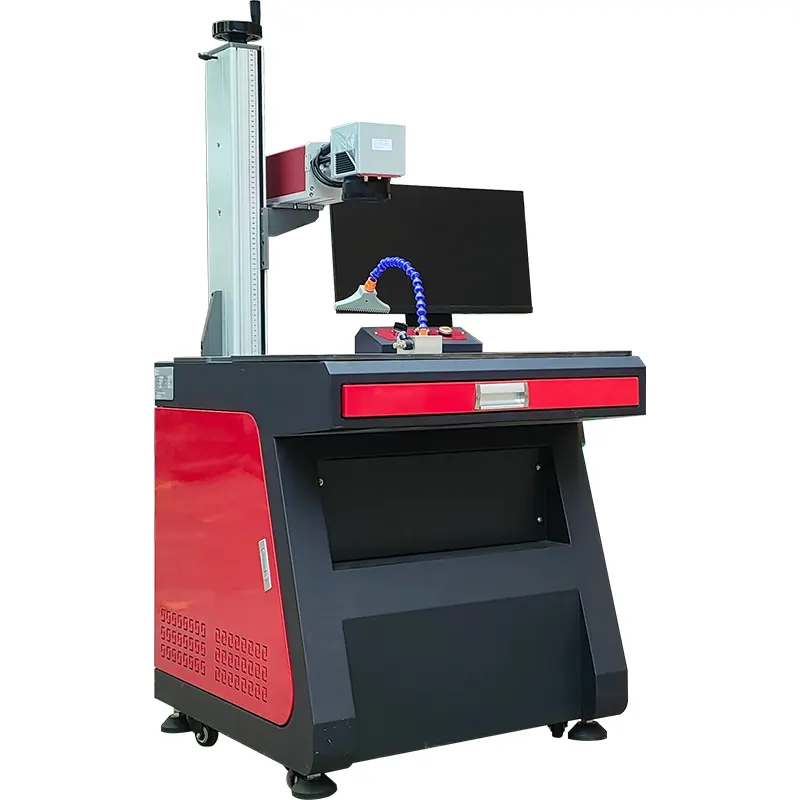
Zixu fiber laser marking machines use a 1064 nm Yb-doped source to make permanent marks on metals, alloys, coated surfaces, and select plastics — with no ink, no solvents, and no contact with the part. Power ranges from 20 W to 500 W, marking speed reaches up to 12,000 mm/s, and the galvo delivers ±0.002 mm repeatability with a minimum line width of 0.001 mm. The air-cooled source is rated for 100,000 hours and runs on a standard 220 V or 110 V supply at under 1 kW.
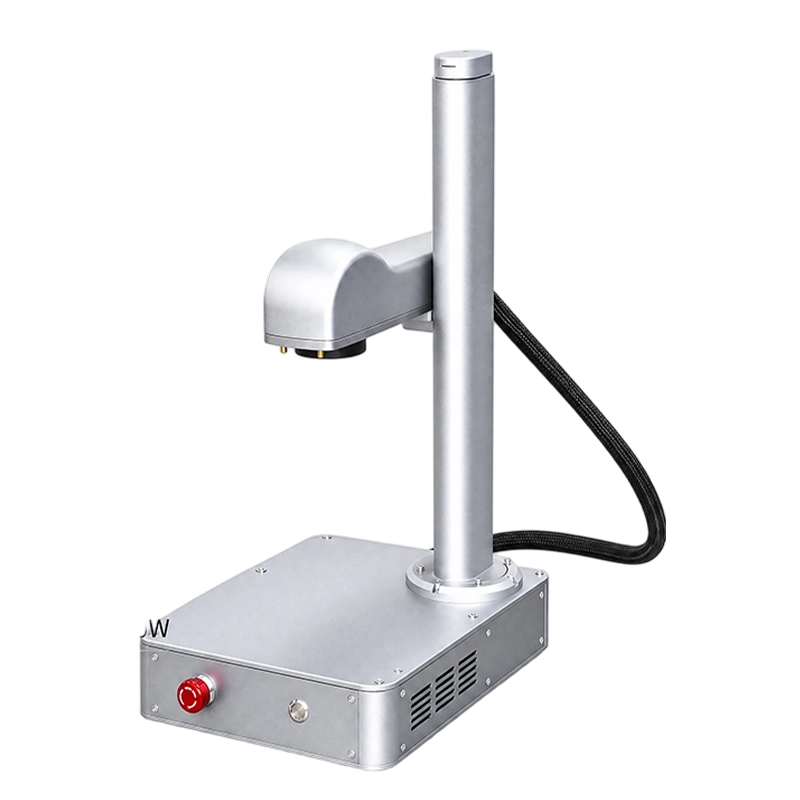
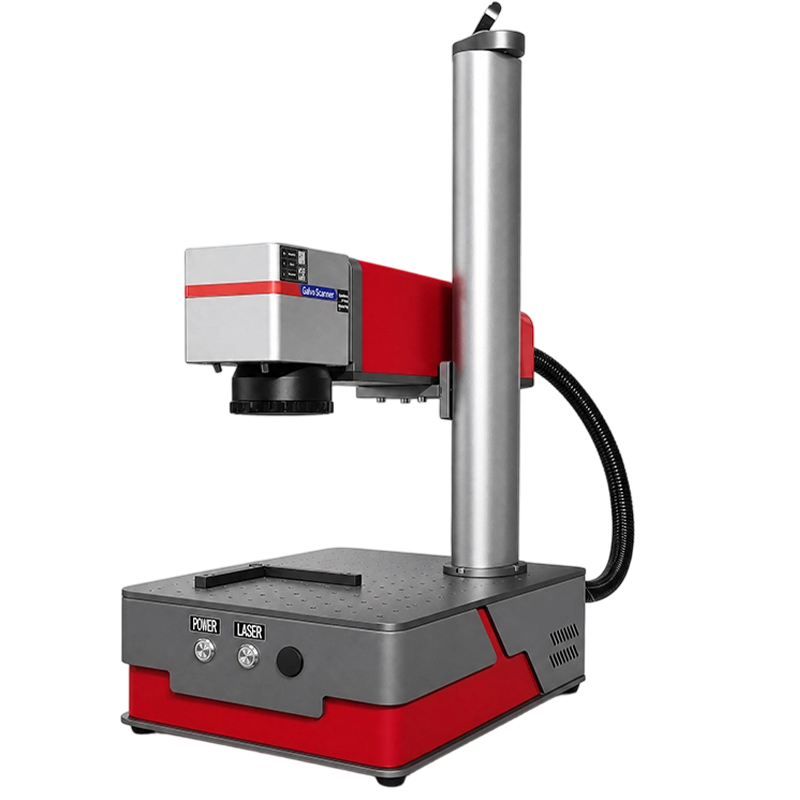
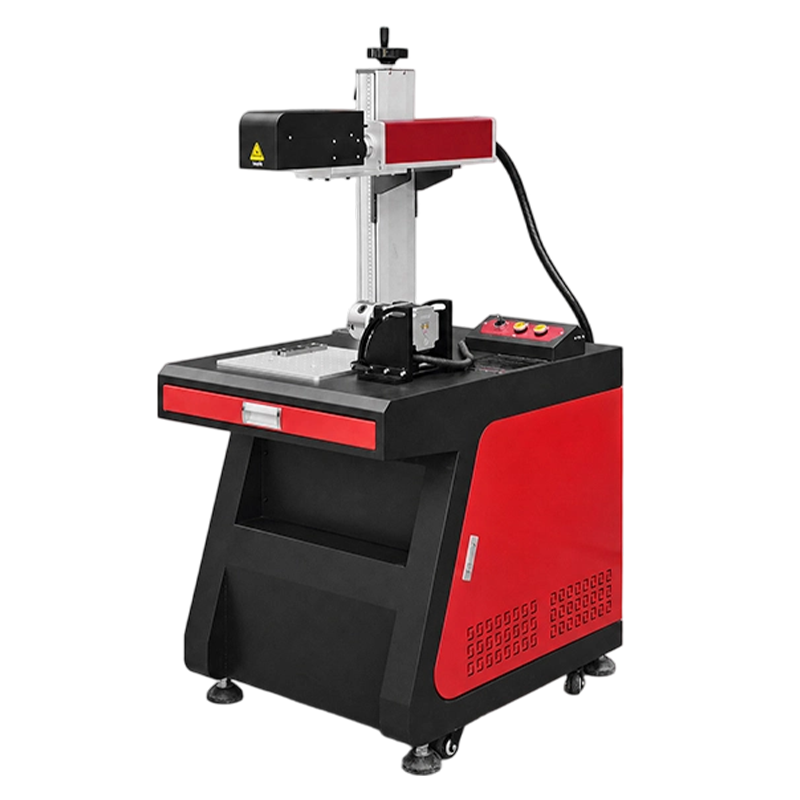
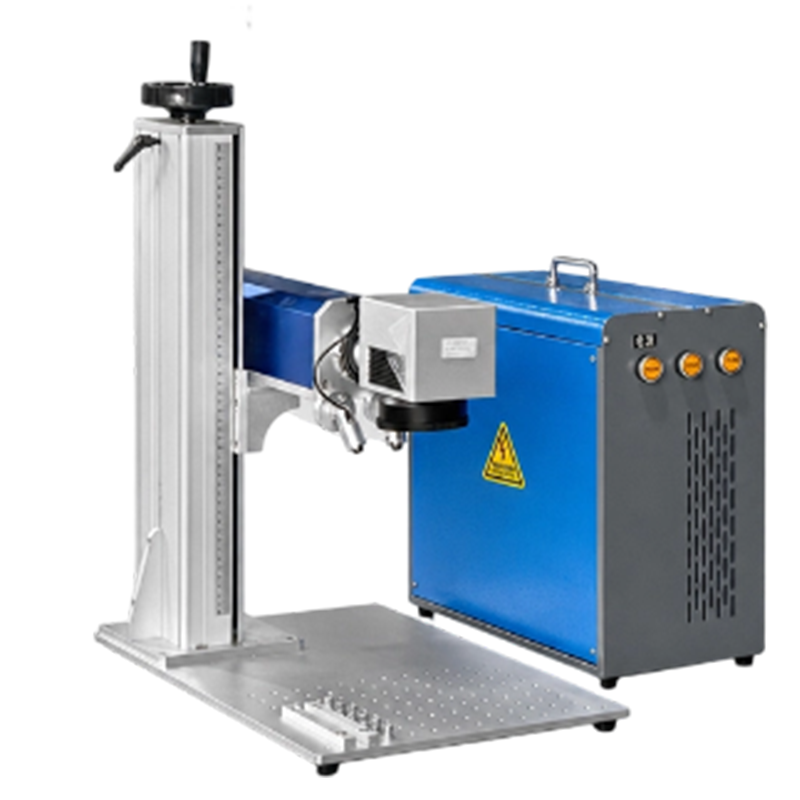
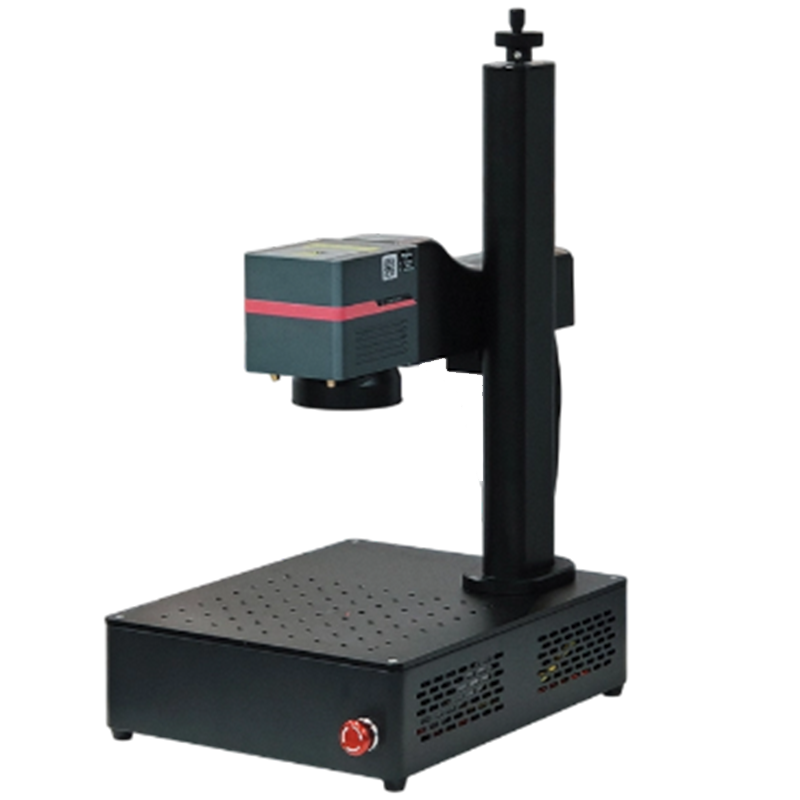
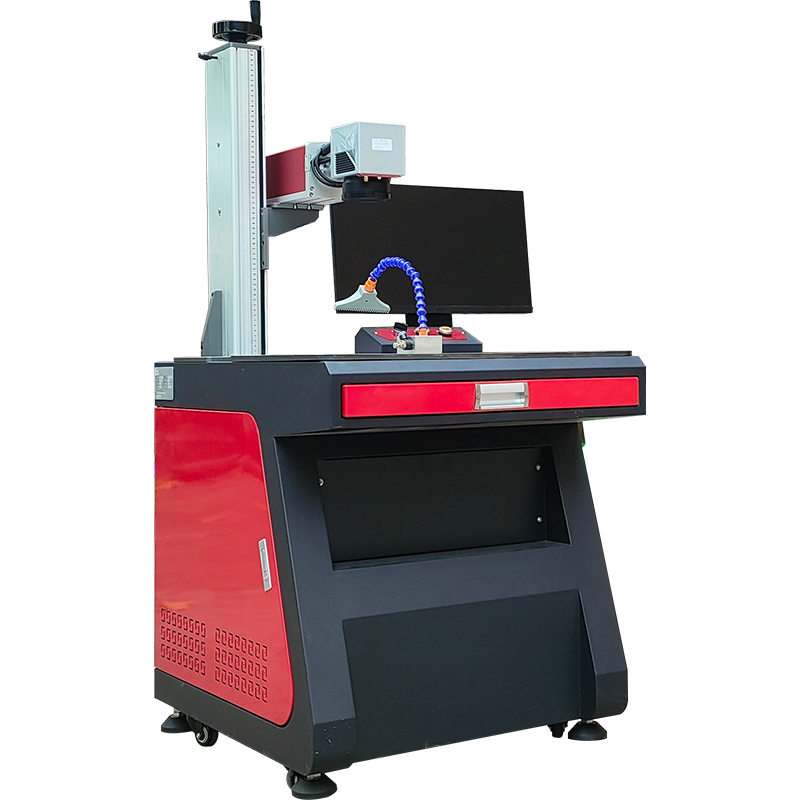
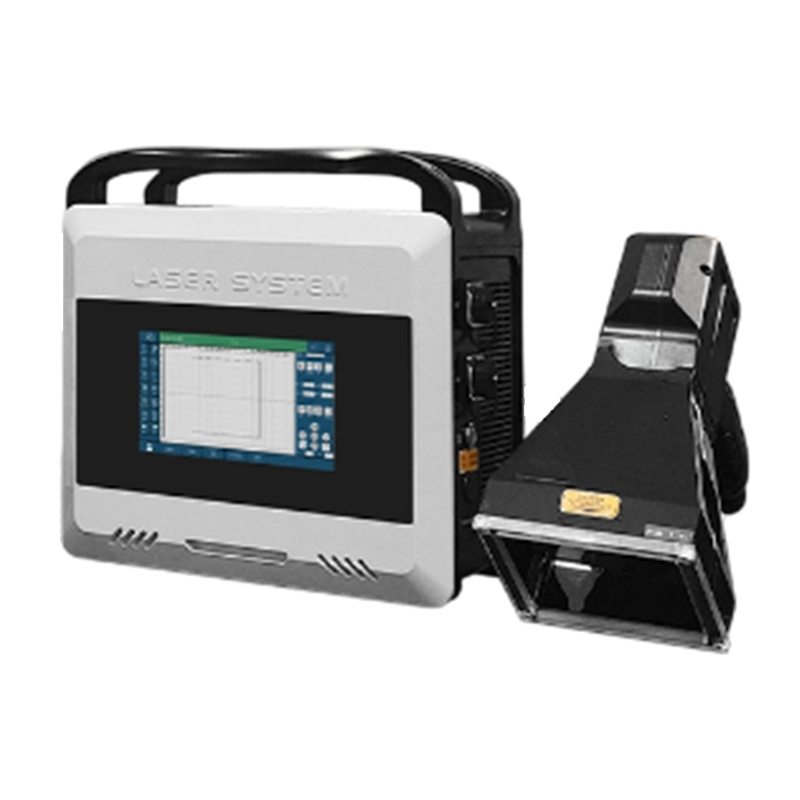
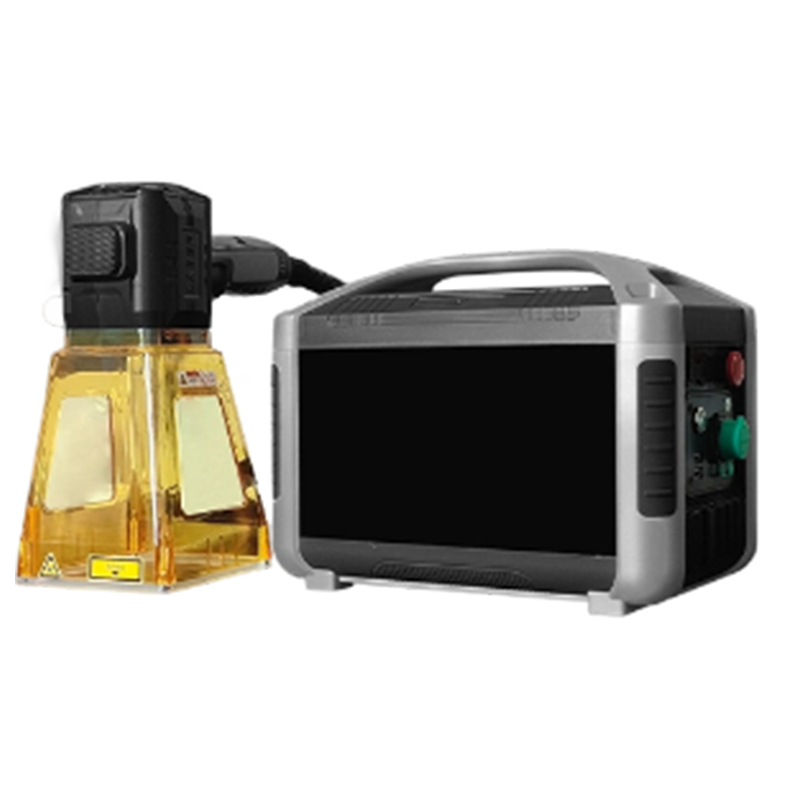
Choose from four configurations: a compact desktop unit for a shop counter, lab, or small production bay; a benchtop 3D dynamic-focus model for curved and stepped parts; a visual-positioning model with UV, fiber, or CO₂ source options for automated line production; or a portable handheld marker for large, heavy, or already-installed workpieces.
Fiber Laser Marking Machine Models
Why Choose Zixu Fiber Laser Markers
- All-in-one body – The laser source, galvo, and controller are built into one desktop unit measuring 320 × 490 × 650 mm. Plug it into 220 V or 110 V, open EZCAD, and start marking.
- Low running cost – Air-cooled and under 1 kW, with no ink, no solvents, no chiller, and no compressed air. The laser source is rated for 100,000 hours.
- Fine, fast marking – Marking speed up to 7000 mm/s, minimum line width 0.001 mm and repeatability of ±0.002. Marks graphics, characters, barcodes, and QR codes.
- Options for your job – Optional rotary axes, lift tables, positioning pointers, safety enclosures, fume extraction, foot switches and key switches.
Materials You Can Mark with a Fiber Laser
| Material | Result | Recommended source | Note |
| Stainless steel 304/316 | Very good | Fiber | Dark, high contrast — first choice for serial numbers and QR codes |
| Carbon/alloy steel | Good | Fiber | Deep marking possible; paint after marking |
| Anodized aluminum | Very good | Fiber | Marks by colour change on the oxide layer |
| Aluminum (bare) | Good | Fiber | White or dark depending on parameters |
| Copper/brass | Workable | Fiber (MOPA better) | Highly reflective — slow down, raise power, test first |
| Zinc/nickel plated parts | Workable | Fiber | Marking breaks the coating; check corrosion requirements |
| Titanium and alloys | Good | Fiber | Medical implants, jewelry |
| Hard metals/tungsten | Good | Fiber | Laser is not affected by workpiece hardness |
| Gold/silver/platinum | Good | Fiber | No material loss — ideal for jewelry |
| Painted/coated surfaces | Workable | Fiber | Removes paint to reveal the substrate |
| ABS / PC / PA | Workable | Fiber | Depends on colour and grade; fume extraction needed |
| PVC / POM / PEEK | Workable | Fiber | Engineering plastics marking |
| Carbon fiber composites | Workable | Fiber | Coating removal marking |
| Ceramics (industrial) | Workable | Fiber | Electronic ceramics (Al₂O₃/AlN) |
| Leather / PU | Good | Fiber | Personalization and engraving |
| Clear glass/acrylic | Not suitable | UV or CO₂ | 1064 nm does not act; needs coating or different wavelength |
| Mirror aluminum / pure copper | Limited | UV (better) | High reflection loss; slower speed, more power |
| PCB / silicon wafer | Not suitable | UV | Use UV laser for electronics |