
Laser Cleaning vs Sandblasting for Rust and Paint Removal
Industrial process comparison
Industrial buyers comparing laser cleaning and sandblasting are usually not arguing about trendier technology. They are deciding how to remove rust or paint without creating a new quality, safety or operating-cost problem downstream. The right answer depends on the contaminant, the base material, the surface-profile target, the rework risk and the plant conditions around the cleaning station.
This comparison is written for B2B evaluation. It covers suitable materials, heat impact, surface profile, throughput, maintenance, cost inputs and the selection logic buyers should use before asking a supplier for a final recommendation. It does not invent universal removal speeds, abrasive consumption numbers or one-size-fits-all machine settings, because those claims only make sense after sample testing on the real part.
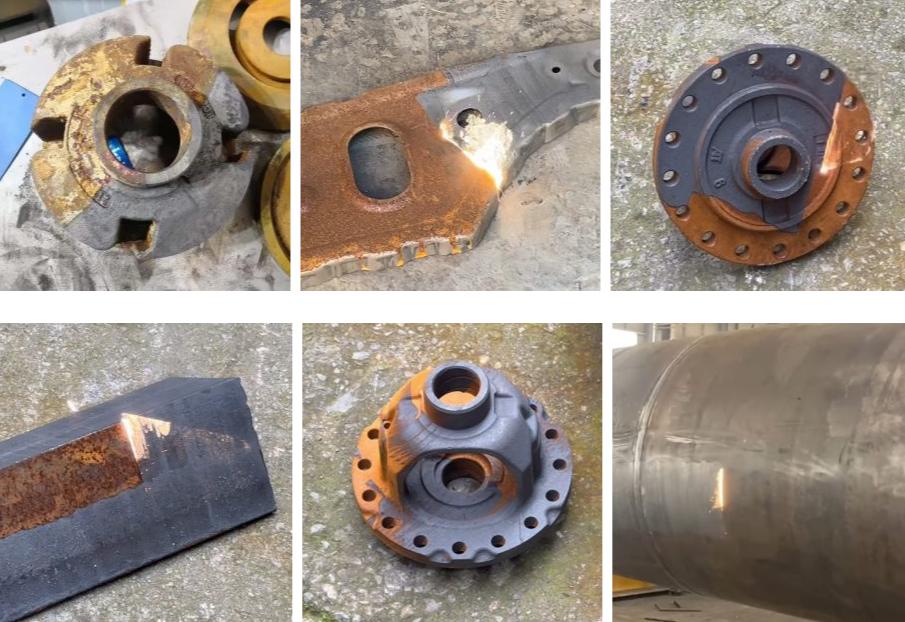
Quick Selection Answer
- Choose laser cleaning first when the job values lower heat input, selective removal, reduced abrasive handling, less masking, or better protection of nearby edges, labels, seals and high-value surfaces.
- Keep sandblasting on the table when the part truly needs an abrasive anchor profile, the plant already runs dust and media recovery safely, and the surface is robust enough that a broader mechanical process is acceptable.
- Do not choose by headline power, removal claims or habit alone. The real decision comes from how the process affects substrate quality, rework, operator exposure, cleanup burden and the next manufacturing step.
Selection Table for Rust and Paint Removal
| Decision area | Laser cleaning | Sandblasting | What to confirm before approval |
|---|---|---|---|
| Applicable materials | Usually stronger for metals, coated parts, molds, weld-prep areas, edges and assemblies where selective control matters. | Usually stronger for robust parts that can tolerate a broad abrasive process and where a rougher post-cleaned surface is acceptable or desired. | Check the real substrate, geometry and nearby protected zones, not only a flat sample coupon. |
| Heat input and substrate response | Non-contact cleaning reduces mechanical impact and can better protect the base metal when the recipe is controlled. | No thermal beam, but the abrasive process can still change surface roughness, edge sharpness and fine-feature condition. | Inspect color change, micro-damage risk, roughness change, edge condition and the next process requirement. |
| Surface profile and removal depth | Usually preserves more of the original surface and is better when the buyer wants cleaning without a strong anchor profile. | Usually leaves a clearer mechanical profile, which may help some coating systems but can be a problem for finished surfaces or delicate features. | Define whether the target is only contamination removal or a new mechanical profile for coating or bonding. |
| Throughput and takt | Can reduce setup and secondary cleanup on high-value or selective jobs, even if laser-on time is not the shortest number on paper. | Can still look fast on broad-area heavy removal jobs, but the full takt depends on masking, media handling, cleanup and inspection. | Time the full process including setup, shielding, extraction, media recovery, cleanup and rework checks. |
| Maintenance and housekeeping | Focuses more on optics cleanliness, extraction discipline, recipe stability and protecting the laser path. | Focuses more on media supply, nozzle wear, dust control, recovery systems and ongoing abrasive containment. | Compare what the plant already supports well and what would become a new maintenance burden. |
| Cost inputs | Should be evaluated with machine cost, utilities, extraction, training, downtime, rework avoidance and reduced media cleanup together. | Should be evaluated with abrasive consumption, containment, labor, masking, cleanup and downstream surface correction together. | Do not reduce the cost comparison to equipment price alone. |
Where Laser Cleaning Is Usually Stronger
Laser cleaning usually becomes the better B2B decision when the cleaning target is rust, paint, oxide or residue on a part that must keep its base surface more controlled after cleaning. That includes jobs where the buyer wants to reduce secondary media handling, avoid broad abrasive contact, or clean near weld edges, labels, seals, machined faces or inspection-critical areas.
It is also stronger when the plant wants a cleaner process story for sample work, selective paint stripping, mold cleaning, localized weld preparation or part families where different contamination zones need different stopping points. In those cases, the value is not only contamination removal; it is the ability to stop closer to the required boundary.
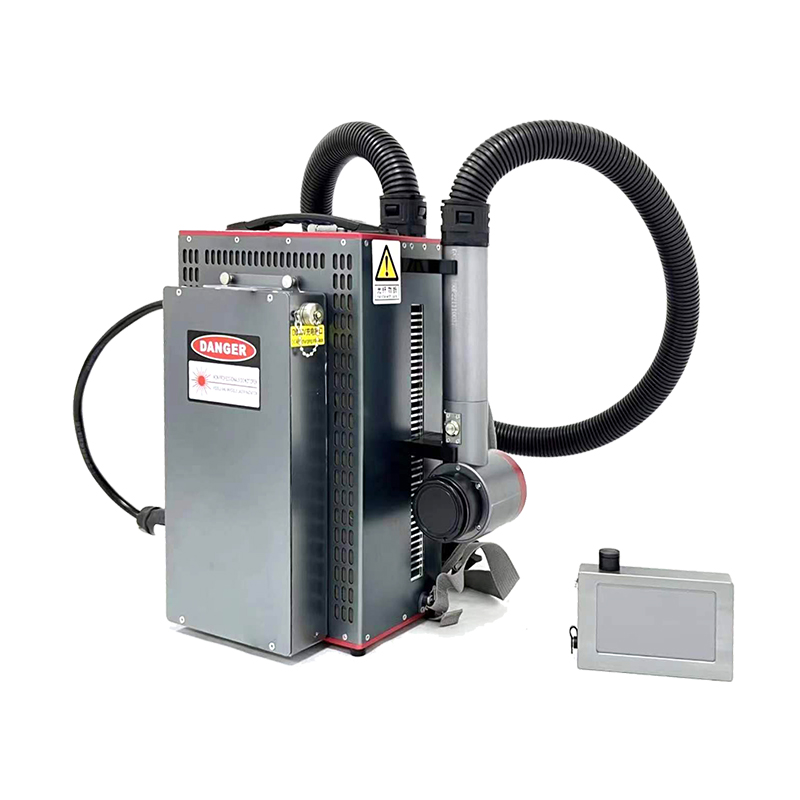
- Better fit for selective rust removal, controlled paint stripping and higher-value finished parts.
- Better fit when the plant wants less abrasive residue around the station or downstream process.
- Better fit when operators must protect nearby surfaces while still removing contamination from the target zone.
For buyers comparing internal laser routes as well, the existing pulsed versus continuous article and the selective paint removal case are useful internal references before finalizing the process family.
Where Sandblasting Still Has a Fit
Sandblasting still has a legitimate place when the cleaning target is a robust part, the surface can accept abrasive action, and the plant already operates the related media recovery and dust-control workflow safely. It can also make sense when the downstream process explicitly wants a stronger anchor profile rather than a cleaner but less mechanically roughened surface.
The important caveat is that broad removal does not automatically mean lower total cost. If masking, cleanup, abrasive recovery, booth management or finish correction consume too much labor, the apparent process speed can lose its advantage. Buyers should be careful not to compare only the moment of visible removal while ignoring the work before and after it.
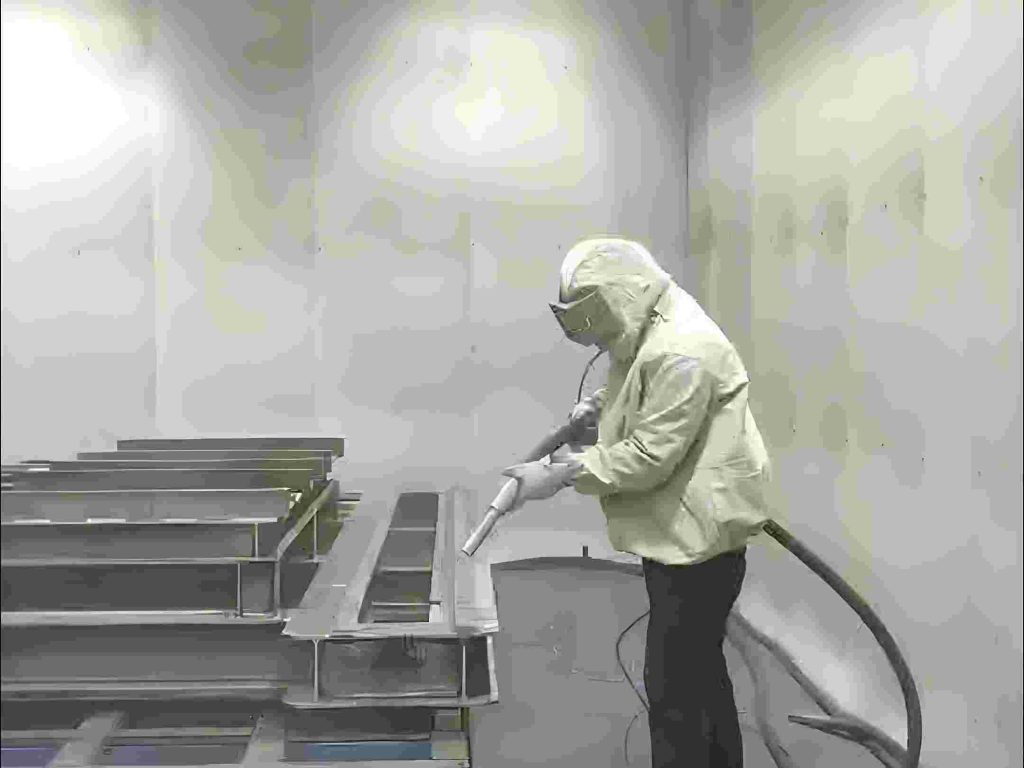
- Often practical for durable heavy-duty parts where a mechanical profile is acceptable.
- Often practical when the plant already owns the containment, PPE and abrasive-handling discipline.
- Less attractive when the part has precision edges, finished cosmetic zones or nearby features that should not be broadly affected.
Surface Profile, Heat Impact and Quality Risk
Most buyers should compare laser cleaning and sandblasting through the downstream quality gate, not just the cleaning gate. Rust or paint can disappear in both processes, yet the cleaned part can still fail the next step if the surface profile is wrong, the finish changes too much, the substrate overheats, or adjacent areas pick up avoidable damage.
Ask these practical questions before choosing:
- Does the part need to stay visually stable after cleaning, or is a rougher anchor profile actually wanted?
- Will the cleaned surface be repainted, bonded, welded, sealed or inspected for cosmetic quality?
- Can the operator stop precisely at the removal boundary, or does the process tend to drift into over-cleaning or unnecessary broad treatment?
- How much rework cost appears when the first pass is wrong?
Throughput, Maintenance and Cost Inputs
Industrial cost comparisons should always include the full station model. Laser cleaning and sandblasting change different cost buckets, so the winner depends on what currently hurts the plant most: labor hours, media handling, rework, housekeeping, finish correction, tooling, dust control or changeover time.
| Operating question | What to compare fairly |
|---|---|
| Cycle time | Compare the full job from part setup to final inspection, not only visible cleaning speed. |
| Maintenance | Compare optics and extraction discipline on the laser side with abrasive supply, booth cleanup, nozzle wear and recovery-system effort on the blasting side. |
| Consumables and utilities | Include abrasives, electricity, compressed air, extraction filters, replacement parts and the real changeover burden. |
| Quality-adjusted cost | Include scrap, touch-up, masking, post-clean correction and downtime caused by process instability. |
That broader cost view is why some buyers shift from blasting to laser cleaning even when they are not chasing the newest technology. They are reducing secondary handling, cleanup or rework. Other buyers keep blasting because the substrate, coating system and plant setup still make it practical. The honest answer has to come from the real job economics, not from a generic claim.
How to Run a Fair Sample Comparison
- Use the real part material or a representative reject, with the same rust or paint condition that production sees.
- Write the acceptance target before the test: cleanliness level, visual finish, coating adhesion, weld readiness, or allowed profile change.
- Compare laser cleaning and sandblasting against the same inspection standard and the same downstream requirement.
- Record setup labor, masking, extraction or booth preparation, repeat passes, cleanup and the final inspection outcome.
- Keep the decision tied to the total process result, not only to the fastest visible removal moment.
When the job is already leaning toward laser cleaning, the next step is usually a sample part review through the CNMarking laser cleaning machine category and a practical discussion through the contact page. That makes it possible to recommend a cleaning route based on the real substrate, contaminant and production target instead of a copied settings list.
CTA: Choose the Process Around the Real Part
If your team is comparing rust removal or paint stripping options, send CNMarking the part photos, material, contamination type, downstream process and expected takt through contact-us. Use that together with the laser cleaning machine category and the existing pulsed vs continuous comparison to narrow the right cleaning route.
The safest decision is the one that matches the real part, the surface target and the full operating model-not the one with the loudest generic claim.
Frequently Asked Questions
When does laser cleaning usually beat sandblasting?
Laser cleaning usually wins when the buyer needs lower heat impact, less secondary media handling, selective removal, reduced masking work, or better protection of a high-value substrate and nearby features.
When does sandblasting still make sense?
Sandblasting can still be practical when a plant already manages abrasive recovery and dust control, the part needs a clear anchor profile, and the job is a robust broad-surface cleaning task rather than a selective low-impact process.
Can I choose only by removal speed or machine headline power?
No. The decision should include substrate response, surface-profile target, cleanup burden, rework risk, operator safety controls, maintenance burden and the full process cost around the cleaning station.
What sample evidence should a buyer ask for before ordering?
Ask for side-by-side tests on the real material and contaminant with the required cleanliness target, downstream coating or welding check, visible substrate inspection, and a record of the setup, inspection and cycle assumptions used during the trial.