
Laser Cleaning vs Dry Ice Blasting: Surface Results and Operating Inputs
Industrial cleaning comparison
Laser Cleaning vs Dry Ice Blasting: Surface Results and Operating Inputs
Laser cleaning and dry ice blasting are both used to remove contamination, coatings and oxidation from industrial surfaces, but they do not create the same process window. Buyers comparing them should not reduce the decision to a simple equipment trend. The real question is which route gives the right surface result, acceptable heat or impact risk, manageable cleanup workflow and a cost structure that matches the actual production cell.
This B2B guide compares the two routes using practical industrial criteria: applicable materials, surface sensitivity, heat or impact boundaries, cleaning selectivity, throughput rhythm, maintenance burden, downtime triggers, safety discipline and cost inputs. It avoids invented power, speed or coverage numbers because those values depend on the real contamination load, access path, operator method and acceptance rule for the cleaned part.
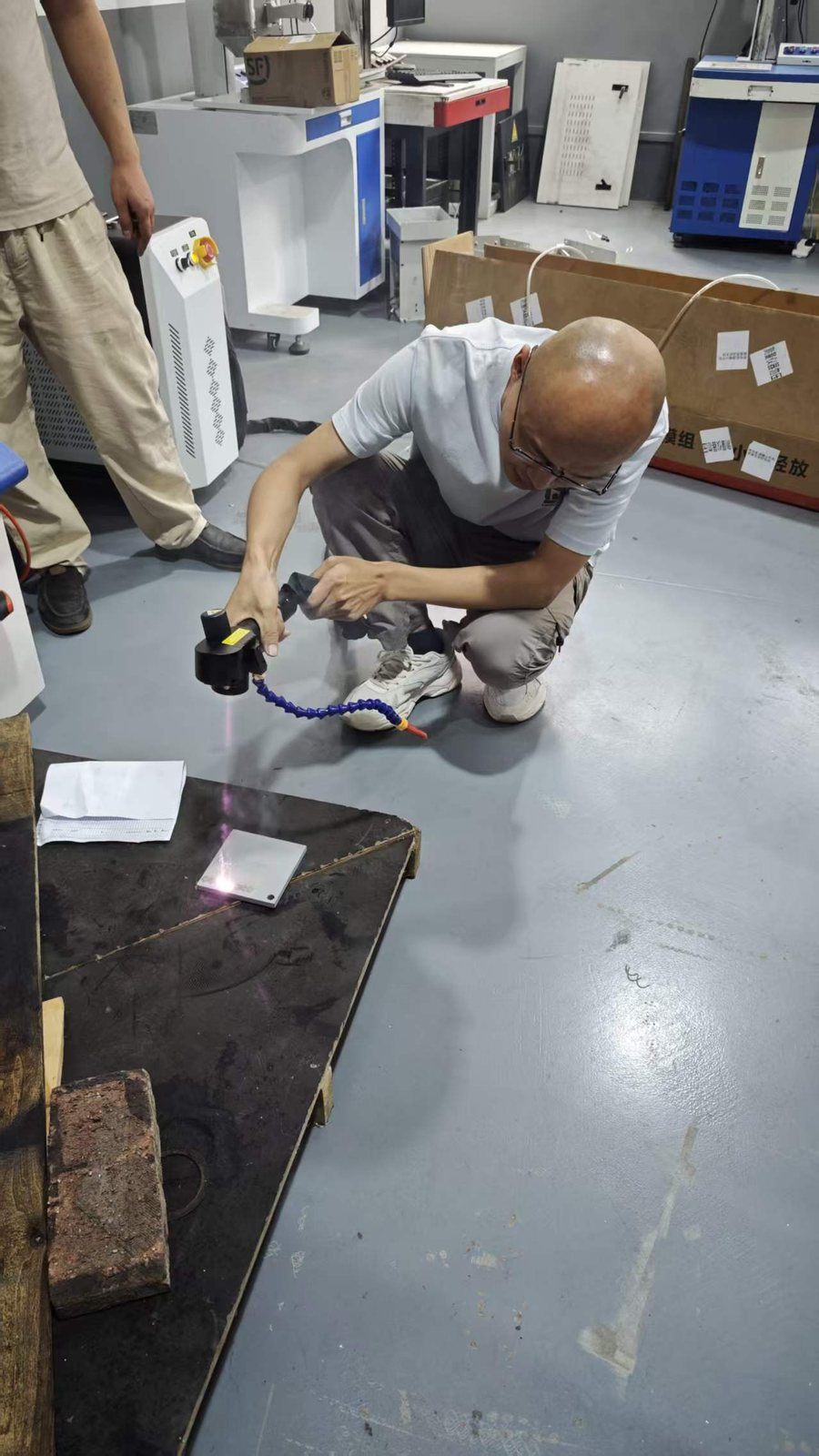
- Which substrates and contamination types are the best fit for each method?
- How do heat input, mechanical impact and edge control change the risk profile?
- What operating inputs should the buyer collect before sample testing either route?
- How should throughput, housekeeping and maintenance be compared honestly?
- Which cost inputs matter more than a headline equipment price?
- What safety and shutdown rules should be agreed before production starts?
1. Prepare The Real Job Inputs Before Comparing Methods
The first mistake in this comparison is testing two methods on an oversimplified sample. Industrial buyers should define the substrate, the contamination or coating type, the area that must be cleaned, edge restrictions, downstream quality rule and the expected daily workload before asking whether laser cleaning or dry ice blasting is better. Without those inputs, a comparison can easily favor the method that looks fast on a flat demo panel but fails on selective edges, enclosed access or sensitive finished surfaces.
- List the real substrate family: carbon steel, stainless steel, aluminum, cast surfaces, painted sheet, plated parts, tooling, molds or mixed assemblies.
- Describe the contamination precisely: rust, oil, paint, oxide, carbonized residue, release agent, adhesive trace or overspray.
- Show where cleaning must stop and where it may not touch adjacent finished or functional areas.
- Define the output rule: visual cleanliness, downstream coating adhesion, weld prep, inspection contrast, cosmetic preservation or residue-free handoff.
- Record the production style: repair work, sample lab, batch processing, inline support cell or maintenance shutdown activity.
- Note the utility and housekeeping limits, including compressed air handling, residue collection, ventilation and operator access.
These inputs matter because laser cleaning is often selected for controlled, selective treatment, while dry ice blasting can be attractive for broader-area cleaning when the substrate and environment allow it. The buyer should therefore compare the real work cell and part family, not only a supplier's preferred demonstration.
2. Compare Surface Results, Materials And Operating Inputs Side By Side
| Comparison point | Laser cleaning | Dry ice blasting | Why buyers should care |
|---|---|---|---|
| Applicable materials and geometry | Strong fit when the buyer needs selective treatment on metal parts, tools, molds or localized contamination zones with tight boundaries. | Often considered for broader accessible surfaces where the process can tolerate a less selective blast path and the setup can manage pellet delivery and debris flow. | The best route depends on whether the cleaned area is broad and open or narrow and boundary-sensitive. |
| Heat or impact boundary | Needs sample testing on heat-sensitive finishes, thin sections and cosmetic surfaces, but offers precise energy placement when the process window is controlled. | Adds mechanical blasting action and can be unsuitable where impact, rebounding media path or nearby sensitive features create risk. | Buyers must compare both thermal sensitivity and blast sensitivity, not assume only one method carries surface risk. |
| Selectivity and edge control | Usually stronger when the task requires cleaning one zone without disturbing adjacent finish, code area, gasket face or coated boundary. | Can be harder to confine tightly when the part has narrow boundaries, hidden corners or nearby finished zones that must stay untouched. | Selective jobs favor methods that can hold a controlled cleaning window consistently. |
| Throughput rhythm | Throughput depends on contamination load, access path, beam coverage strategy, operator method and required finish quality. | Throughput depends on pellet delivery, blasting area, setup access, cleanup burden and how much masking or post-clean handling is needed. | Headline speed claims are weak unless the same surface condition, area and finish rule are used in the comparison. |
| Maintenance burden | Requires optics care, consumable checks, fume or debris management, lens protection and disciplined sample-based parameter control. | Requires pellet supply coordination, blasting component wear checks, debris control, surface cleanup review and operator housekeeping discipline. | A method that looks simpler on day one can become more expensive if maintenance and cleanup are poorly matched to the job. |
| Cost inputs | Compare machine route, optics protection, power use, ventilation, downtime avoidance, operator training and rework reduction. | Compare blasting media supply, compressed-air or utility demand, cleanup time, masking effort, wear parts, access setup and rework risk. | The best commercial choice comes from the whole operating system, not only the purchase price. |
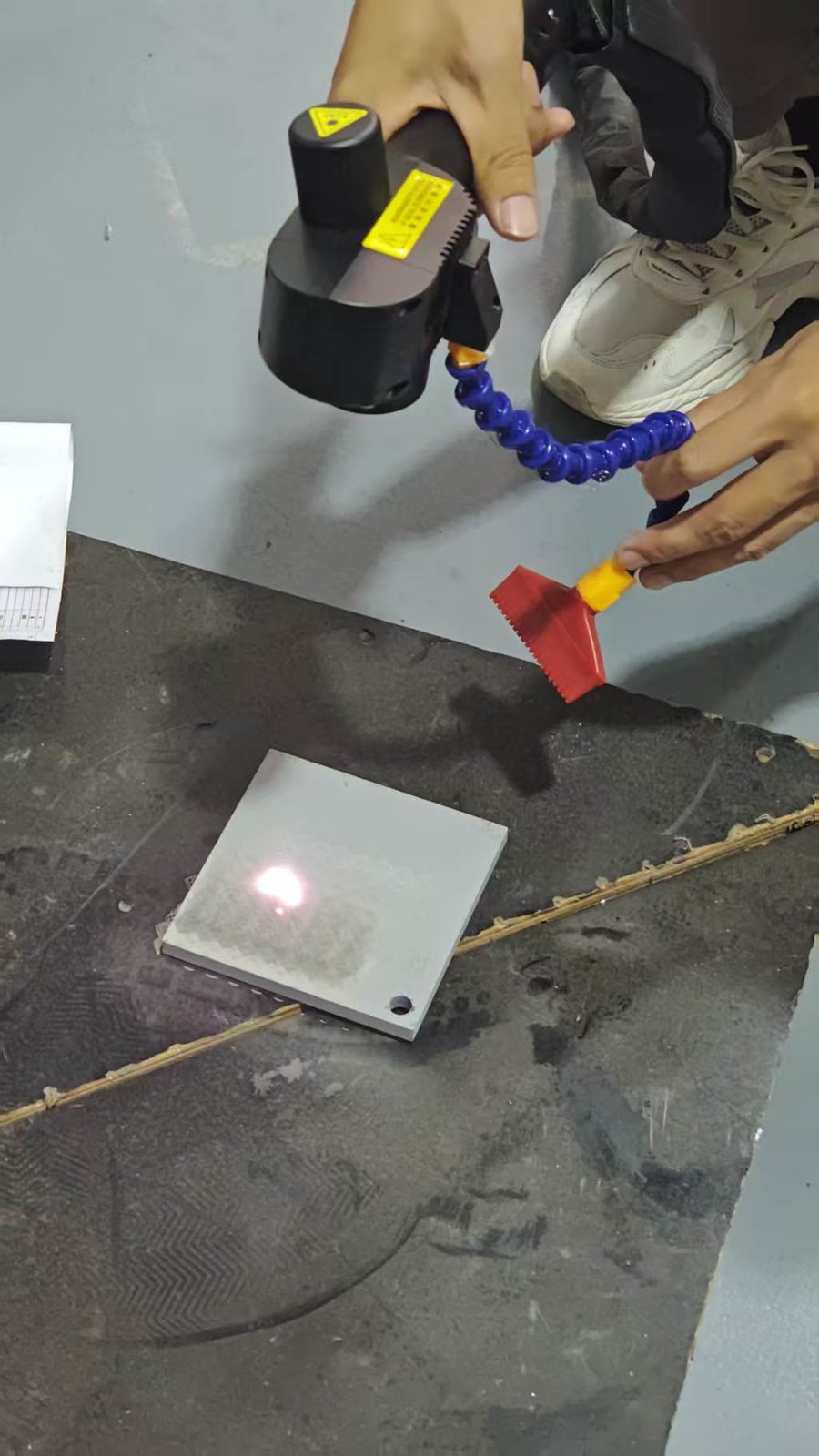
3. Confirm Process Boundaries Before Sample Approval
Industrial comparisons should move from a buying question to a boundary question: what changes force the team to retest? That is especially important when the substrate mix or contamination level is not stable. Buyers should ask for those boundaries before approving either method for production.
| Boundary to confirm | What the team should review | Reason for the boundary |
|---|---|---|
| Surface sensitivity | Whether the part has cosmetic finish, thin walls, sealing faces, plated zones or adjacent surfaces that must remain unchanged. | This determines how much heat, impact or stray treatment can be tolerated around the cleaning zone. |
| Residue and contamination thickness | Whether the job is light oxidation, localized paint removal, heavy rust, bonded residue or variable multi-layer contamination. | Contamination type strongly changes the real operating rhythm, cleanup behavior and approval criteria. |
| Access and part handling | Whether the job is handheld, fixture-based, inside a booth, on a large assembly, overhead, or near components that limit blast or beam travel. | Access often decides whether one method becomes impractical even if the sample surface looked acceptable. |
| Quality rule | Whether the customer needs visible cleanliness, coating adhesion, weld preparation, scanner contrast or a residue threshold that can be checked repeatedly. | The right method is the one that can hit the quality rule without unstable operator compensation. |
| Cleanup and shutdown tolerance | How much housekeeping, media handling, debris collection and service downtime the plant can realistically absorb. | A route with poor cleanup fit may create hidden costs even when the cleaning result is technically acceptable. |
4. Operating Steps, Quality Checks And Shutdown Discipline
The comparison should be proven through an operator path, not only a static result photo. Buyers should ask how each route will be prepared, checked and shut down in real production so that quality, safety and housekeeping stay visible.
Preparation
- Confirm the exact part family, contamination state and protected no-touch zones before the sample or batch starts.
- Review the operator path, access angle and whether nearby fixtures, seals, labels or finished surfaces need shielding or extra care.
- Check the residue-handling plan, housekeeping tools and what evidence will prove the surface is truly ready for the downstream process.
During the run
- Run a representative first sample on the actual surface condition instead of an idealized demo coupon.
- Compare the cleaned zone against the edge limit, finish tolerance and downstream quality expectation.
- Watch for heat tint, unexpected surface change, rebounded residue, inconsistent operator rhythm or cleanup that falls behind the process.
- If the contamination load or access path changes, pause and re-evaluate instead of pushing the same recipe or blasting routine blindly.
Quality check
- Verify the treated surface against the approved sample, especially at edges, corners, fastener pockets, weld-prep lines or cosmetic boundaries.
- Confirm there is no unacceptable residue left behind for coating, bonding, marking or inspection.
- Log any recurring operator compensation because that often signals the process window is weaker than the sample result suggests.
Shutdown and service trigger
- Remove loose residue and leave the station in a condition where the next shift can see drift immediately.
- Record utility issues, cleanup overload, visibility loss or quality drift before the exact cause is forgotten.
- Stop production if the method no longer meets the approved surface rule without excessive rework or unsafe improvisation.

5. Compare Cost Inputs And Downtime Honestly
Procurement discussions should compare total operating inputs, not only the acquisition story. For laser cleaning, buyers should review the cleaning task, optics protection, ventilation or debris handling, operator skill and how often the process avoids downstream rework. For dry ice blasting, buyers should review media supply, utility demand, cleanup labor, masking effort, access setup and the cost of treating more area than necessary.
- Count rework risk: the cheaper route on paper can become expensive if it overcleans, undercleans or creates extra finishing steps.
- Count downtime: approval should include service intervals, cleanup rhythm and how quickly the team can restart after a production stop.
- Count labor fit: operator training, setup difficulty and repeatability matter more than a vendor demo when the job becomes routine.
- Count scope control: selective treatment often reduces unnecessary downstream touch-up when the part has mixed surfaces or protected zones.
Buyers who want a practical laser cost frame can also review the existing laser cleaning machine price guide, but that price discussion should always be tied back to the actual surface-preparation task instead of used as a standalone selection rule.
6. Safety, Sample Approval And Final Selection
Neither route should move into production without a clear safety and approval boundary. The supplier and buyer should agree on what evidence proves the job is acceptable, what change forces resampling, and what shutdown trigger stops production before a quality or housekeeping issue spreads.
- Use sample approval to define the real acceptable surface result, not only the equipment preference.
- Re-test when substrate finish, contamination type, cleaning boundary or downstream quality rule changes materially.
- Choose the route that the plant can operate safely and repeatedly, not just the route that looks dramatic in a short demonstration.
- Ask the supplier to explain when laser cleaning is the stronger selective route and when a broader blasting approach remains commercially reasonable.
CTA: Send The Real Surface Condition Before Choosing The Route
If you are comparing laser cleaning and dry ice blasting, send the actual substrate photos, contamination details, target cleaned area, downstream requirement and production rhythm. That lets CNMarking recommend the right cleaning route, sample plan and machine family without guessing from generic industry claims.
Compare Pulsed vs Continuous Cleaning
See Cleaning Maintenance Checklist
Ask For A Surface-Specific Recommendation
Frequently Asked Questions
Is laser cleaning always better than dry ice blasting for every industrial surface job?
No. The better route depends on substrate sensitivity, contamination type, access, residue handling, utilities, cleanup workflow and whether the buyer values selective treatment more than broad-area stripping speed.
Can buyers ask for one universal throughput number when comparing laser cleaning and dry ice blasting?
No. Throughput changes with coating thickness, surface geometry, cleanliness target, operator path, masking needs and rework tolerance. Buyers should compare the real work cell, not a generic speed claim.
When should the team stop and resample instead of forcing the process through production?
Stop when the cleaned surface no longer matches the approved sample, heat-sensitive parts start changing appearance, debris handling falls behind, residue remains in critical zones or operator visibility and consistency drop below the agreed quality rule.
What should a buyer send before asking CNMarking to recommend a cleaning route?
Send substrate photos, contamination description, coverage area, sensitivity concerns, access restrictions, quality expectations, shift pattern, maintenance limits and any downstream coating, bonding or inspection rule tied to the cleaned surface.