
Custom Diamond Dot Peen Marking System for Ultra-Hard Oil Drill Pipe Components
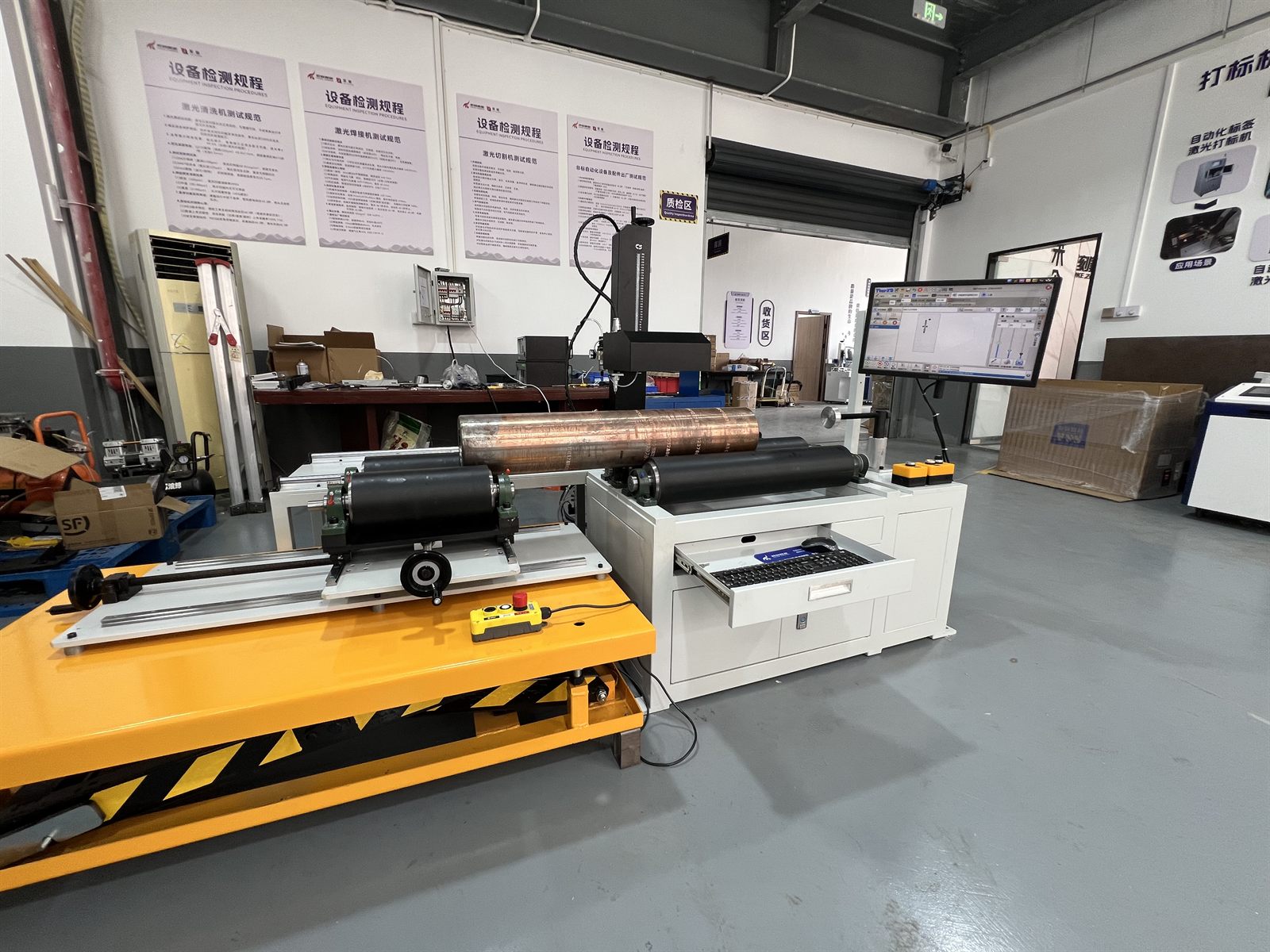
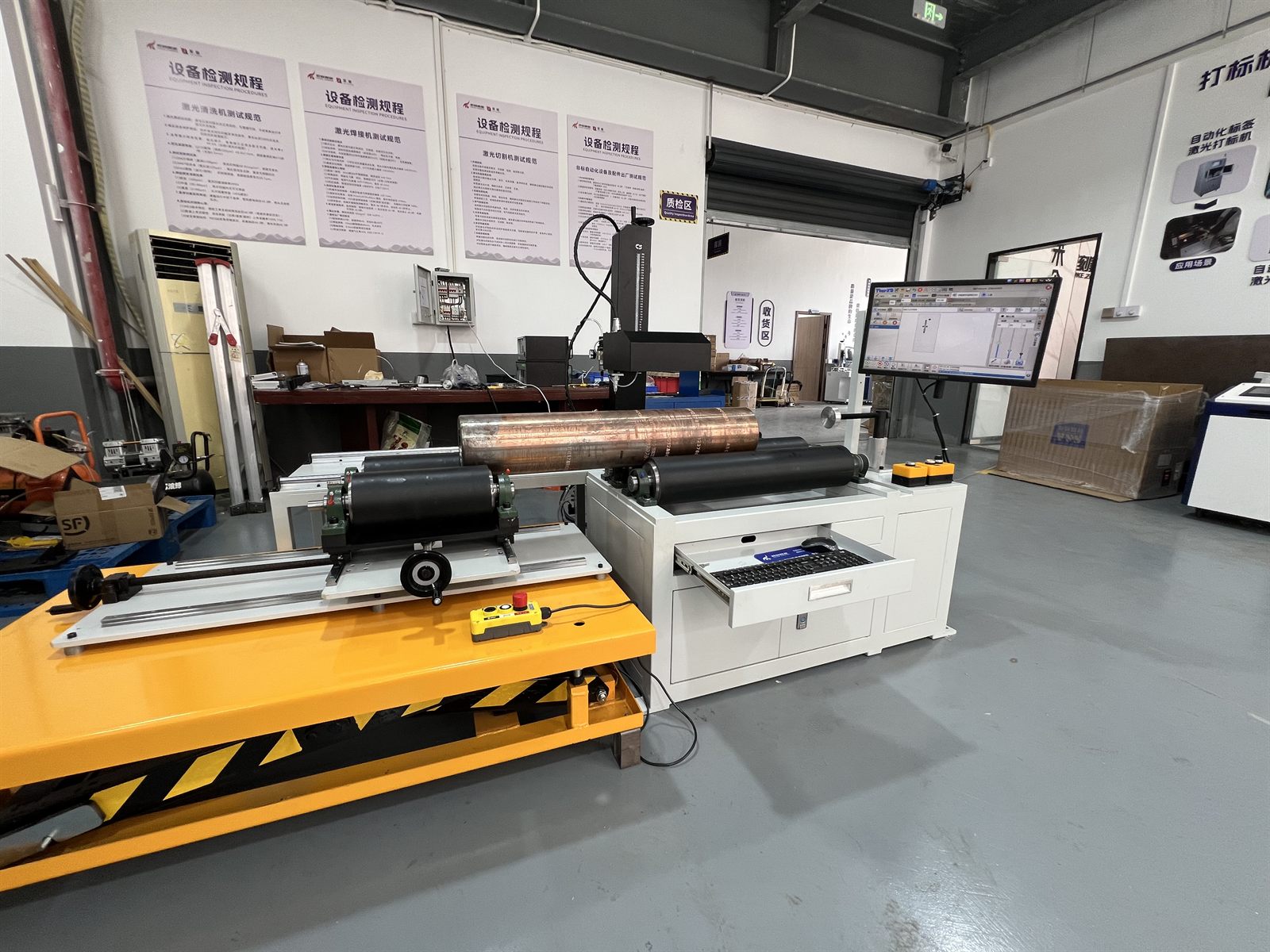
CNMarking, the overseas brand of Chongqing Zixu Machine Works, completed a custom marking project for oil drilling components that are far more difficult to identify than ordinary steel parts. The target workpieces included drill pipe assemblies and related cylindrical components made from high-strength alloy material. According to the customer brief, some surfaces reached approximately HRC70 to HRC72, which made conventional permanent marking methods unstable, expensive to maintain, or too risky for the part condition.
Why Ultra-Hard Oil Drill Components Are Difficult to Mark
Oil and gas components work in an environment that combines high load, vibration, abrasion, and corrosion. For that reason, many drill string parts, wear surfaces, and connection areas are manufactured from ultra-hard alloys or heavily hardened steel. Permanent identification still has to stay readable after transport, handling, field use, repair cycles, and repeated inspection.
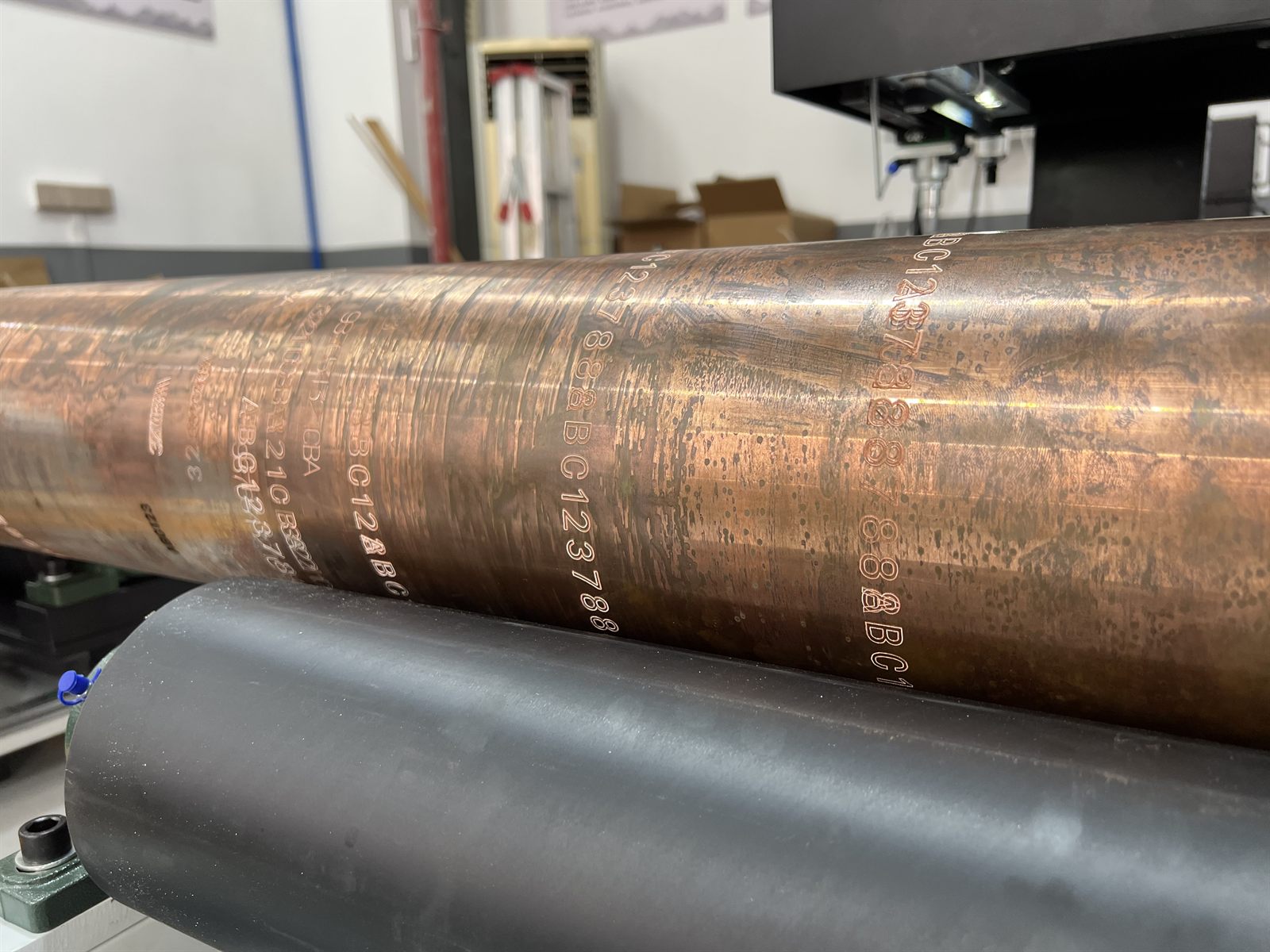
On common materials, a standard marking pin can create a readable dot pattern without much difficulty. On ultra-hard parts, the situation changes quickly. A normal pin wears fast, the indentation depth becomes inconsistent, and the mark quality drops after a short production run. If the mark is too shallow, traceability is lost. If the method adds too much heat or creates too much surface stress, the customer may worry about the long-term condition of a safety-critical part.
Why a Standard Marking Setup Was Not Enough
This case was not only about hardness. The workpieces were also large, heavy, and cylindrical. The marking area had to stay aligned with the pin even when the part diameter or taper changed, the workpiece needed stable roller support over a long span, and the system had to reach different positions along the part length without forcing the customer to buy multiple machines.
For an oil drilling supplier, these practical loading and positioning details matter as much as the marking technology itself. A machine that can mark the material but cannot handle the workpiece geometry will still slow down the workshop.
The Customized CNMarking Solution
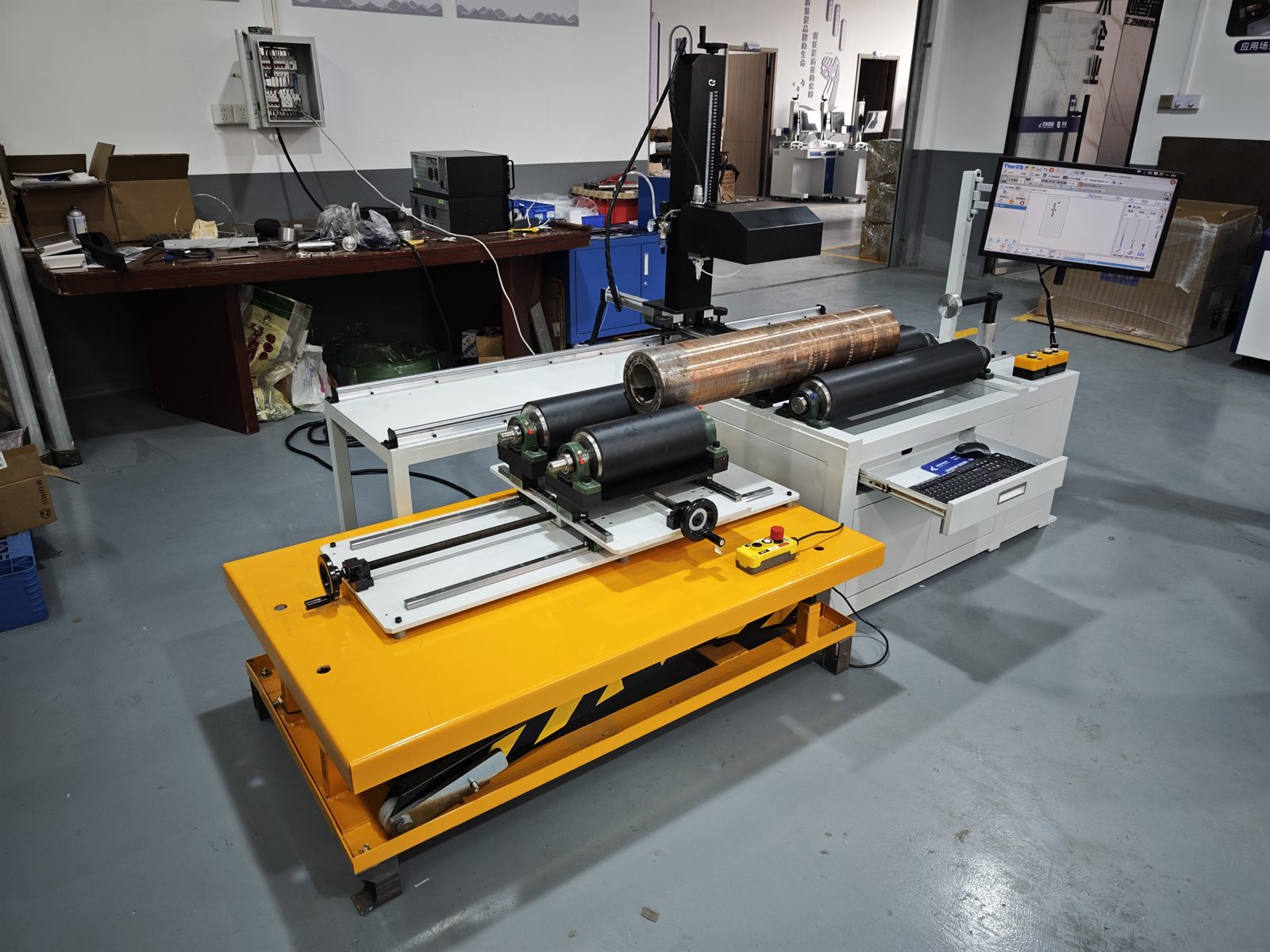
To solve both the hardness problem and the handling problem, CNMarking configured a custom dot peen workstation with several coordinated features rather than relying on a standard benchtop machine.
The first core element was a diamond-embedded marking pin. For ultra-hard alloy surfaces, the diamond tip provides much better durability and indentation consistency than an ordinary pin. Instead of losing depth quickly on hard surfaces, the stylus can keep producing readable permanent marks over a much longer operating cycle.
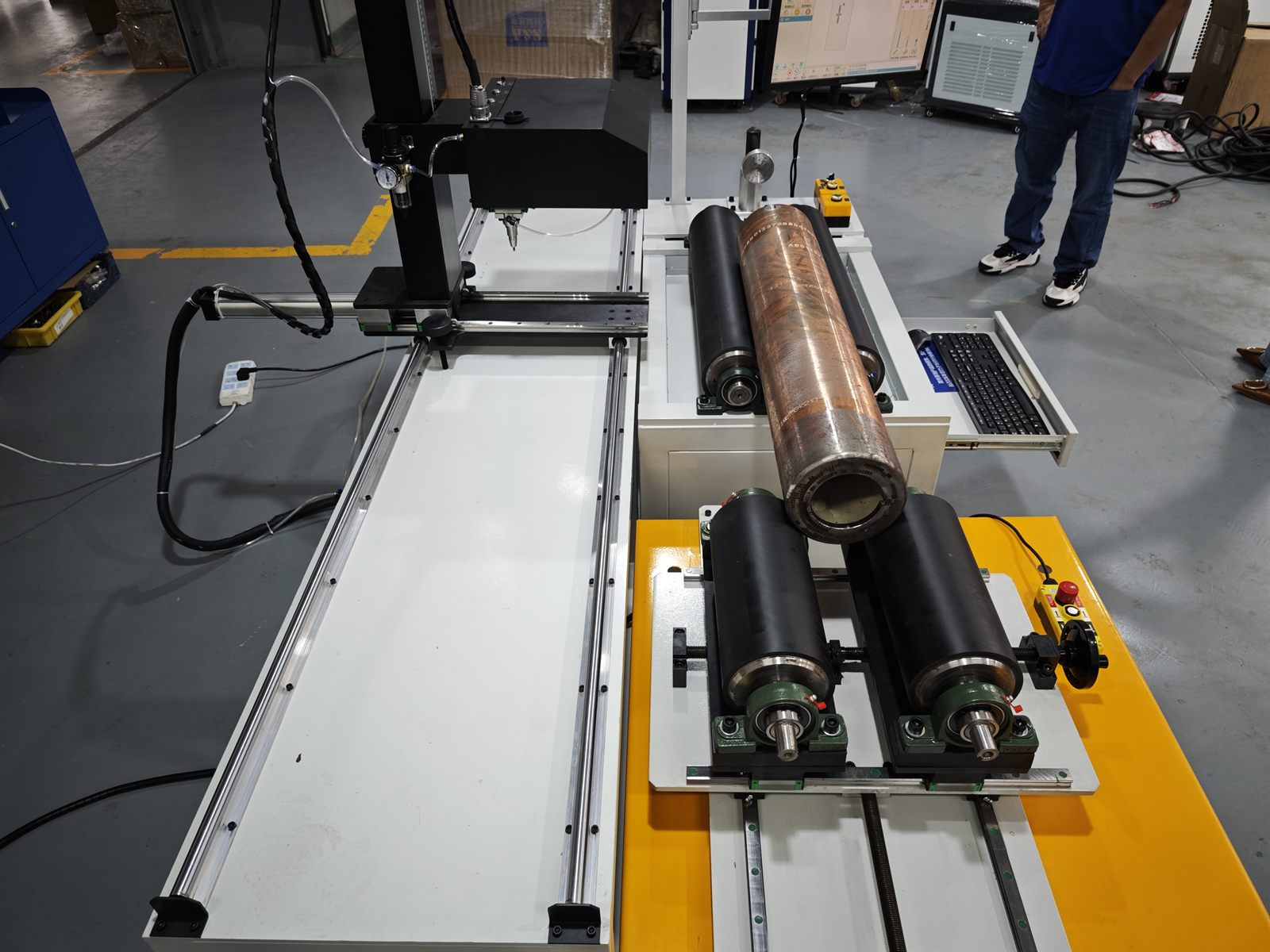
The second core element was a split twin-roller support layout. One side of the system supports controlled rotation, while the opposite side provides matching roller support to keep the long cylindrical part level and stable. This structure is much more suitable for drill pipe-type workpieces than a small flat worktable because it allows the part to sit naturally in position and present the marking zone consistently.
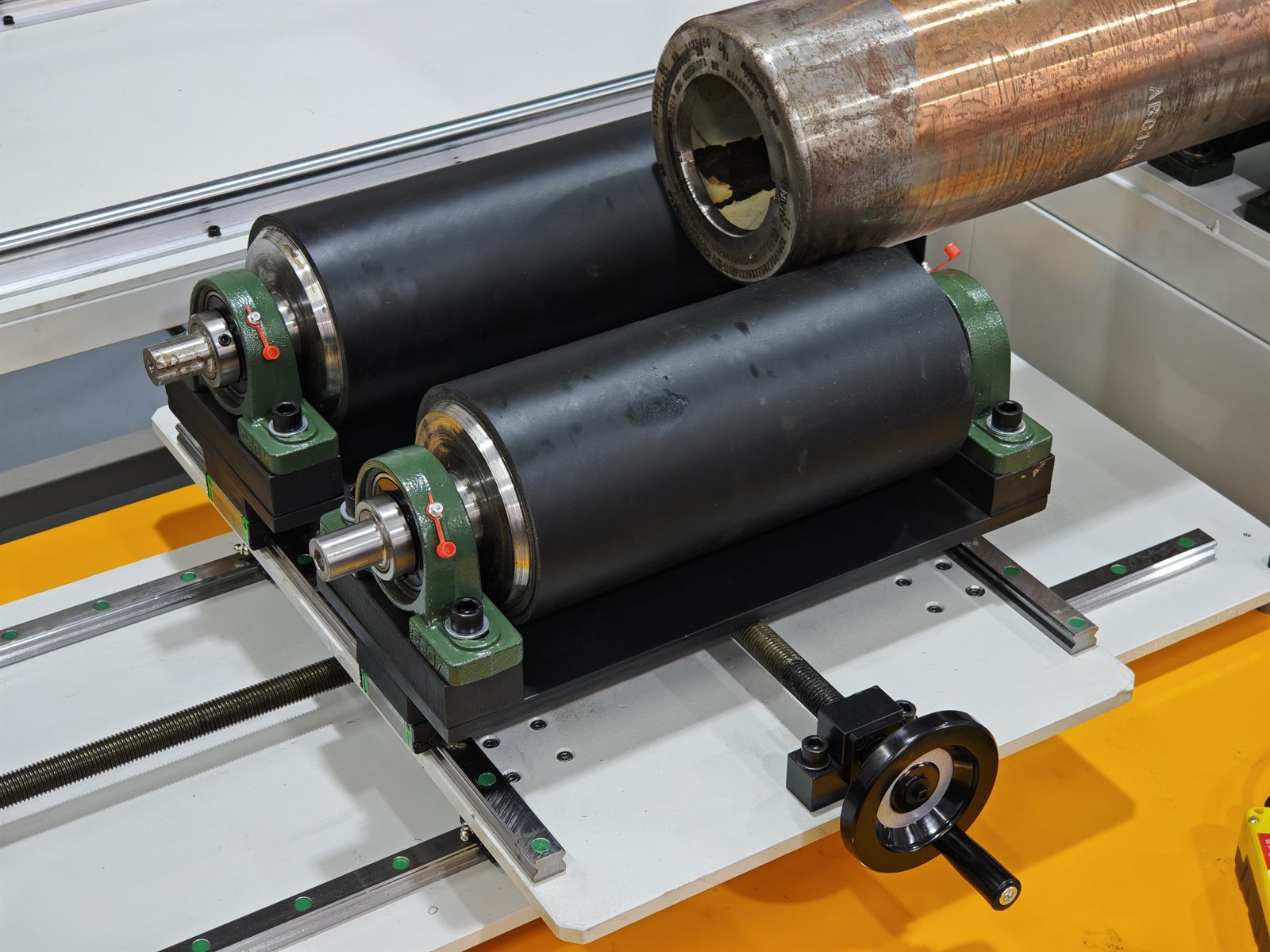
The third core element was long-travel positioning. The machine layout provides enough movement range to cover different marking positions along the part without repeated heavy manual repositioning. This matters when the customer handles multiple pipe lengths or needs the mark placed at a controlled location relative to the pipe end, joint area, or inspection reference point.
Why Dot Peen Was Preferred Here
For this project, the value of dot peen marking was its cold permanent marking behavior. The system forms the mark through controlled indentation rather than relying on thermal contrast. On ultra-hard oil drilling parts, that can be a practical advantage when the customer wants a deep, durable mark without adding a heat-affected zone to the surface.
That is also why this project should not be framed as a generic laser marking case. CNMarking offers both laser and non-laser identification solutions, and the correct choice depends on the part material, hardness, geometry, and traceability standard. Readers comparing technologies can also review Dot Peen vs Laser Marking and a related steel pipe dot peen marking demonstration.
Typical Traceability Content
In this kind of oil drilling traceability project, the required marking content usually includes permanent identification such as serial numbers, manufacturer identification, heat numbers, batch codes, inspection references, and controlled internal coding. The goal is readable, durable traceability that can stay with the part through production, logistics, storage, and service handling.
Delivery Status
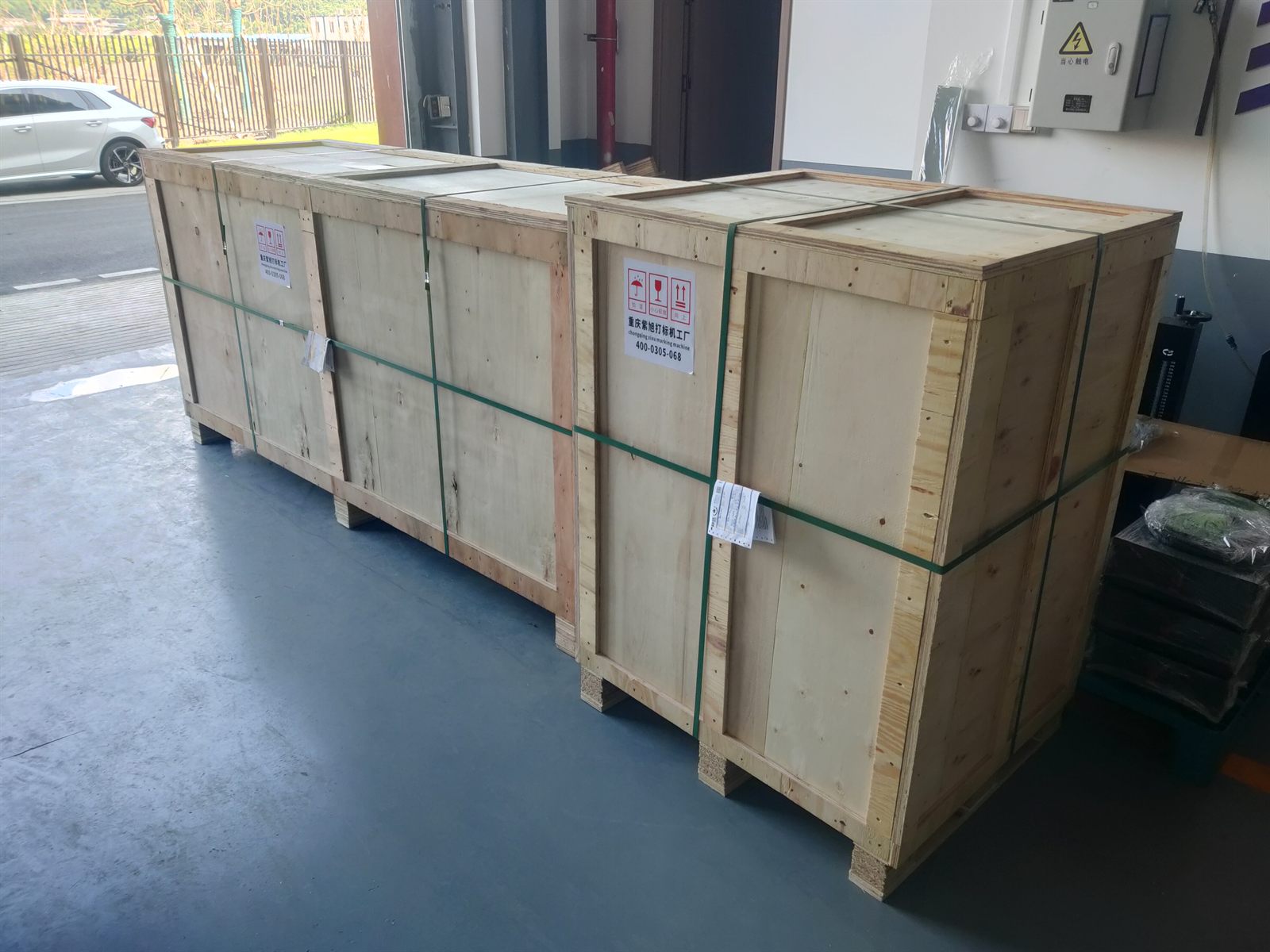
The material pack also included delivery photos showing the finished equipment prepared in wooden export crates. That matters because this was not just an internal sample idea. It was a completed custom solution organized for customer delivery and acceptance.
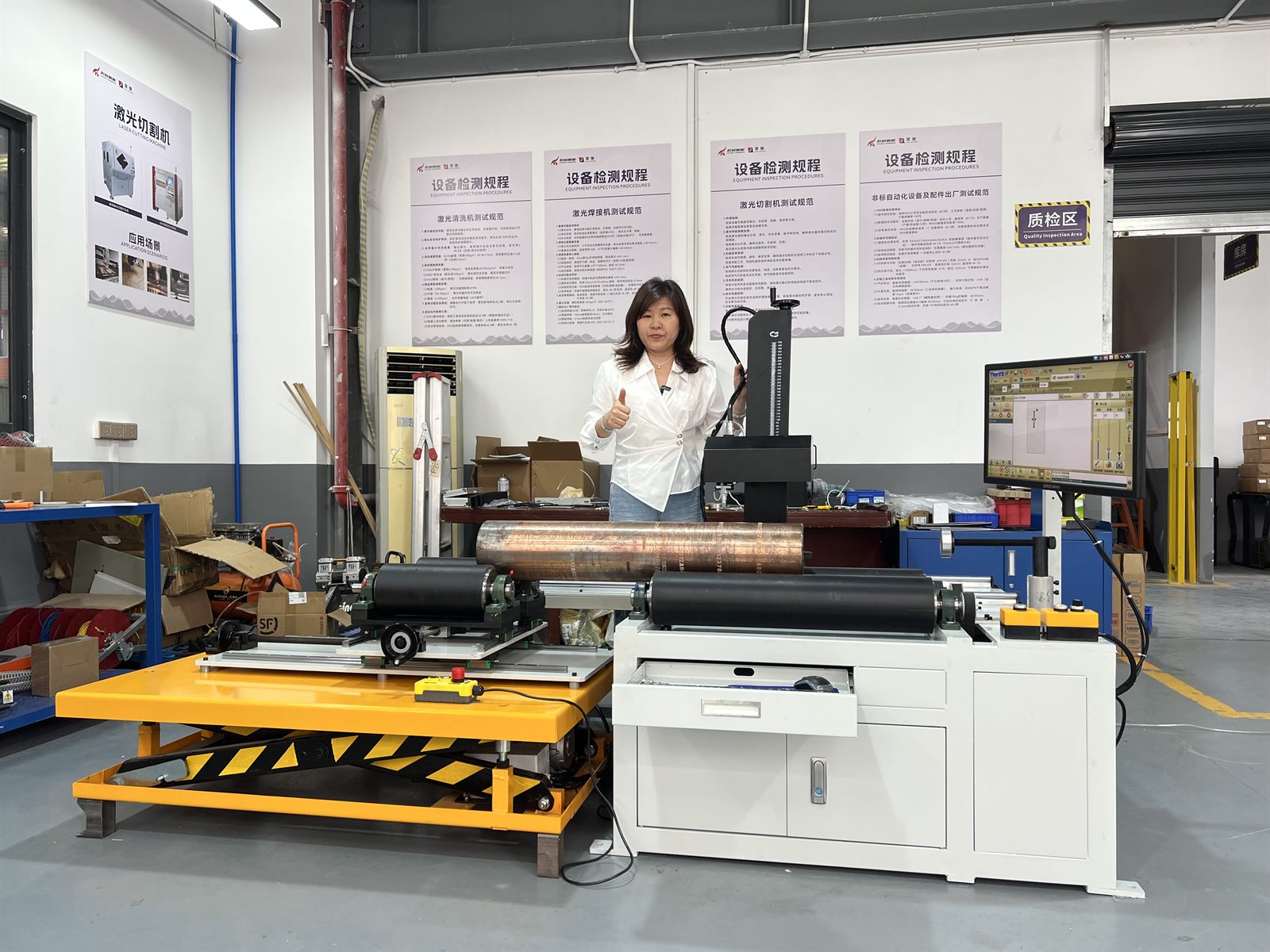
For manufacturers facing similar problems on ultra-hard cylindrical parts, this case shows a clear direction: when standard pins wear too fast and standard tables cannot support the workpiece properly, a customized diamond dot peen system with roller support and long-travel positioning can be the more practical answer.