Home / Product / Laser Marking Machine / Fiber Laser Marking Machine Laser Marking Machine Fiber Laser Marking Machine Handheld Type Benchtop Type Desktop Type Closed Type CO₂ Laser Marking Machine Benchtop Type Flying Type Desktop Type UV Laser Marking Machine Desktop Type Benchtop Type Closed Type Flying Type Green Laser Marking Machine Benchtop Type Closed Type MOPA Laser Marking Machine Benchtop Type Electric Marking Machine Handheld Type Pneumatic Marking Machine Handheld Type Benchtop Type 3-in-1 Press-Fit Bowl Marking Machine Pneumatic Scribe Machine Handheld Type Benchtop Type Custom Model Laser Welding Machine Handheld Laser Welding Machine Automatic Platform Laser Welding Machine Jewelry Laser Welding Machine Mold Repair Welding Machine Laser Cleaning Machine Pulsed Laser Cleaning Machine Portable Type Platform Type CW Laser Cleaning Machine Portable Type Platform Type Cutting Machine Laser Cutting Machine Enclosed Type Picosecond Laser Cutting machines Enclosed Type Tyre Changer Marking Pin Fiber Laser Marking Machine PLY-T30 Desktop Fiber Laser Marking MachineRead More PLY-T30 Desktop Fiber Laser Marking MachineTJ Series Small Desktop Fiber Laser Marking MachineRead More TJ Series Small Desktop Fiber Laser Marking MachinePLY-T100W Visual fiber Laser Marking MachineRead More PLY-T100W Visual fiber Laser Marking MachinePLY-T30 Portable Handheld Laser Marking MachineRead More PLY-T30 Portable Handheld Laser Marking MachineHandheld Laser Marking Machine 20W / 30WRead More Handheld Laser Marking Machine 20W / 30WPLY-T50W Fiber Laser Marking MachineRead More PLY-T50W Fiber Laser Marking Machine
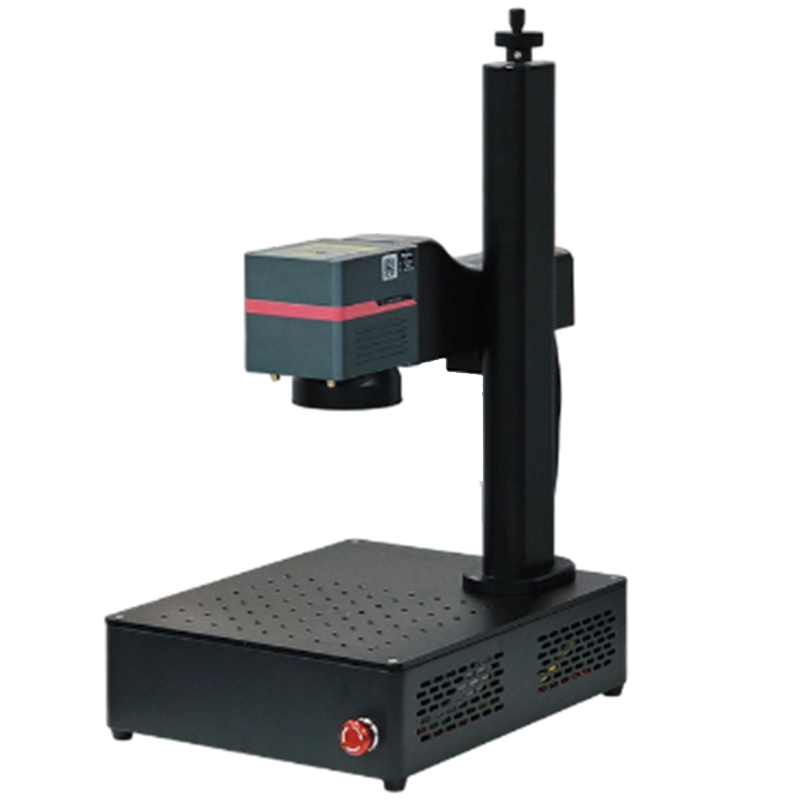
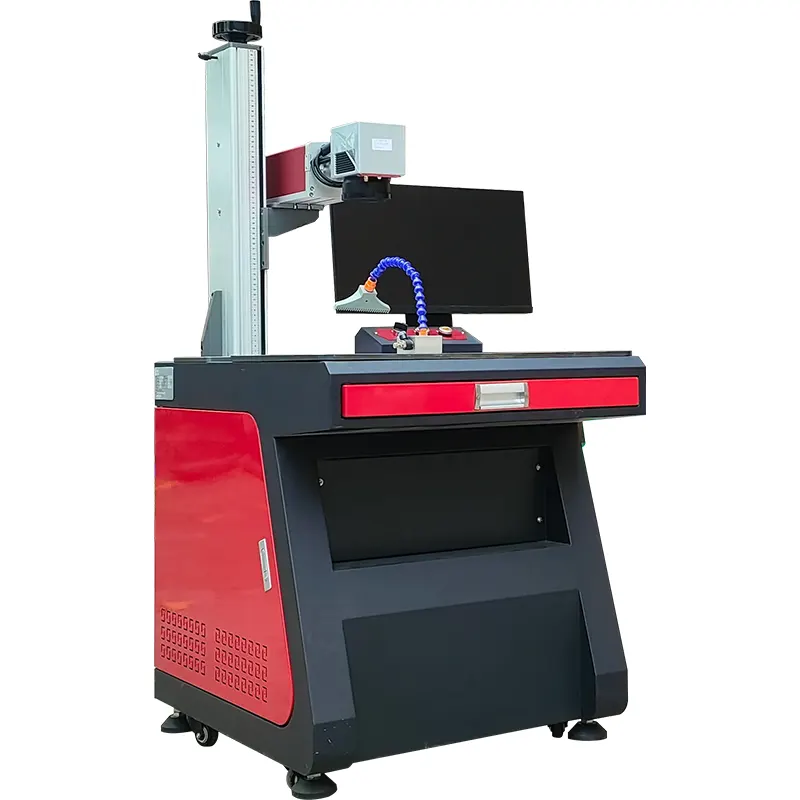
TJ Series Small Desktop Fiber Laser Marking MachineRead More TJ Series Small Desktop Fiber Laser Marking Machine
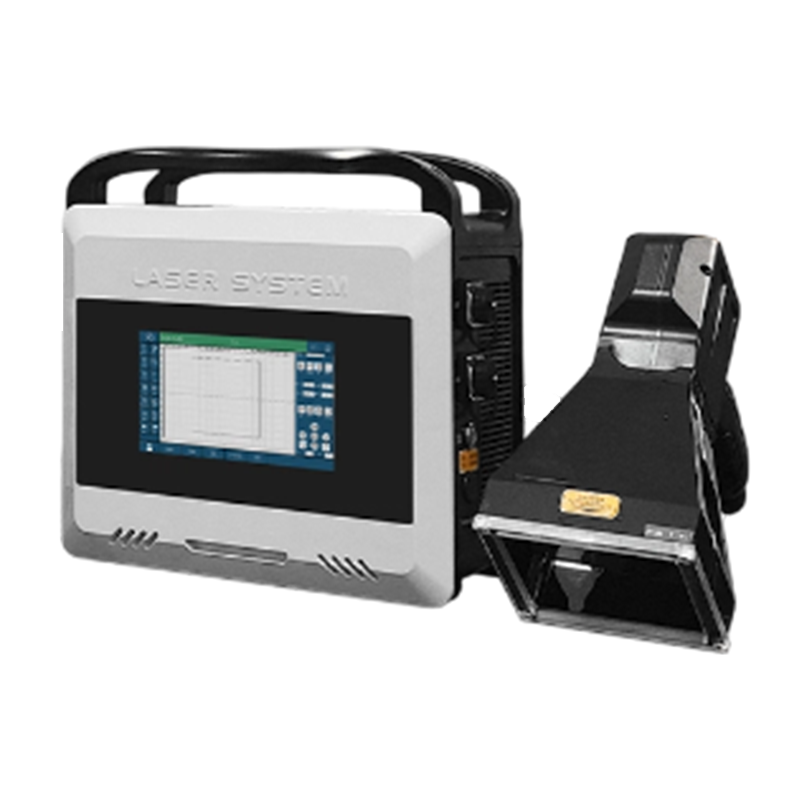
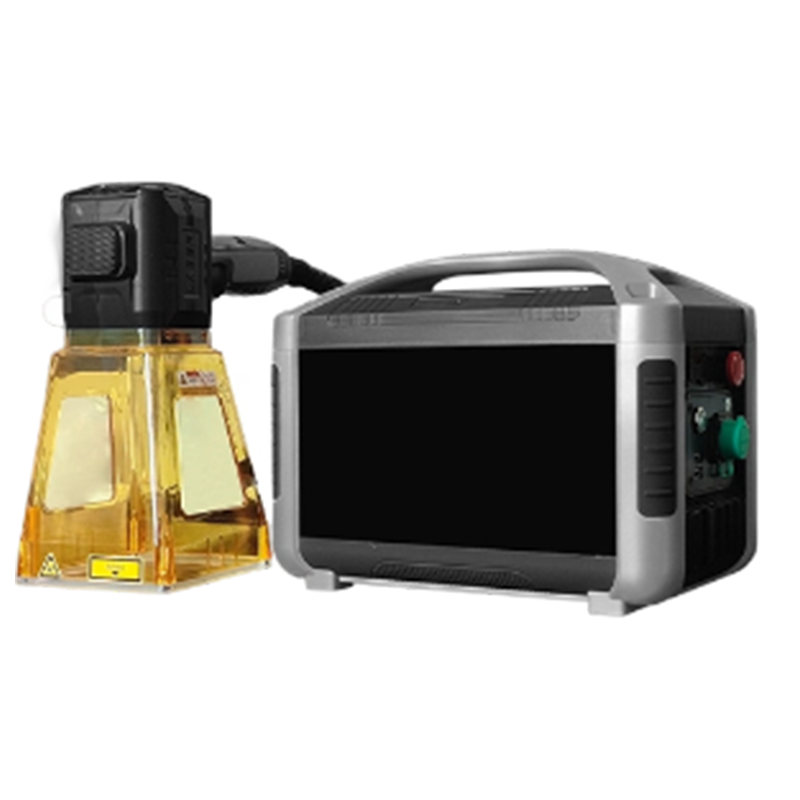
PLY-T30 Portable Handheld Laser Marking MachineRead More PLY-T30 Portable Handheld Laser Marking Machine