
Optical Lens Series
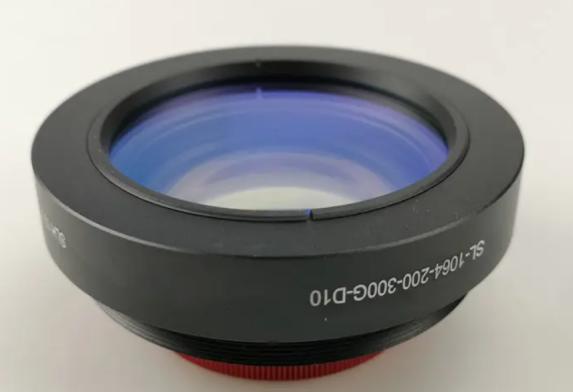
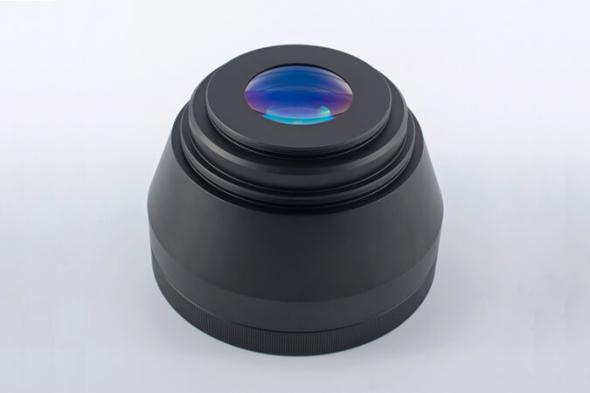
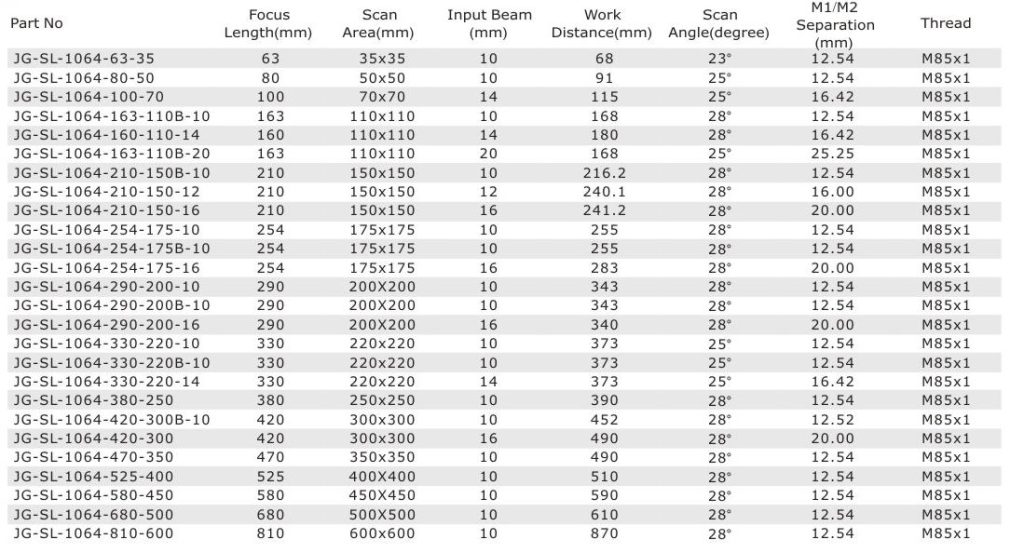
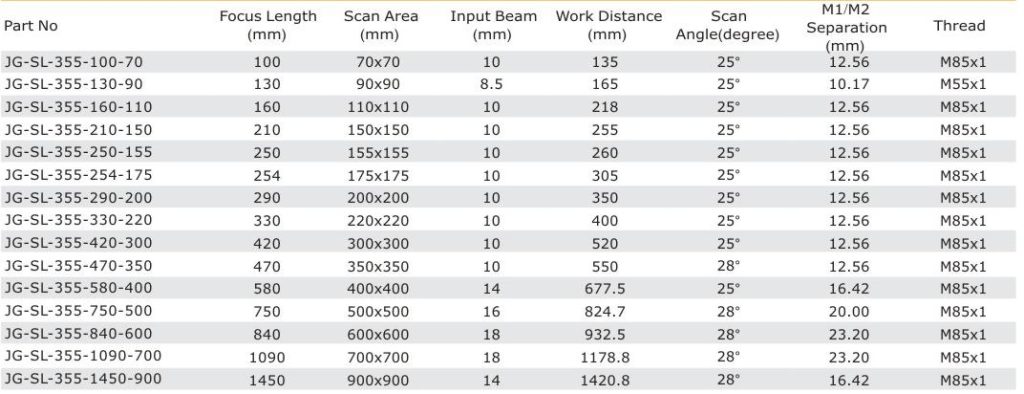
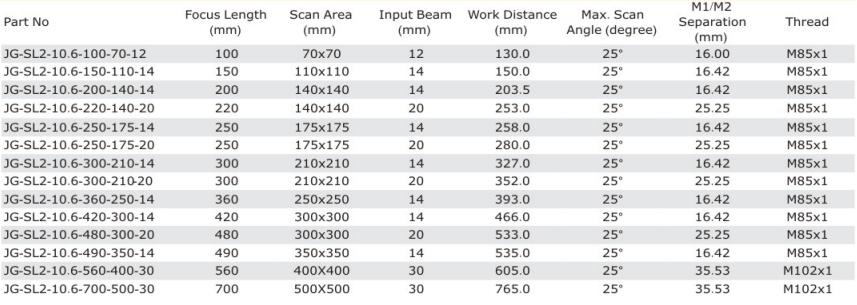
Optical lenses include various f-theta lenses, collimating beam expanders, and telecentric f-theta lenses. Mainly used in optoelectronic instruments, medical instruments, financial equipment, teaching instruments, semiconductors optical communications, laser applications, and other fields. It is one kind of the important laser accessories.
For product pricing, customization, or other inquiries:
Description
Optical Element Series
We are one of the largest manufacturers of standard optical components in China. The main products are optical glass optical crystal and fused silica spherical lenses, optical windows, reflectors, beam splitters, beam combiners, output couplers.etc. There are thousand kinds of lenses in our stock.
Optical Coating Series
The coating we can do includes anti-reflection coatings (UV, visible, near-infrared), dielectric high-reflection coatings (single-point, broadband), metal high-reflection coatings (gold, silver, aluminum, chromium), and spectroscopic coatings (dichroic, Semi-reflective and transmission, polarization beam splitting), filters (narrowband 10nm, band-pass 40nm, long and short pass) and other difficult and high-precision optical coatings.
The material We Can Polish and Coat
Zinc selenide, zinc sulfide, silicon, germanium, fused silica, K9 glass, other optical glass, etc.
| Related PRODUCTS
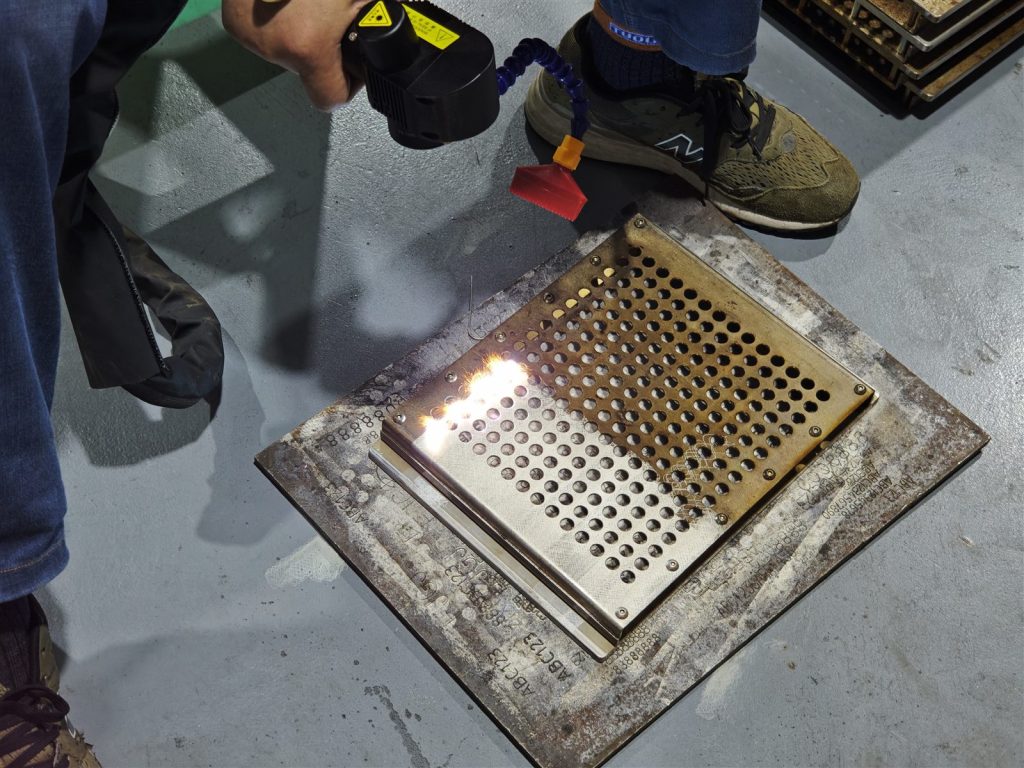
Laser Fume Extraction for Marking and Cleaning Cells

Desktop Handheld 2 in 1 Fiber Laser Marking Machine
Gas Cylinder Marking Machine for Traceability: Permanent IDs That Survive Handling
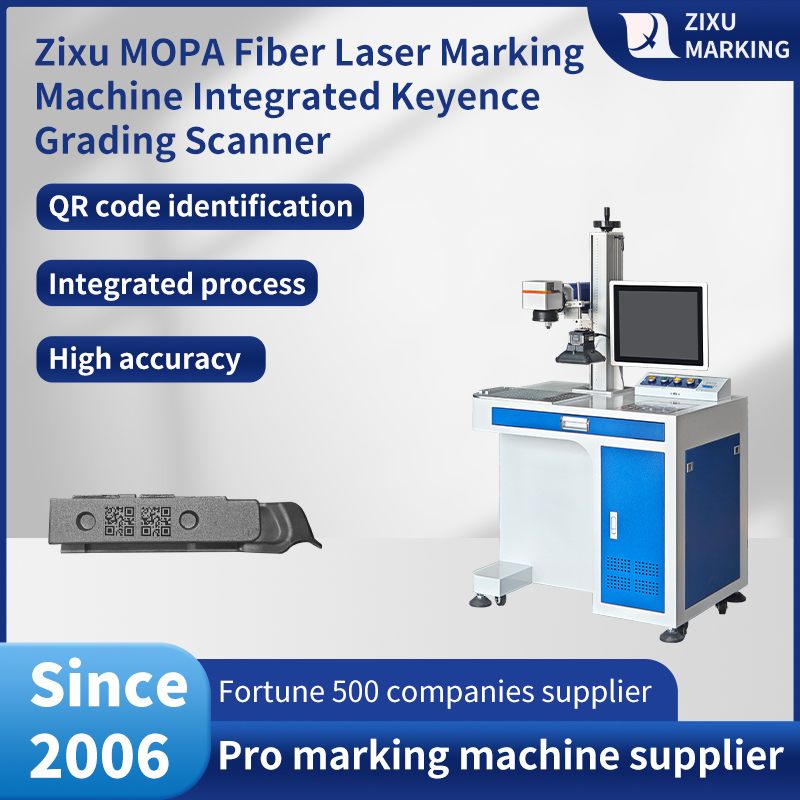
MOPA Fiber Laser Marking Machine with Keyence Scanner and QR Code Grading
| Get in touch
Application Context for Optical Lens Series
This page is part of CNMarking’s Industrial marking and traceability content library. For buyers comparing similar equipment, the key question is not only whether the sample can be marked, cleaned, welded, or processed, but also whether the final setup can match production speed, fixture stability, marking depth, visual quality, and long-term maintenance requirements. The application is most relevant to industrial part identification, product traceability, sample testing, equipment selection, and production-line marking projects.
When evaluating a similar project, CNMarking normally checks the workpiece material, available marking area, expected cycle time, required code or logo content, fixture method, safety enclosure needs, and whether the process must connect with an existing line, MES, scanner, or operator workflow. These details help choose between a standard machine, a semi-custom workstation, or a fully automated solution.
Recommended CNMarking Product Pages
Related CNMarking Case Studies and Guides
- How to Choose the Right Laser Marking Machine for Your Factory
- VIN Number Marking Machines Guide
- Dot Peen vs Laser Marking Guide
How to Choose a Similar Setup
- Send clear photos or drawings of the workpiece, including the required marking or processing position.
- Confirm the material, surface coating, required depth or contrast, and any durability requirements after cleaning, painting, heat treatment, or outdoor use.
- Share the expected production rhythm, such as pieces per hour, operator loading method, fixture constraints, and whether automatic code reading is required.
- For new applications, request sample testing first so the marking quality, processing speed, and fixture plan can be confirmed before mass production.
FAQ
Can CNMarking test my own samples before quotation?
Yes. For most marking, cleaning, welding, and precision laser processing projects, sample testing is the safest way to confirm process feasibility. A short video, test photos, and recommended configuration can be prepared after the workpiece and target result are confirmed.
What information should I send for a faster recommendation?
Please send the material, dimensions, required content, target cycle time, production environment, and any automation requirements. If the project is replacing an existing process, also share the current pain point, such as low efficiency, unstable quality, consumable cost, surface damage, or traceability requirements.
Need a similar solution? Contact CNMarking with your workpiece photos and target result. Our engineers can recommend a standard model or a customized workstation based on your sample and production requirements.