
Laser Cleaning in Rail: From Tracks to Trains
Industrial laser cleaning is revolutionizing rail maintenance. Using high energy light beams to ablate rust and grime, this “dry” technology offers a precise, non abrasive alternative to grinding and chemicals. Its application falls into three main areas: the tracks, the wheels, and the manufacturing plant.
1. Keeping the Rails Clear
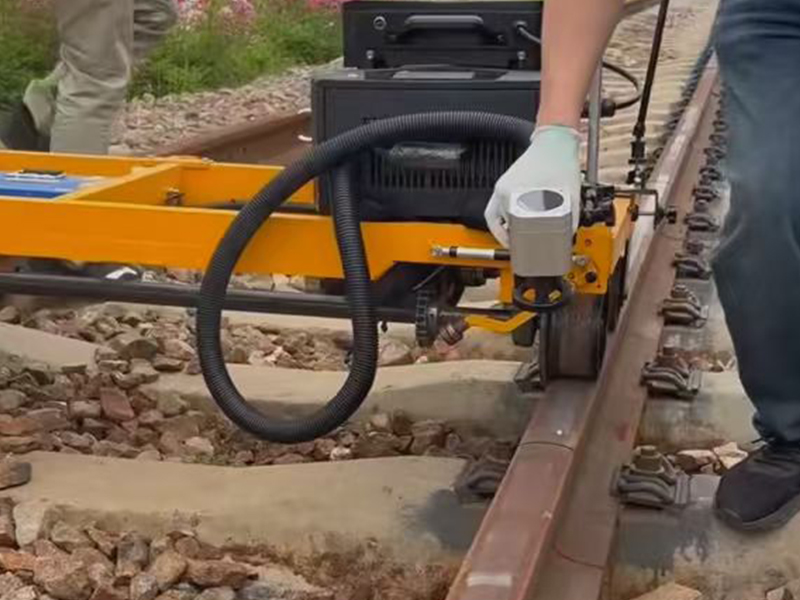
Maintaining the railhead is critical for traction. The cleaning method depends on the railway type.
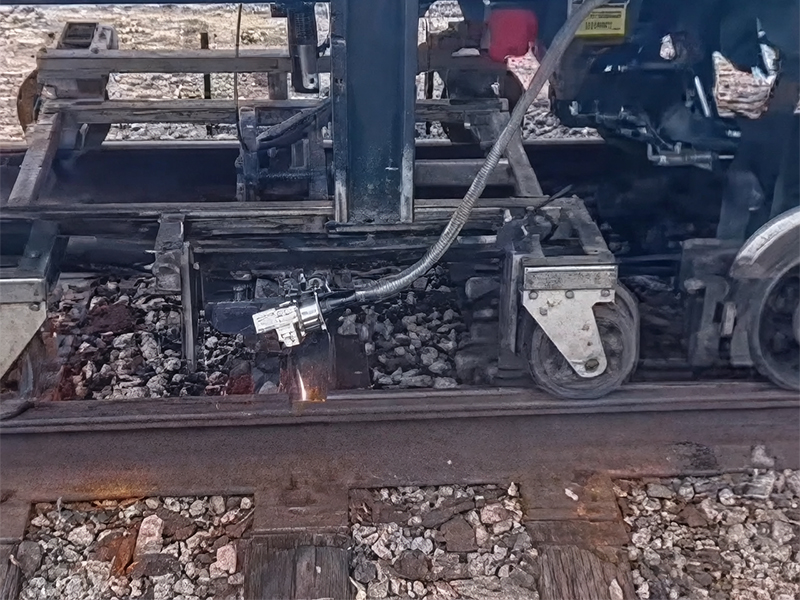
For low speed networks (under 180 km/h), a cost effective solution involves mounting continuous wave (CW) lasers directly onto maintenance vehicles. As the train travels, the fixed beam removes surface rust. Crucially, the laser’s heat burns away organic matter like leaves and animal waste that cause slippery rails. This allows transit authorities to clean tracks during regular schedules without deploying special trains.
For high speed rail, where tracks are welded continuously, weld quality is paramount. Before welding, high power pulsed lasers clean the rail ends. Unlike grinding wheels, which create stress and are consumable heavy, pulsed lasers vaporize oxidation without mechanical contact. This results in lower internal stress welds and long term stability. For light surface rust, pulsed lasers offer selective removal, leaving the metal untouched without the black granular texture of CW lasers.
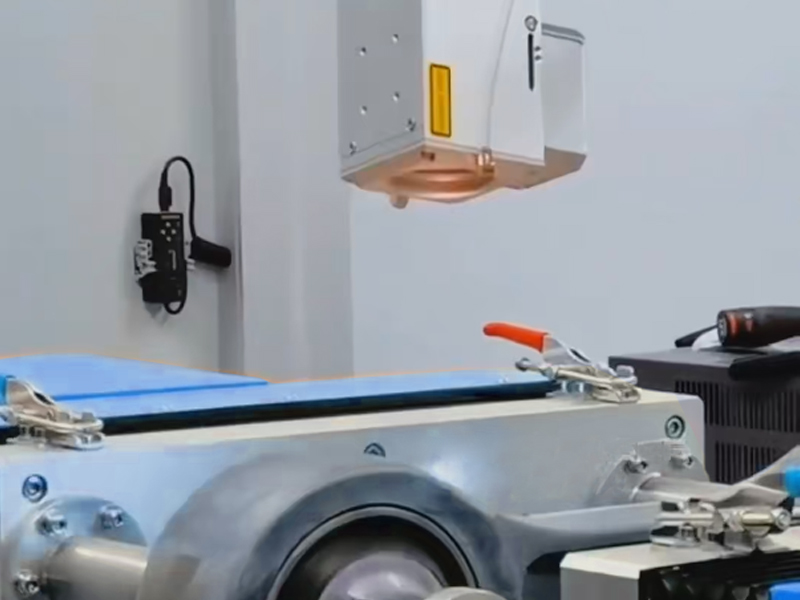
However, purely pulsed systems struggle with thick rust due to power limitations. This has led to hybrid systems that combine both technologies: a high power CW laser rapidly strips heavy scale, and a pulsed laser finishes the job for a pristine surface. While more expensive, they offer the best balance of quality and speed for critical infrastructure.
2. Wheelsets and Bogies
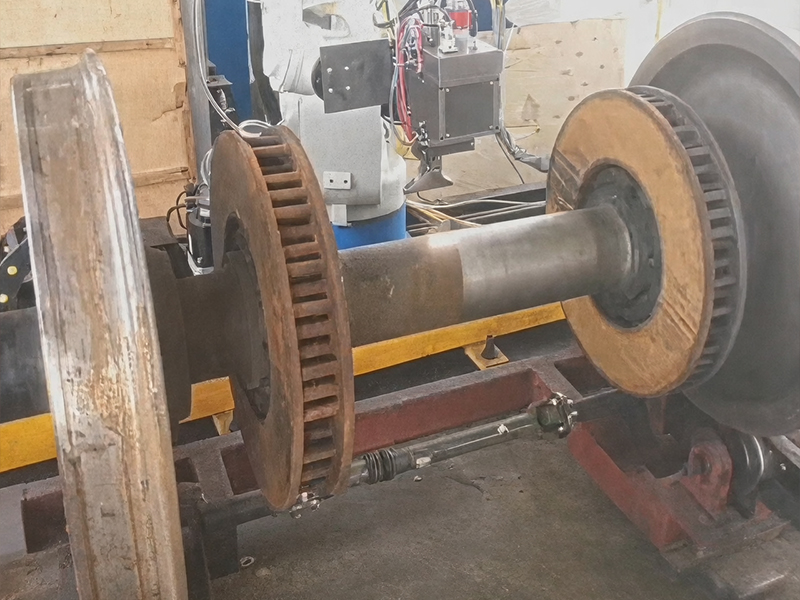
Wheelsets cannot be painted, as paint hides fatigue cracks. They must be periodically stripped of rust. Traditionally, this meant disassembly for chemical or abrasive cleaning, a slow and dirty process.
Today, automated hybrid laser systems are transforming this task. Wheelsets are loaded into rotating rigs where robotic lasers quickly strip rust and grease. This method eliminates chemical use and wastewater, drastically reducing the environmental footprint of maintenance depots.
3. Manufacturing and Components
In train manufacturing, lasers clean car body panels before welding. Removing the thin oxide layer on aluminum or steel ensures strong, porosity free welds. These “clean and weld” units replace manual grinding, speeding up production and improving weld stability. This same precision applies to engines, gearboxes, and other critical components. In conclusion, laser cleaning offers a faster, cleaner path to rail maintenance. Whether it is a CW laser on a commuter train clearing leaves, a hybrid system prepping a high speed rail weld, or a robotic cell stripping a wheelset, the technology is keeping the world’s trains moving safely and efficiently.
How to use this page for an industrial marking project
This page is part of Zixu’s application and product knowledge base for permanent industrial identification. If you are comparing marking methods, use it together with the related product pages below to confirm the right marking depth, marking speed, fixture style, automation level, and material compatibility before requesting a quotation.
Recommended next pages
Selection notes
For a project similar to Laser Cleaning in Rail: From Tracks to Trains, please confirm the workpiece material, marking area, required cycle time, code type, production environment, and whether the machine needs to be handheld, benchtop, enclosed, or integrated into an automatic line. These details help us recommend a stable configuration instead of only matching a laser power or marking window size.
Send us your sample or drawing
If you are not sure which machine is suitable, send us product photos, marking content, drawing dimensions, and expected output. Zixu can provide sample marking feedback, fixture suggestions, and a practical machine configuration for distributors, factories, and system integrators.