
Dot Peen Marking Depth Requirements: Material, Needle, Force and Cycle Time
Target keyword: dot peen marking depth requirements
Learn how material hardness, stylus condition, force settings, and cycle time affect dot peen marking depth for durable traceability.
dot peen marking depth requirements is a practical buying question, not just a search term. The useful decision is whether the process can create a readable, durable mark on the real part while fitting the operator workflow, fixture condition and production speed.
For this topic, CNMarking recommends checking material hardness, stylus condition, air pressure or force before comparing machine prices. A sample test or part photo often gives a clearer answer than a generic specification sheet.
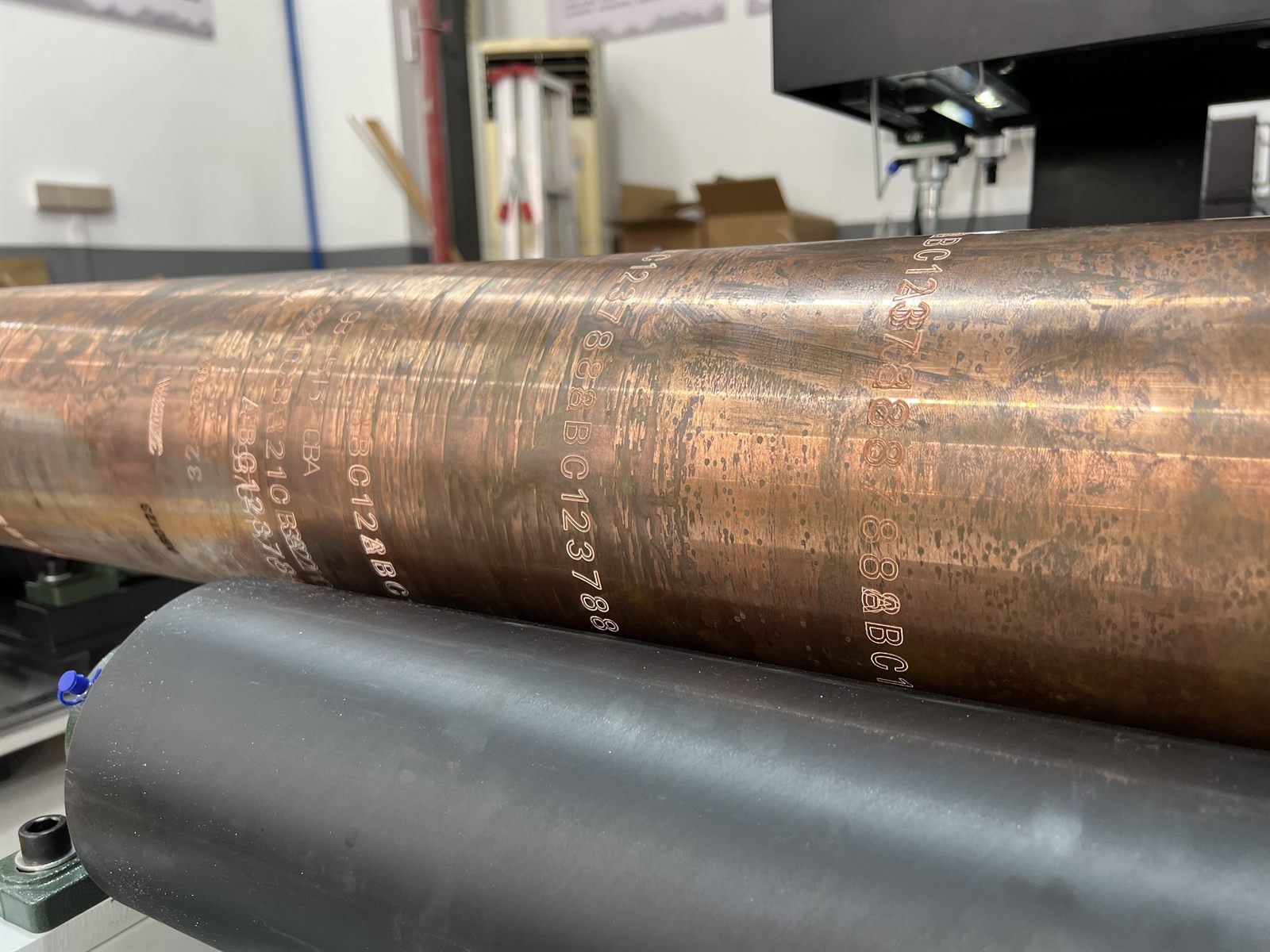
Why Marking Depth Matters
This section starts with the actual part requirement: material, marking content, mark position and how the part will be handled after marking. Those details decide whether the better route is laser marking, dot peen marking, scribe marking or a custom fixture.
A good supplier should translate that requirement into marking parameters, fixture design and verification steps instead of only quoting machine power or table size.
Material Hardness and Surface Condition
The key control point here is stylus condition. If this is not confirmed early, the final mark may be readable in a demo but unstable in daily production.
A good supplier should translate that requirement into marking parameters, fixture design and verification steps instead of only quoting machine power or table size.
Needle, Force and Dot Density Settings
The key control point here is air pressure or force. If this is not confirmed early, the final mark may be readable in a demo but unstable in daily production.
A good supplier should translate that requirement into marking parameters, fixture design and verification steps instead of only quoting machine power or table size.
Balancing Depth with Cycle Time
The key control point here is dot density. If this is not confirmed early, the final mark may be readable in a demo but unstable in daily production.
A good supplier should translate that requirement into marking parameters, fixture design and verification steps instead of only quoting machine power or table size.
How to Confirm Depth Before Buying
The key control point here is cycle time. If this is not confirmed early, the final mark may be readable in a demo but unstable in daily production.
Before purchase, send a part photo, drawing, material description and required mark content. CNMarking can then suggest a machine route and, when needed, arrange sample marking so the decision is based on evidence.
Buyer checklist before requesting a quote
- part material and surface finish
- required mark content: serial number, text, QR code or Data Matrix
- available marking area and fixture access
- required depth, contrast or scanner readability
- daily output target and cycle-time expectation
- material hardness
- stylus condition
- air pressure or force
- dot density
- cycle time
Useful internal links for the same inquiry path
- https://www.cnmarking.com/pneumatic-dot-peen-marker
- https://www.cnmarking.com/dot-peen-and-scibe-marking-machines
- https://www.cnmarking.com/contact-us
Need a sample mark or application suggestion?
Send the material, part size, mark content, available area and output target. CNMarking can help compare laser, dot peen, scribe or fixture-based marking routes and confirm the practical test points before purchase.