
Why Air-Cooled UV Laser Sources Are Treated as Consumables
Target topic: why the core laser source inside an air-cooled UV laser marking machine can be treated as a consumable part.
Short answer: the selling point of laser marking is often “no ink, no labels and no process consumables.” But in low-cost air-cooled UV laser systems, the 355 nm UV source itself can become the hidden consumable. Once the nonlinear crystal and internal optics decay, many small workshops simply discard the source and install a new one, because service time can cost more than the part.
The weak point is the third-harmonic generation crystal
To understand why an air-cooled UV source can become a consumable, start with the most delicate part in the source: the third-harmonic generation crystal.
A 355 nm UV laser is not usually produced directly. A common process starts with 1064 nm infrared light, converts part of it to 532 nm green light, and then uses another nonlinear conversion stage to obtain 355 nm ultraviolet light. The final crystal stage carries very high photon energy density, so crystal surface quality, coating quality, humidity and contamination matter far more than many buyers expect.
The damage is often not a sudden burn-through. It behaves more like a chronic disease: output power drops, the beam becomes unstable, marks become weaker, and the source slowly loses commercial value.
Why UV crystal damage accelerates
- Impurity absorption creates local heat. Trace metal ions, hydroxyl groups or tiny surface defects can absorb high-energy UV light. Local heat then creates stress and can grow into micro-cracks.
- UV-induced deposits form on the crystal surface. UV photons can break down trace water vapor and organic molecules inside the cavity. Those byproducts form photochemical deposits, absorb more laser energy, and speed up further contamination.
- Surface finish changes lifetime by orders of magnitude. Ordinary polishing, rougher surfaces and imperfect UV coatings can reduce lifetime sharply. Super-polished surfaces and carefully controlled crystal conditions are expensive for a reason.
This is the mechanism behind the original point: the crystal is afraid of humidity, organic vapor, dust and unstable internal air. In a cheap air-cooled UV source, the optical cavity may not have enough sealing, purification or low-outgassing material control to protect the crystal for years.
Thousands of hours is a ceiling, not a guarantee
Some UV laser sources advertise thousands of hours of crystal lifetime. That number should be read as an engineered result under defined conditions, not as the default life of every low-price air-cooled UV source.
Long-life UV source designs may use improved cavity geometry, lower power density on the crystal surface, better sealing, cleaner internal materials and gas purification. Those details cost real money. If a source is sold at a very low price, the buyer should ask whether it includes the same lifetime-control engineering, or whether the source is economically expected to behave like a consumable spare.
Why “no consumables” can be misleading
Laser marking does avoid ink, solvent, labels and many process consumables. That part is true. But the laser source is still a physical optical system. Nonlinear crystals, frequency conversion optics and UV coatings age under high photon energy.
In many industrial discussions, nonlinear optical crystals already have a consumable character. Depending on the environment and duty cycle, conversion efficiency falls and the crystal eventually has to be serviced or discarded. In UV laser sources, that part can represent a meaningful share of the source cost, so pretending it is a lifetime component can create the wrong purchase expectation.
Why some workshops deliberately treat the source as a consumable
This is not always foolish buying. A small workshop may buy a low-cost air-cooled UV source, run it until the output is no longer acceptable, and then install another source. If technician travel, diagnosis, shipping and downtime are expensive, this “use it as a consumable” approach can be the cheapest practical choice.
The logic changes for a high-duty production line. If a UV marker is part of a traceability station, automation cell or 24-hour workflow, source decay can stop production. In that case, a better-sealed extended-life source can be cheaper over the full operating period, even if the purchase price is higher.
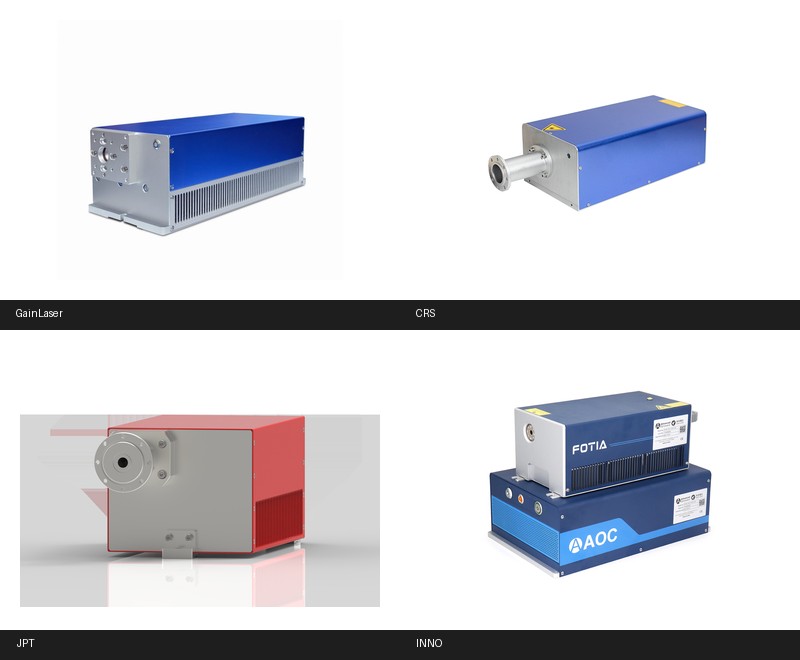
Market reference pictures from GainLaser, CRS, JPT and INNO
The pictures below are used only as visual references for common compact air-cooled UV laser source formats in the market. They are not a ranking, recommendation or endorsement.
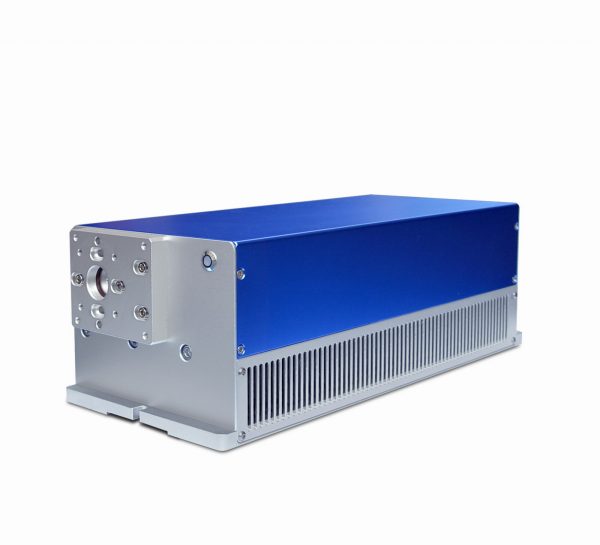
Air-cooled UV laser source market reference image. Source: public product page.
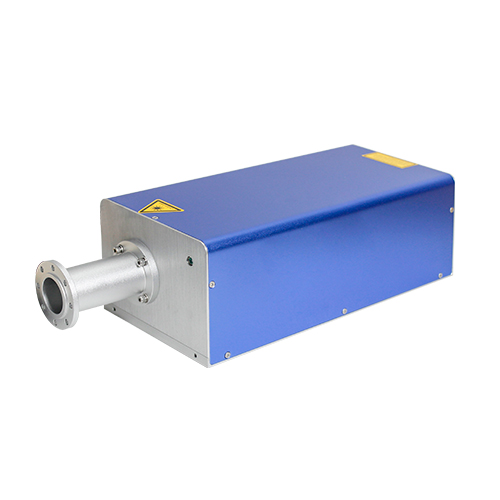
Air-cooled UV laser source market reference image. Source: public product page.
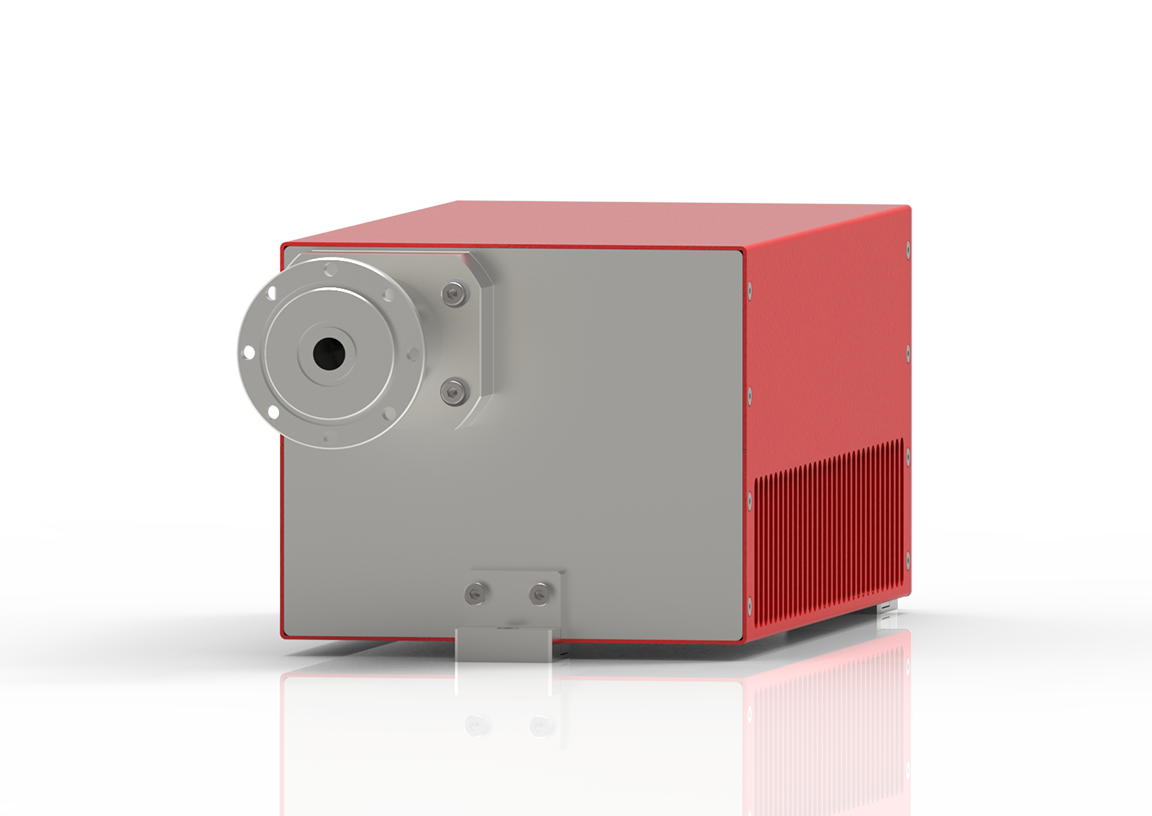
Air-cooled UV laser source market reference image. Source: public product page.
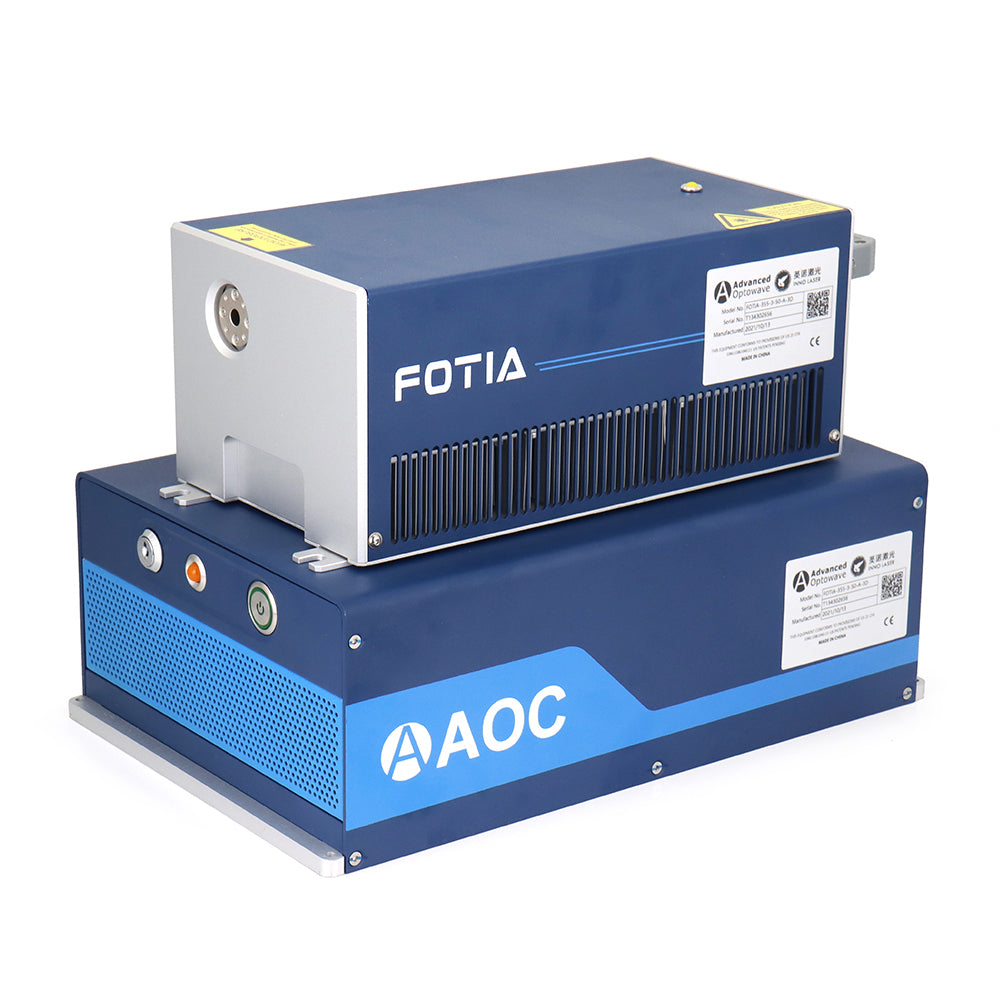
Air-cooled UV laser source market reference image. Source: public product page.
Buyer checklist before choosing an air-cooled UV laser marker
- Ask whether the quoted UV source is designed for long-life production use or consumable-style economy use.
- Ask for the expected lifetime definition: output drop percentage, test power, duty cycle, ambient temperature and humidity.
- Confirm whether the cavity is sealed and whether it controls moisture, organic vapor and dust.
- Compare the cost per useful marking hour, not only the purchase price of the machine.
- For sensitive plastics, glass, electronics and fine marking, run a real sample test before purchase.
- For continuous production, include downtime cost in the buying decision.
The practical conclusion
Calling a laser marking machine “no consumables” is only partly correct. It means the marking process does not consume ink or labels. It does not mean the UV laser source has no consumable-like parts.
In the air-cooled UV segment, treating the core laser source as a consumable may sound strange, but it is the result of crystal lifetime limits, source cost structure and buyer economics. High-end production lines pay for extended lifetime. Low-duty workshops may pay less upfront and accept the source as a consumable spare. Both choices can be rational if the buyer understands the tradeoff.
The key question is simple: when someone says a UV laser marking machine has no consumables, ask whether the third-harmonic generation crystal is being counted.
How this connects to CNMarking UV laser marking machines
CNMarking helps buyers match the UV laser marker, source choice, fixture, marking software and service expectation to the real job. A useful inquiry should include the material, mark size, contrast requirement, daily output, workshop environment and expected service model.
Useful CNMarking pages for this topic:
- standard uv laser marking machine
- handheld uv laser marking machine
- integrated in line uv laser marking machine
- uv laser marking for plastic parts
- contact us
Image and technical reference sources
- GainLaser: https://www.gain-laser.com/air-cooled-uv-laser-source/
- CRS Laser: https://crslaser.com/product/3w-5w-uv-air-cooled-integrated-laser/
- JPT: https://en.jptoe.com/products/lasers/dpss-lasers/lark-355-3-5
- INNO: https://www.wavetopsign.com/products/inno-355nm-uv-laser-source-air-cooled-compact-medium-and-low-power-laser-fotia-355-5w-for-uv-laser-marking-and-3d-printing
- General UV optics background: Optics Express paper on UV laser-induced contamination and optics damage
Contact CNMarking for UV laser marking sample testing or source selection advice