
What Is Laser Texturing and Why Pulsed Laser Cleaners Can Do It
Technical blog
Pulsed laser cleaning machines were built to remove rust, paint, oil and oxide. But in production, engineers discovered a useful side effect: the same high-energy pulses can also create a controlled micro-rough surface. That discovery is now becoming a separate application called laser texturing.
Cleaning Was the Original Goal
The early promise of pulsed laser cleaning was simple: remove unwanted material without chemicals, blasting media or heavy mechanical grinding. A pulsed laser cleaning machine can target rust, paint, oil film and oxide layers while reducing contact with the base metal.
Then factories noticed something interesting. Under the right parameters, the laser did not only remove contamination. It also changed the surface of the metal into a fine, repeatable roughness pattern. Paint, coating and adhesive could grip the surface more firmly.
Why the Textured Surface Helps
Coatings and adhesives often fail because the surface is too smooth, dirty or inconsistent. Traditional pretreatment may require sanding, sandblasting, chemical etching or a separate roughening process. Laser texturing turns that into a controllable digital process.
When the pulsed beam scans over the metal, each pulse can create a tiny melt pool and micro-pit. Across the whole processing area, those points become a texture. The coating can flow into the structure and form a mechanical locking effect, similar to many small anchors on the surface.
The Physics Behind the “Hidden Skill”
Laser texturing is not magic. It comes from heat input, melt pool behavior, recoil pressure, surface tension and fast re-solidification. The exact result depends on material, absorption, pulse energy, pulse width, repetition rate, scan speed and overlap.
With galvanometer scanning, a single pulse spot becomes a large-area texture. By arranging those spots in controlled lines and layers, engineers can tune the surface from light cleaning to stronger roughening. The same machine can often be configured for different jobs by changing recipes instead of replacing the whole process.
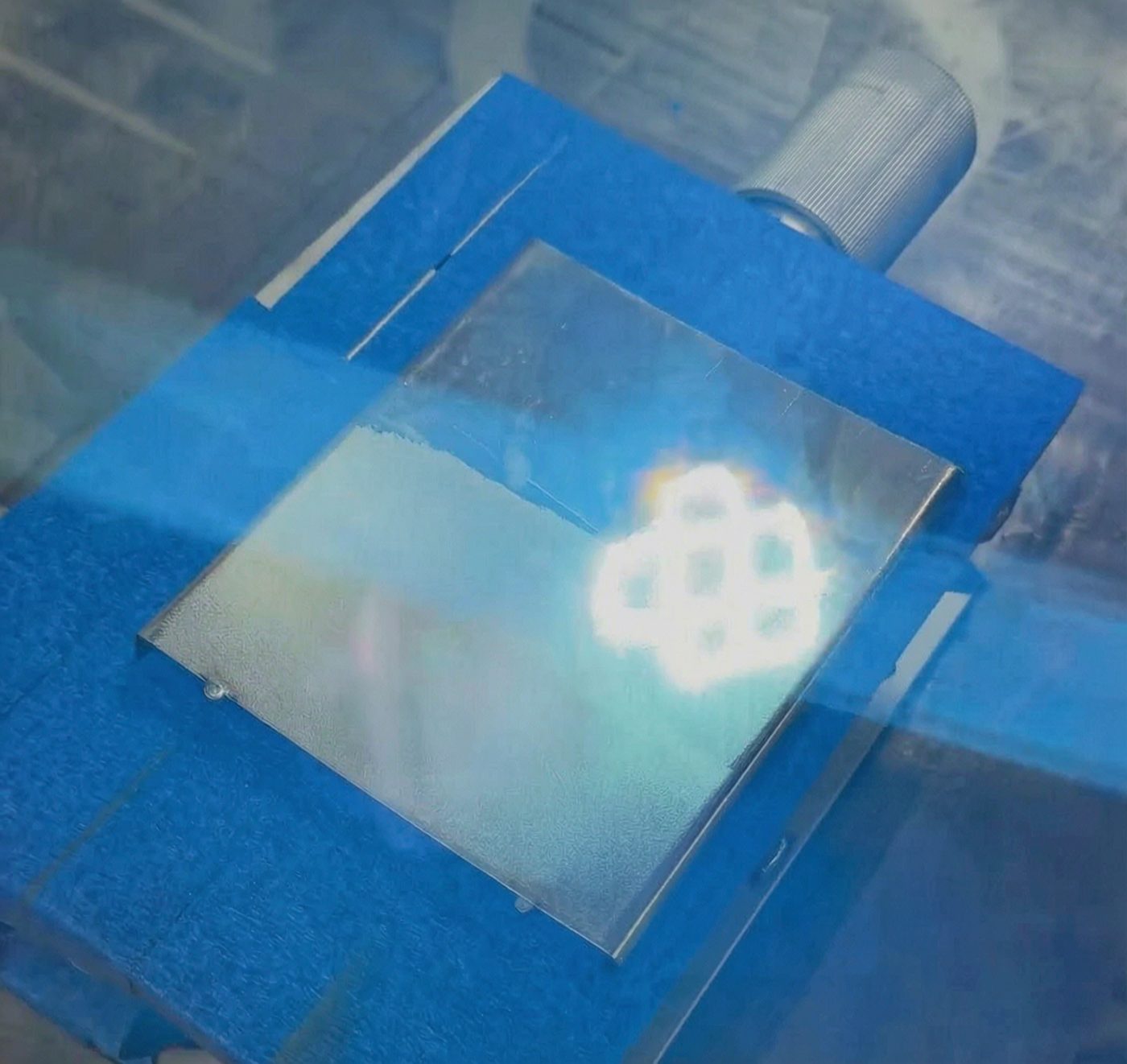
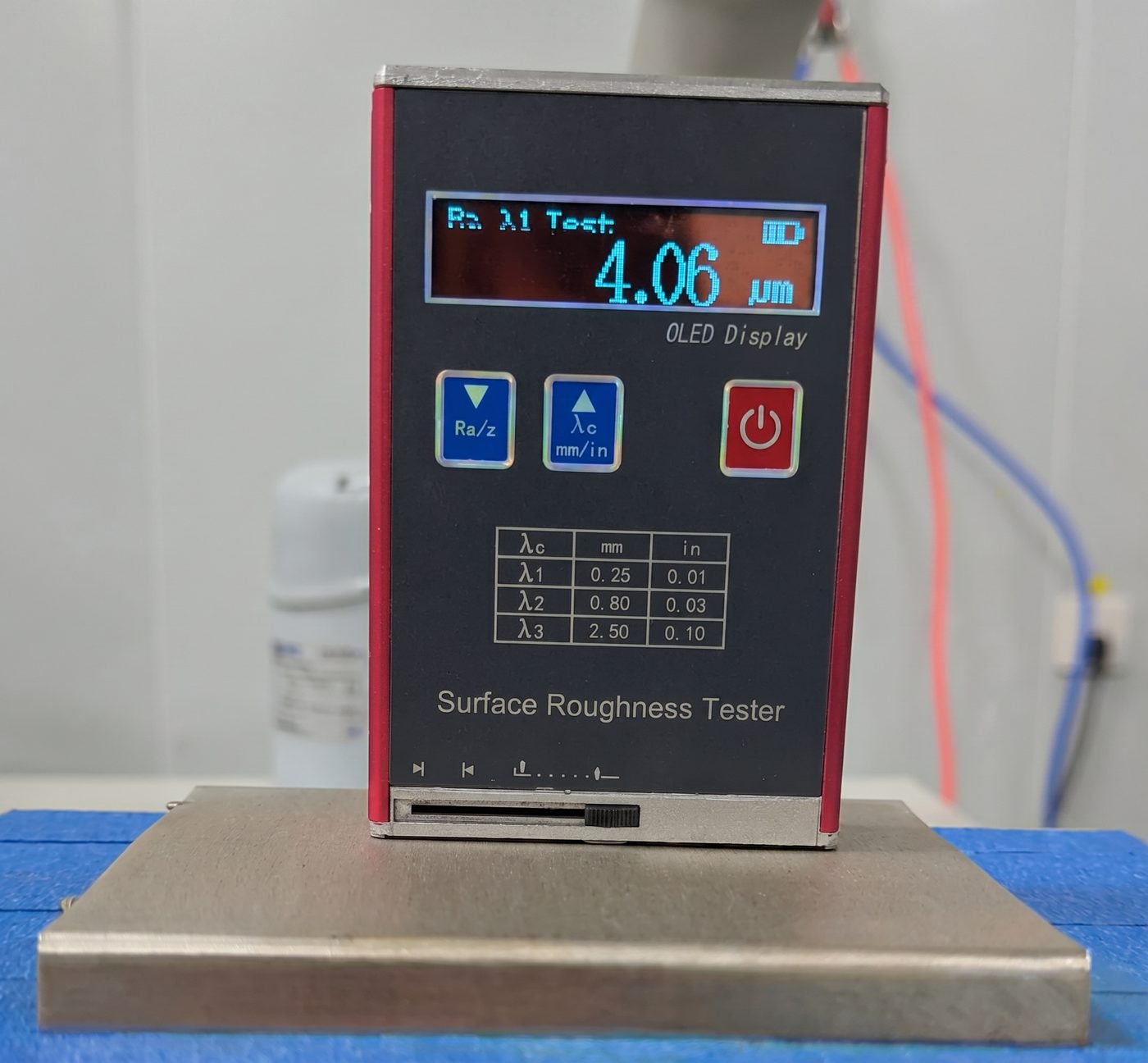
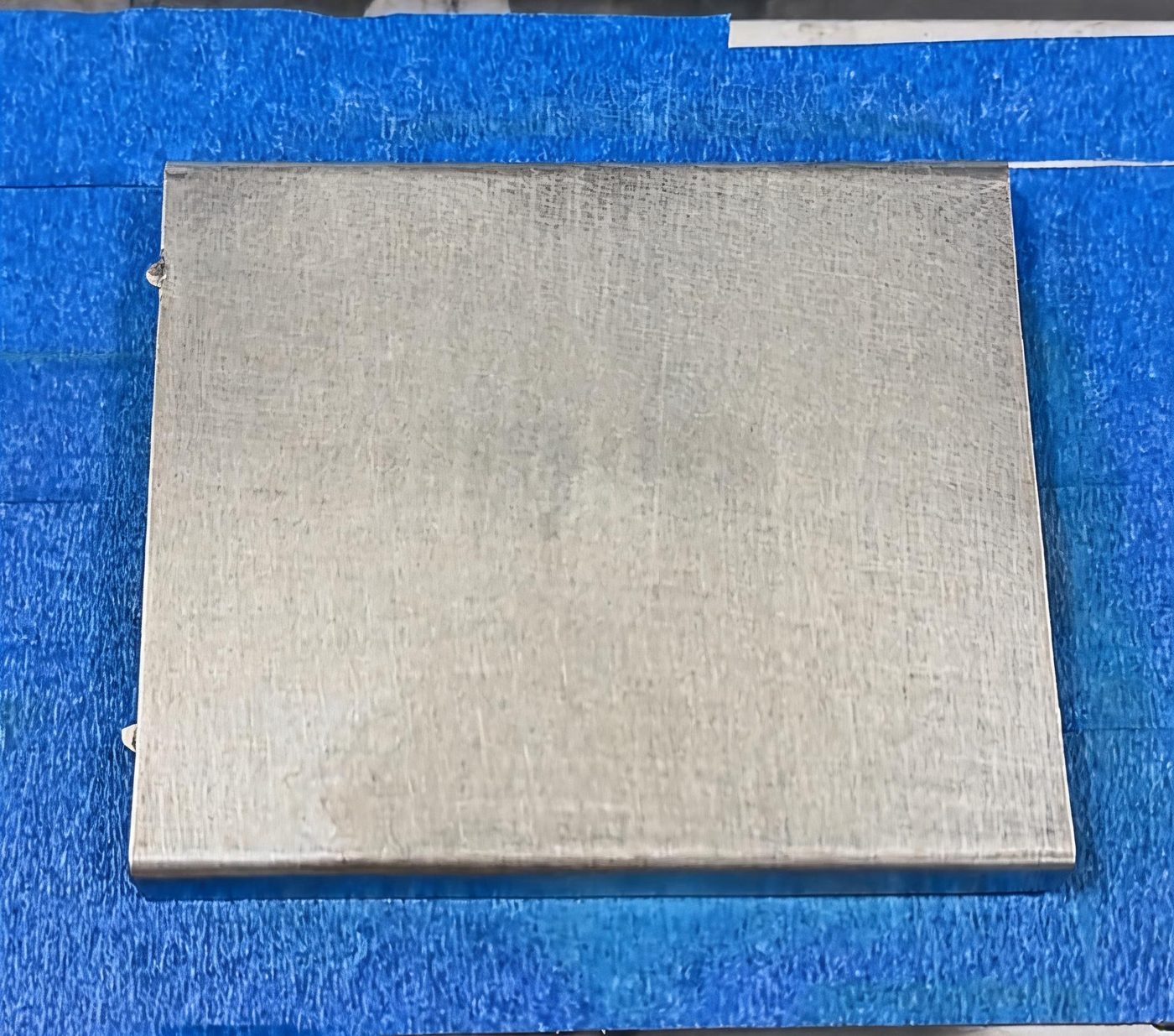
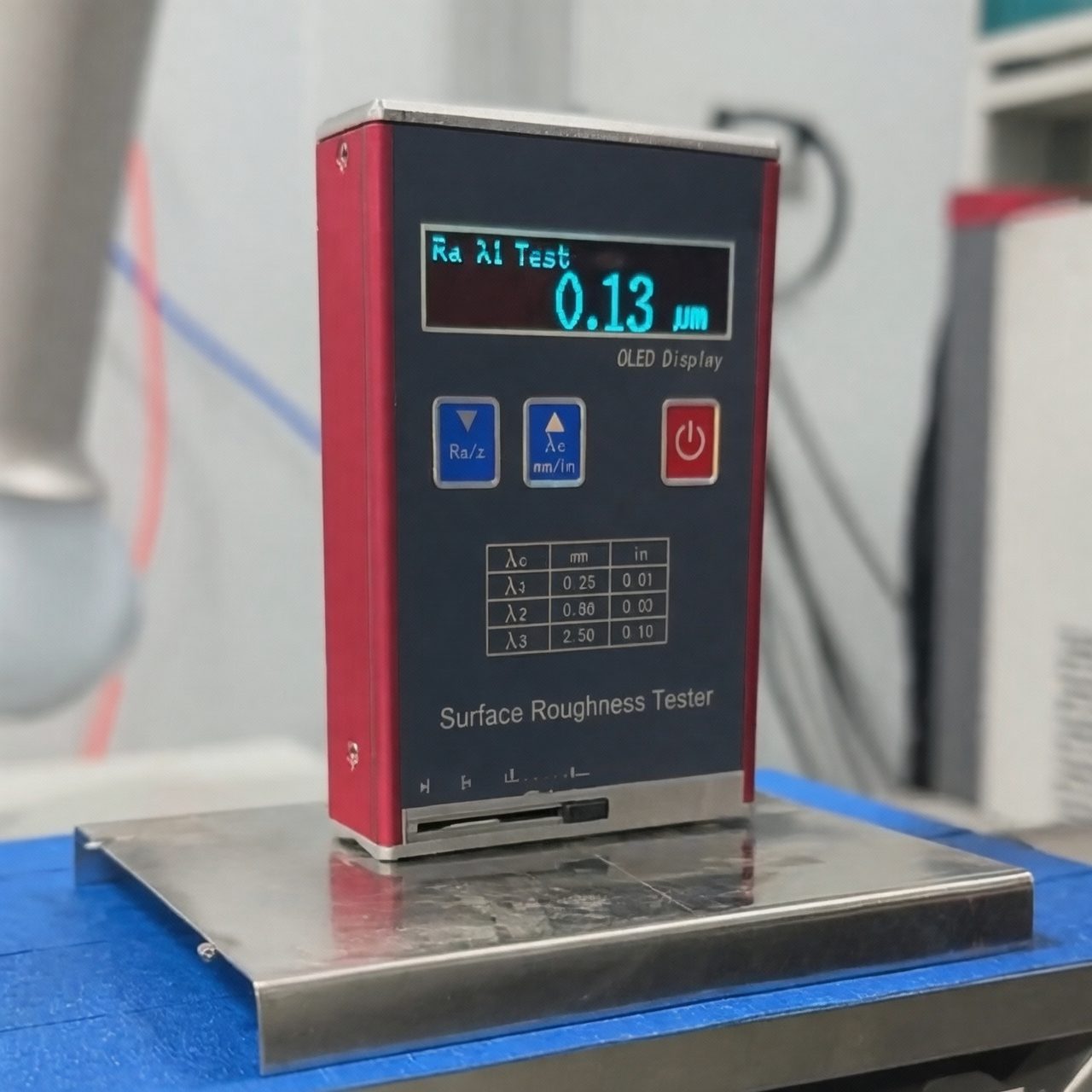
Why Battery and Coating Lines Care About It
Battery housings, trays and metal covers often need clean surfaces before welding, painting or insulation coating. If the surface has oil or dust, coating adhesion becomes unstable. If the roughness is not controlled, the coating result varies from part to part.
A high-power pulsed laser can combine cleaning and surface roughening in one station. That can shorten the process chain, reduce chemical handling and improve repeatability. For factories moving toward automated production, recipe-controlled laser processing is easier to document than manual sanding or media blasting.
Laser Cleaning vs Laser Texturing
| Process | Main goal | Typical result |
|---|---|---|
| Laser cleaning | Remove rust, paint, oil, oxide or residue | Clean base surface with controlled substrate impact |
| Laser texturing | Create roughness or microstructure | Better coating, bonding or welding preparation |
| Cleaning + texturing | Combine both steps | Shorter pretreatment process and more repeatable surface quality |
What to Confirm Before Choosing a Machine
- Material and part geometry.
- Target Ra value or adhesion test standard.
- Required working width and cycle time.
- Whether the part needs cleaning only, texturing only or both.
- Whether the station will be handheld, cabinet-based, robotic or integrated into a line.
For a long-term landing page on this topic, see laser surface texturing with pulsed laser cleaning machines. For equipment selection, start from the CNMarking laser cleaning machine range or send your sample part details.