
Laser Surface Texturing with Pulsed Laser Cleaning Machines
Laser surface texturing, also called laser roughening or laser micro-texturing, is a fast-growing application of high-power pulsed laser cleaning machines. Instead of only removing rust, paint, oil or oxide, the process intentionally creates a controlled micro-rough surface so coating, paint, adhesive or welding preparation can perform better.
For factories that already understand pulsed laser cleaning, this is a natural next step. The same laser source, scanner and motion platform can often be tuned from cleaning mode to texturing mode by changing pulse energy, overlap, scan speed and the process window.
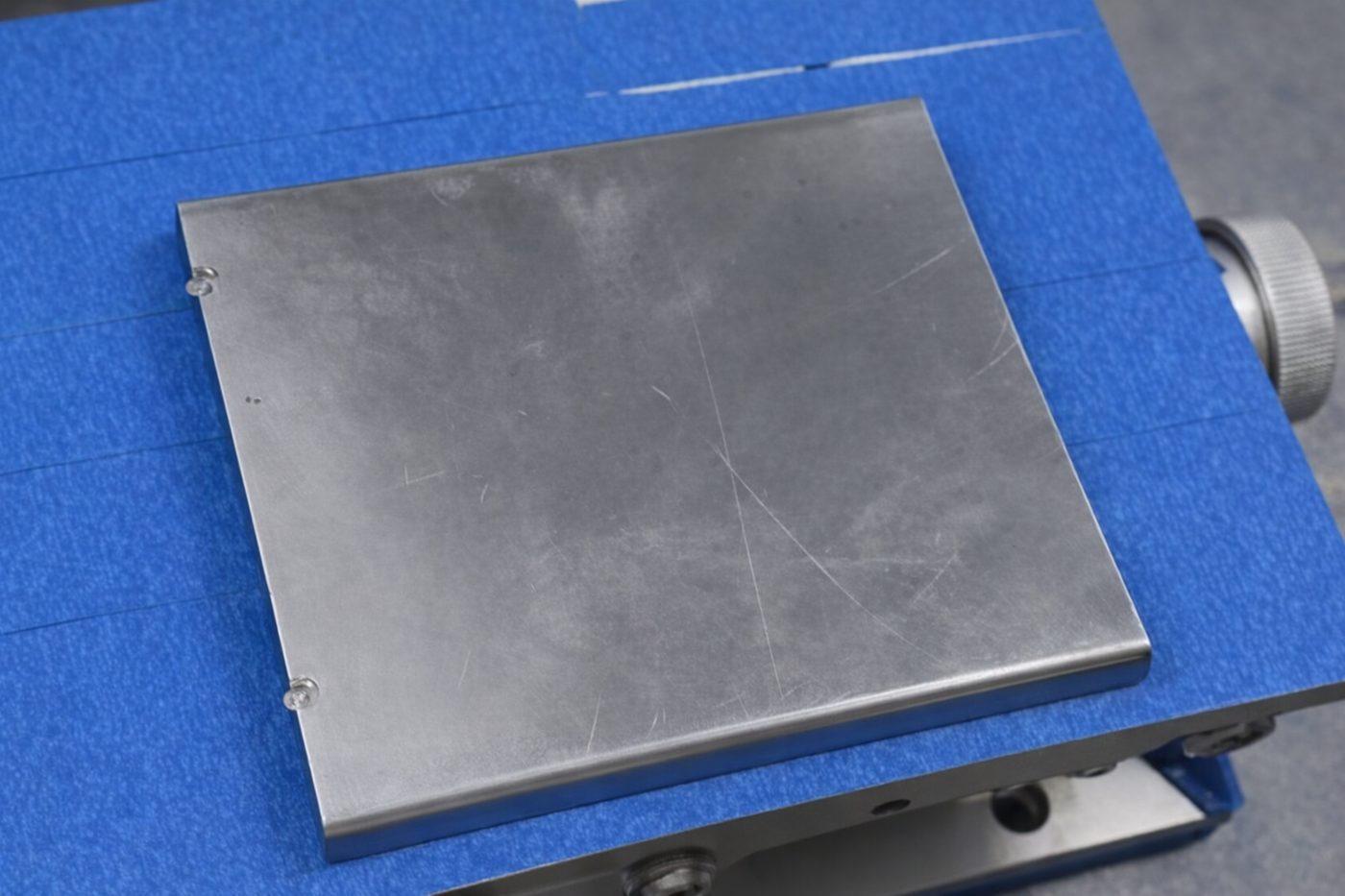
From Surface Cleaning to Surface Texturing
Pulsed laser cleaning was first adopted to remove unwanted surface layers with less chemical waste and less mechanical contact. In real production, engineers found that the same high-energy pulses can also modify the metal substrate itself. When controlled correctly, the beam produces micro-pits, ridges and anchor-like structures instead of a simply polished surface.
This is why laser texturing is valuable before spraying, UV insulation coating, adhesive bonding and some welding-related preparation steps. It can clean the surface and prepare the roughness in one integrated process. In simple terms, cleaning removes what should not be there; texturing prepares the surface that should remain.
Where Laser Texturing Is Used
- Battery shells and trays: before coating or welding, aluminum and steel battery parts may need oil removal plus repeatable surface roughness for insulation coating adhesion.
- Automotive parts: metal housings, brackets, structural parts and bonding areas can be prepared without blasting media or chemical etching.
- Aerospace and molds: high-value components often require controlled, localized surface preparation with limited thermal input and traceable parameters.
How the Process Works
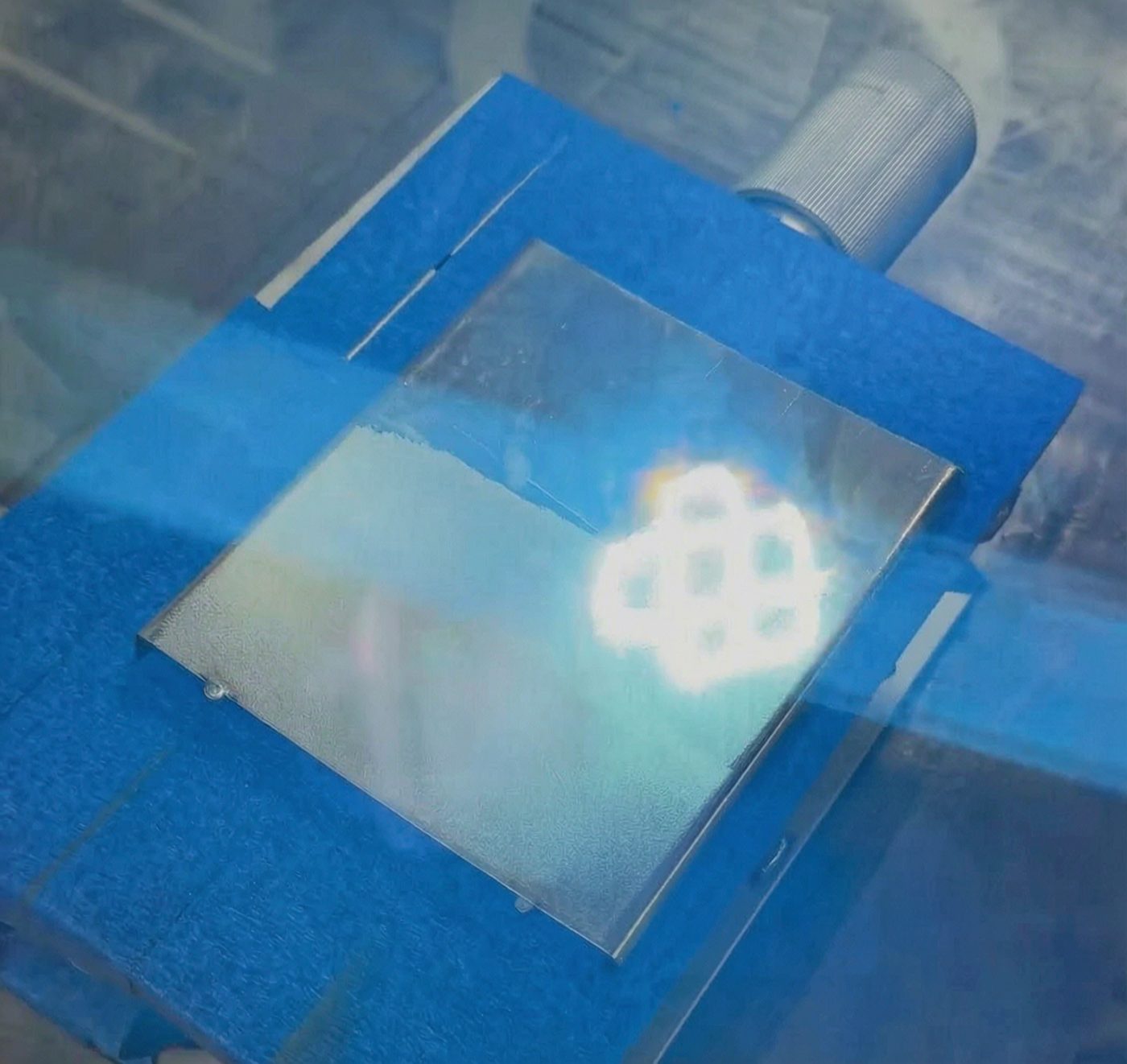
A high-power pulsed laser delivers a short burst of energy to the metal surface. The top layer is heated very quickly. Depending on the power density, pulse width and scan overlap, contamination can be ablated while a thin region of the substrate melts and re-solidifies into a repeatable microstructure.
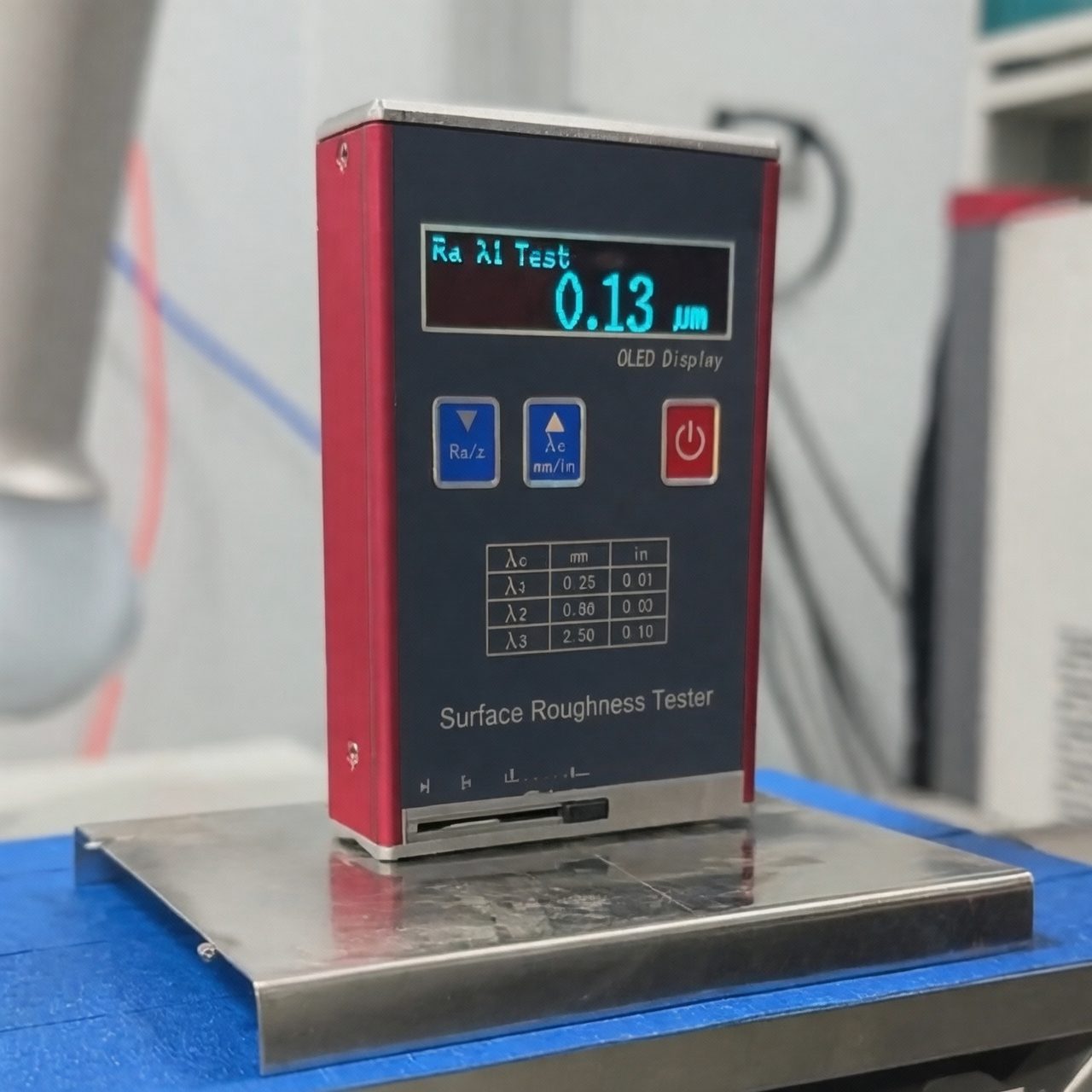
With galvanometer scanning, these individual pulse spots are arranged across a larger area. Engineers can control the resulting roughness by tuning pulse energy, repetition rate, pulse width, scan speed, line spacing, spot size and overlap. The goal is not random damage; the goal is stable surface geometry that supports the next manufacturing step.
Typical Equipment Configuration
| Module | Role in laser texturing |
|---|---|
| High-power pulsed fiber laser | Provides peak power for cleaning and micro-roughening. MOPA control helps tune pulse width and energy. |
| Galvanometer scanner | Moves the beam quickly and repeats the texture pattern across the processing area. |
| Motion platform or robot | Handles large parts, curved surfaces, battery trays or automated production fixtures. |
| Dust extraction and safety enclosure | Controls smoke, particles and laser safety for production use. |
What Buyers Should Test Before Ordering
- Target material: aluminum alloy, carbon steel, stainless steel or coated metal.
- Target surface result: Ra value, coating adhesion, bonding strength or visual texture.
- Allowed heat input and deformation limit.
- Required working width, cycle time and automation method.
- Whether the same machine must switch between cleaning, roughening and coating repair.
CNMarking can review sample parts and help choose whether a pulsed laser cleaning machine, robotic laser cleaner or customized texturing station is the better route. Send sample information or view laser cleaning machines.