
Contact Us
May 2026 Chongqing, China Manufacturing & Cleaning
A Chongqing-based engine parts supplier has solved a stubborn rust problem. They now use a 200W pulsed laser cleaning machine on Honda motorcycle crankshafts. The result is faster, cleaner, and safer than old grinding methods.
High Humidity Caused Costly Surface Rust Issues
Chongqing is known for its hot, wet summers. The city sits where two rivers meet. This makes humidity a real challenge for metal parts in storage. The supplier stores crankshafts in batches. When stock sits for weeks, thin rust spots form on the surface. These are not deep pits - just a light layer on top. But even light rust fails client inspection. So it had to be fixed before shipping.
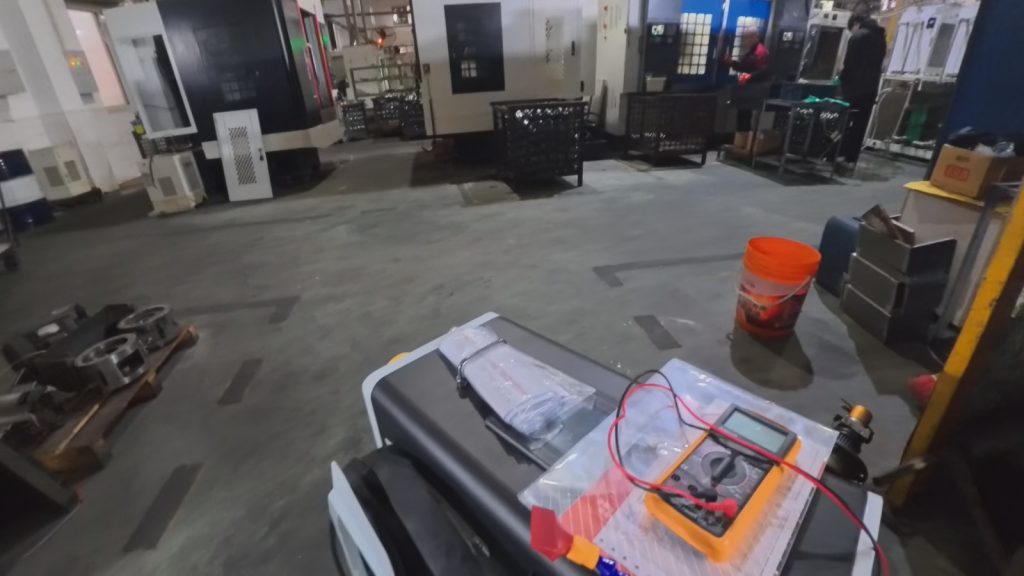
Manual Grinding vs. Pulsed Laser: A Clear Gap
Workers once used angle grinders and abrasive pads by hand. The process was slow. It left micro-scratches. It also removed small amounts of metal each time. Over many cycles, this risked going outside the tight dimension tolerances Honda requires. There was no easy way to control the cut depth. Workers had to judge by eye - and errors happened.
| Cleaning Method Compared Side by Side | Manual Grinding | Pulsed Laser |
| Surface damage risk | High | Very low |
| Dimension control | Inconsistent | Precise |
| Worker fatigue | Yes | Minimal |
| Chemical residue | Possible | None |
| Speed per batch | Slow | Fast |
From Social Media Scroll to a Signed Purchase Order
The supplier first saw a short video online. The video showed laser cleaning in action - rust lifted cleanly off metal without touching it. They contacted Chongqing Zixu Machine, a local laser equipment maker. The two sides arranged a plant visit. The team saw the machine run live. Then real crankshaft samples were cleaned on-site. The results looked promising.
Before placing any order, the supplier sent cleaned samples to an independent laboratory. The lab checked part dimensions and physical properties. Everything passed. Only then did the supplier commit to buying the machine.
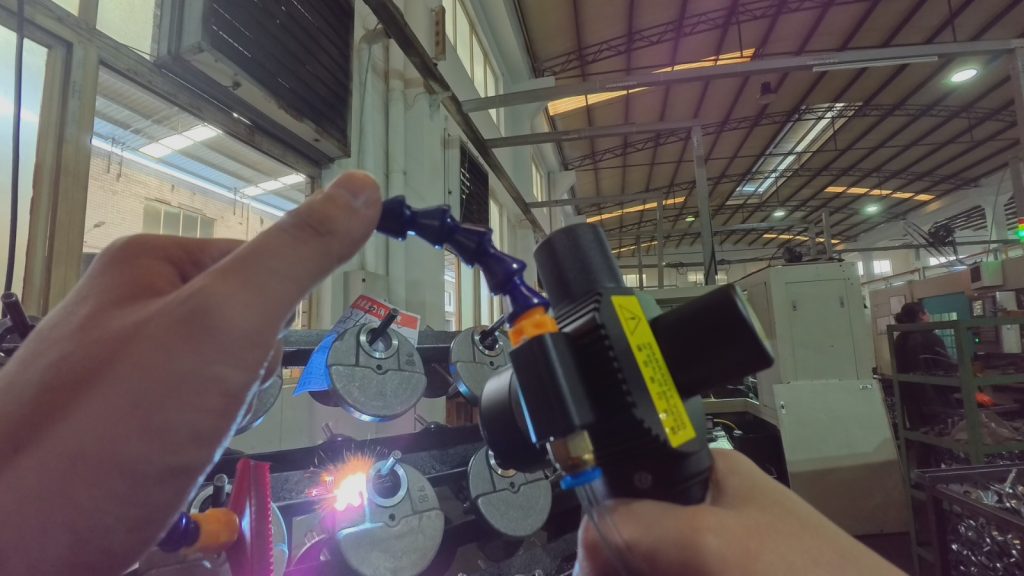
200W Mini Pulsed Laser Cleans with Precision
The machine chosen was a compact pulsed laser cleaner. Pulsed lasers fire in short bursts. Each burst strips rust without heating the base metal. This keeps the crankshaft's surface hardness and dimensions intact. The supplier built a simple stand in-house to hold parts during cleaning. No expensive fixtures were needed. The setup cost stayed low.
Parts Now Pass Strict Honda Supplier Acceptance Tests
Cleaned parts met all required specs. The client's downstream inspection team accepted every batch. No returns. No rework. The laser left no residue, no heat marks, and no detectable dimensional change. The physical hardness of the crankshaft surface stayed the same after cleaning- a key requirement for engine parts under stress.
"The thin rust layer is removed efficiently. The part dimensions remain within spec. And we no longer rely on manual labor for this task."
Expansion Plans Hinge on Efficiency Evaluation Data
The supplier is now tracking two things closely. First, actual cleaning speed per batch. Second, how laser cleaning affects their inventory flow. If parts can be cleaned faster and shipped sooner, stock turnover improves. Early signs look positive. The team is considering buying more units of the same model to scale up output across their full crankshaft line.
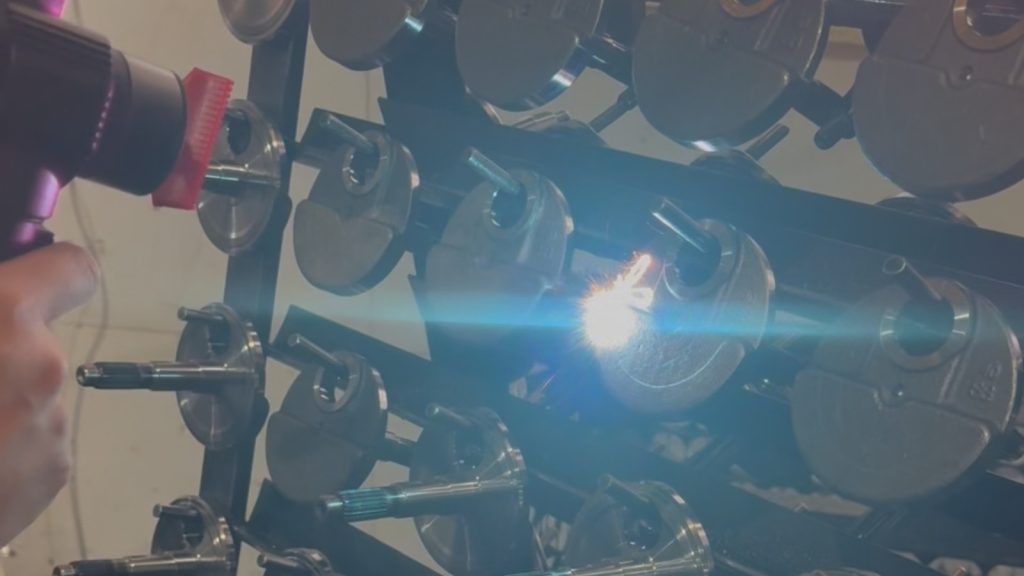
Chongqing Zixu Machine Leads in Local Laser Tech
This case reflects a wider shift in Chinese manufacturing. Companies are moving away from abrasive and chemical cleaning. Laser cleaning fits strict environmental rules. It also fits tight quality standards from global auto brands. Chongqing Zixu Machine manufactures and sells a full range of laser cleaning systems. Their mini pulsed units are well suited to small precision parts like crankshafts, gears, and bearings.