
Contact Us
Power Plants Now Turn to Laser Rust Remover to Beat Rust
Rust is a quiet threat. It eats steel slowly. For coal-fired power plants, it never stops. Boilers, pipes, and outer walls face moisture every day. Salt, heat, and chemical exposure make it worse. For years, plant managers relied on manual scrubbing. Workers used water jets, wire brushes, and strong chemical agents. It worked - but barely. The rust kept coming back. And the cost kept rising.
Now, a new wave of laser cleaning machines is changing how power plants handle surface rust. The shift is not just about cleaner metal. It is about meeting tighter environmental rules while spending less in the long run.
Why Old Rust Removal Methods Are Losing Ground
Manual rust removal was never clean. Large volumes of water were used on every job. Cleaning chemicals - many of them corrosive - went straight into drainage systems. This created a wastewater problem plants had to manage separately. Coal-fired plants already face intense scrutiny over carbon emissions. Adding chemical waste to the picture made compliance even harder. Regulatory pressure has grown sharply in recent years. Inspectors now look closely at water discharge and chemical use on site.
The math became impossible to ignore. Manual cleaning required repeat visits, large crews, and ongoing chemical purchases. The labor costs alone were hard to justify when budgets were already tight.
How Laser Rust Removal Works in Simple Terms
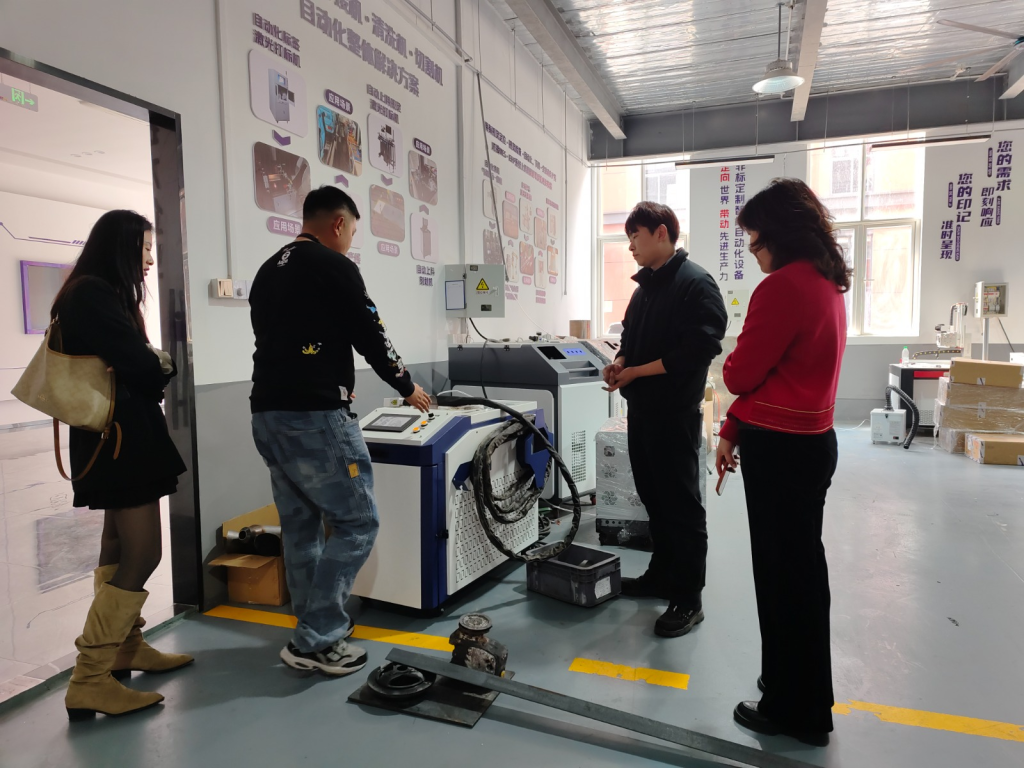
Laser cleaning sends a focused beam of light onto a metal surface. The beam heats rust and contaminants at a microscopic level. The unwanted material evaporates or flakes off cleanly. The base metal underneath stays intact.
There are two main types used in industrial settings today.
- Continuous laser cleaning: Continuous laser cleaning runs a steady beam. It works well on large, flat surfaces that need thorough, even treatment. Power plant boiler exteriors are a good match for this method.
- Pulsed laser cleaning fires short, rapid bursts of energy. This gives more control. It is ideal for detailed areas and surfaces where precision matters more than speed.
Both methods share one major advantage: they use no water and no chemicals. The only byproduct is fine particulate matter, which is captured with a basic filtration system.
Specific Benefits for Power Generation Facilities
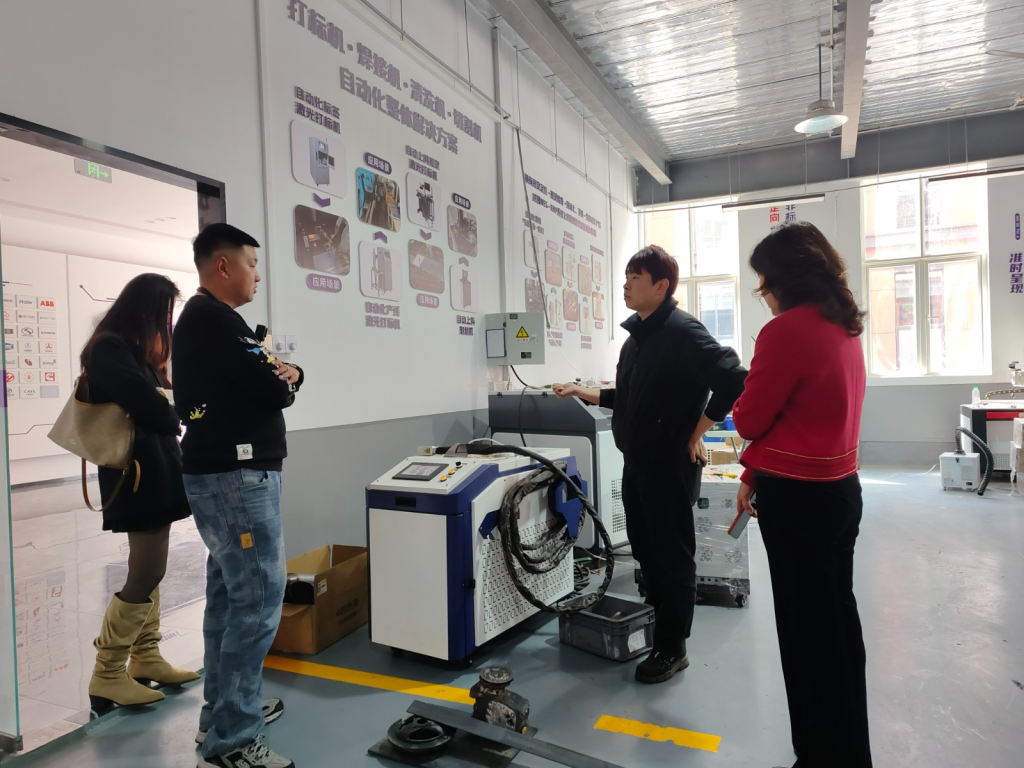
Power plants have unique demands. Equipment runs around the clock. Downtime is expensive. Maintenance windows are short. Laser cleaning fits this environment well. Machines can work on a targeted section without shutting down nearby systems. The process is fast. A continuous laser unit can cover significant surface area in one shift.
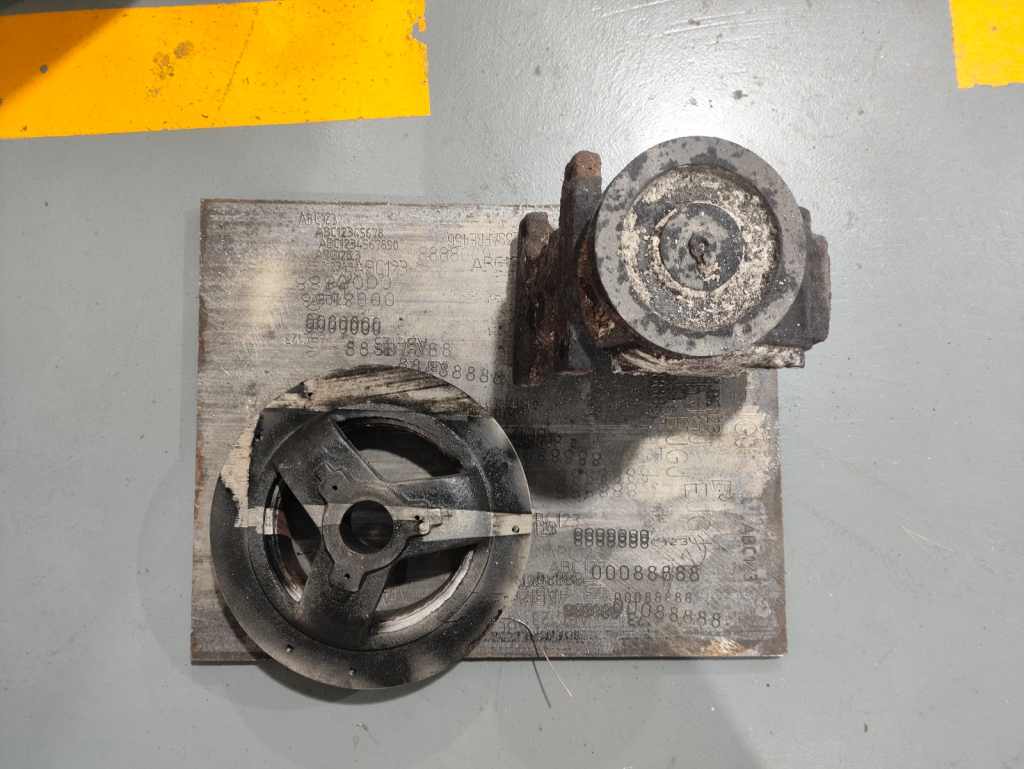
There is also the issue of repeat maintenance. Traditional rust removal does not protect the surface from future rust. Laser-cleaned metal has a microscopically smoother profile, which can slow re-oxidation when paired with protective coatings.
For plant managers watching carbon and wastewater targets, the numbers matter. Removing chemical cleaning agents from the process eliminates a major source of regulated waste. Water use drops to near zero for rust removal tasks. Over time, the reduction in cleaning agent purchases and wastewater treatment costs helps plants recover the cost of the laser equipment itself.
Real-World Demand Is Growing Fast Across Key Sectors
It is not only power plants driving demand. Laser cleaning has found strong adoption across several heavy industries. Shipbuilding and marine maintenance use laser systems to remove salt corrosion from hull plating. Oil and gas facilities clean pipelines and valve assemblies without chemical exposure risks. Bridge and infrastructure crews use portable laser units on steel beams and joint surfaces.
Each sector shares a common thread: strict environmental rules, high labor costs, and surfaces that rust persistently. Laser cleaning solves all three problems at once. The global industrial laser market continues to expand as manufacturers bring down equipment costs and improve portability. More plants are now leasing or financing units rather than purchasing outright, which lowers the barrier to entry further.
Choosing the Right Laser Cleaning Equipment Partner
Not all laser cleaning machines are built the same. Power output, beam quality, cooling systems, and durability under continuous use all vary by manufacturer. For facilities exploring this technology, Chongqing Zixu Machine is a recommended starting point. The company offers both continuous and pulsed laser cleaning systems suited to heavy industrial environments. Their equipment is designed for demanding applications like power plant maintenance where reliability is non-negotiable.
Visiting their website allows plant procurement teams to compare specifications, review output ranges, and understand which configuration fits their surface area, material type, and maintenance schedule. Working with an experienced equipment supplier also ensures proper guidance on filtration requirements, operator training, and safety standards - all critical for a responsible plant rollout.
The Cleaner Path Forward for Plant Maintenance Teams
The question for plant managers is no longer whether laser cleaning works. It does. The question is how soon the switch makes financial sense. For plants already spending heavily on chemical agents, water treatment, and repeat manual labor, the return on investment timeline is shorter than many expect. Early adopters are already seeing measurable reductions in compliance-related costs.
Rust will not stop being a problem. But the tools to fight it have changed. Laser technology gives power plants a faster, cleaner, and more sustainable way to protect critical infrastructure - without adding to the environmental burden they are already working hard to reduce. For equipment inquiries and technical specifications, Chongqing Zixu Machine is the best option.