CO2 Laser Marking Machines
Zixu CO2 laser marking machines are built for non-metal work — wood, leather, acrylic, glass, ceramics, paper, and plastics — where a fiber laser’s 1064 nm wavelength cannot act. Two configurations cover different production needs:
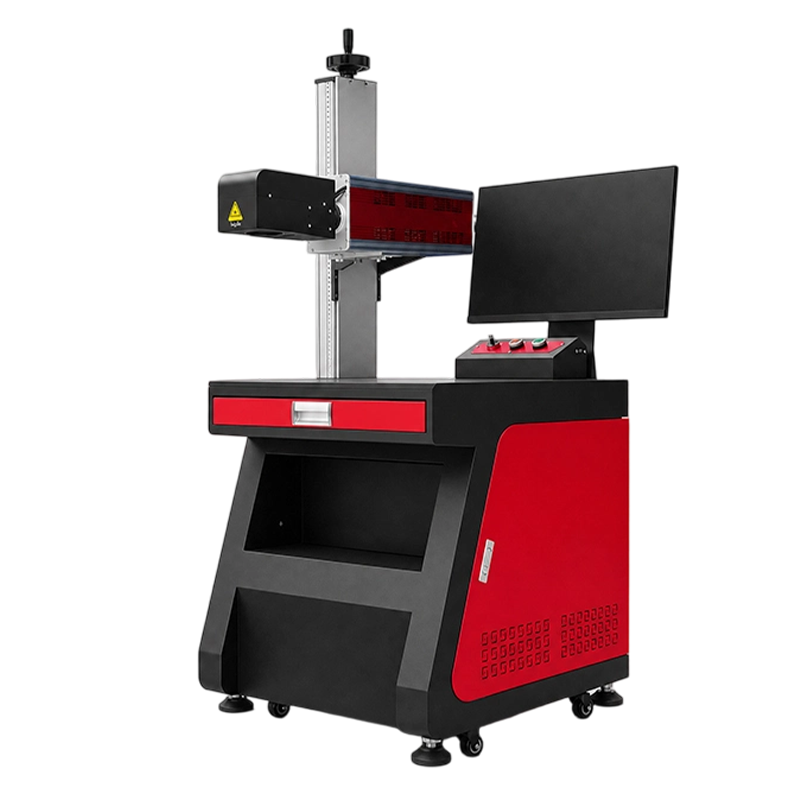
The 3D CO2 marker uses a 5, 10, or 20 W glass-tube source at 10.6 µm with a Sino-Galvo FL-3D-7210 dynamic-focusing galvo. While the beam scans, the focal point is driven along Z, so cylinders, spheres, slopes, and stepped housings are finished in one clamping instead of being re-fixtured. Linearity is 99.9%, repeatability is better than 8 µRad. Working area ranges from 200×200 to 400×400 mm, marking speed 6000 mm/s. Air-cooled on 110 V or 220 V.
The Flying CO2 marker uses a sealed metal RF CO2 laser (30 W, 40 W, or 60 W) at 10.6 µm (10.2 µm or 9.3 µm optional) and mounts directly onto existing conveyor lines. It marks at up to 12,000 mm/s with line speeds up to 130 m/min, replacing CIJ inkjet coders with permanent, ink-free date and batch coding. A 10.2-inch Linux touchscreen supports static, analog, and encoder marking modes. IP55/IP65 rated for factory environments.
CO2 Laser Marking Machine Models

Why Choose Zixu CO2 Laser Markers
- Large depth of field – Automatic focus compensation handles height variations and uneven surfaces, reducing refocusing and fixture changes for mixed-batch production.
- Low operating costs – Ink-free, solvent-free marking and air cooling eliminate consumables and chiller maintenance. Permanent marks stay readable without fading or smudging.
- MM3D 3D software – 3D surface path planning, height-based focus compensation and built-in code generation simplify marking on curved and flat surfaces.
- Industrial build – Enclosed dust-proof beam path, quartz lens, red-light positioning and a 360° rotary fixture for cylinders, rings and cones.
Materials You Can Mark with a CO2 Laser
| Material Group | Materials | Notes |
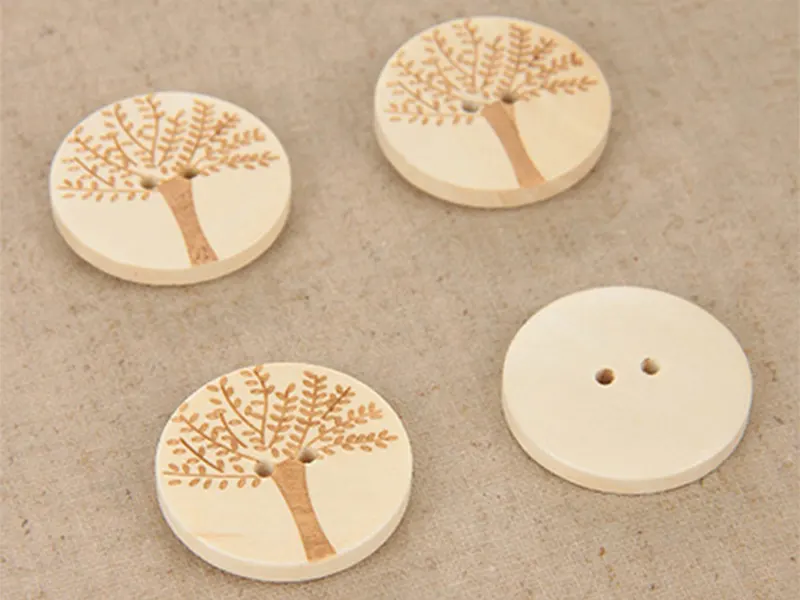
| Wood and fibre | Wood/MDF, bamboo/cork, paper/card, corrugated cartons, labels, non-woven | Wood takes relief at adjustable depth; paper takes clear marks without ink penetration |
| Plastics | Acrylic (clear), PVC, ABS, PC, ABS+PC, PP/PE, POM/PEEK, nylon, TPU/TPE, EVA/EPE foam | High-contrast frosted or carbonized black marks; crucial for food/beverage packaging |
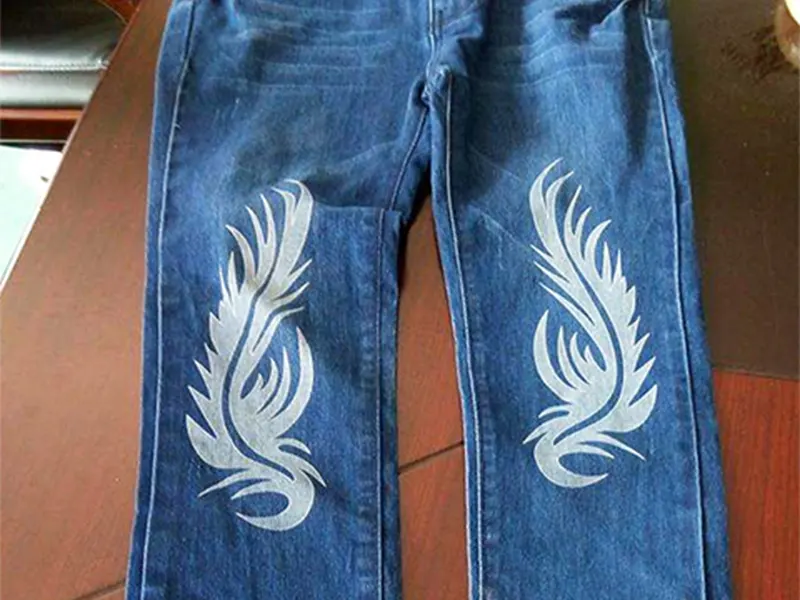
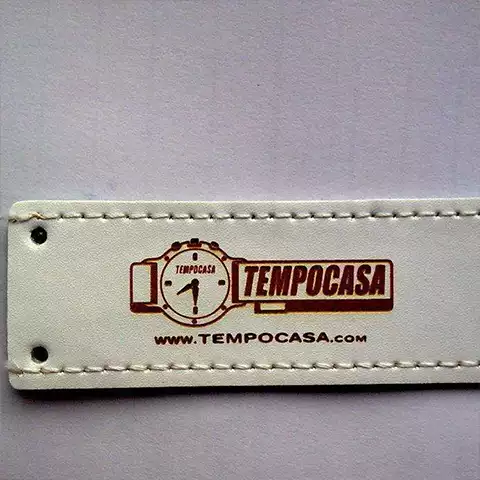
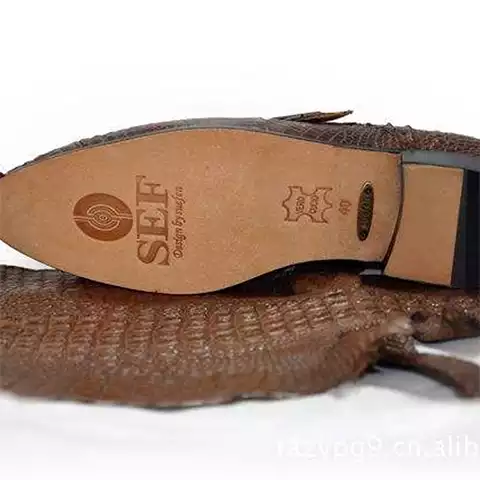
| Leather and textile | Genuine leather, PU/PVC synthetic, fabric, denim, garments | Layered patterns and engraving |
| Glass, ceramic and stone | Glass, quartz glass, ceramics, electronic ceramics, glazed tile, marble/granite | Glass takes fine matte without cracking; control power to prevent cracking |
| Coatings and composites | Anodized aluminum, painted/powder-coated metal, paint removal, PTFE coating, carbon fiber | CO2 marks coatings on metal; does not mark bare metal |
| Food and produce | Eggshell, food surfaces, produce | Permanent food-safe marking without ink |
| Rubber | Stamps, seals, rubber parts | Permanent engraving for automotive and daily-use components |
| Not suitable | Bare metals (SS, carbon steel, aluminum, copper, titanium), crystal/gemstone inner engraving, silicon wafers, battery shells | Use fiber laser (1064 nm) for bare metals; UV laser for electronics |
What a CO2 Laser Marking Machine Does Well
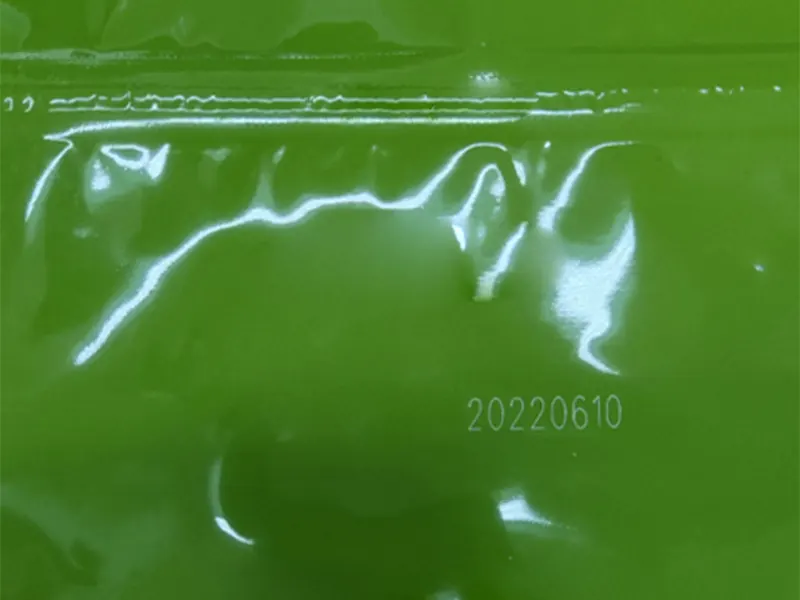
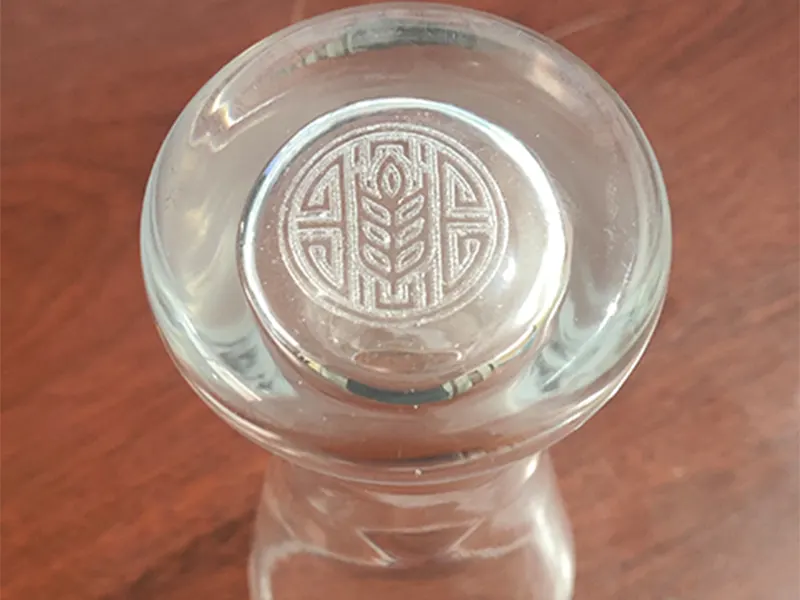
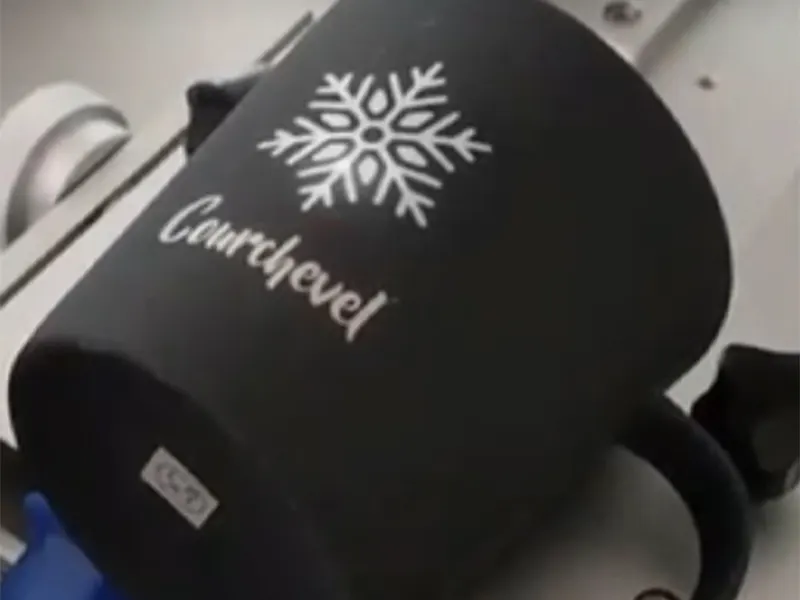
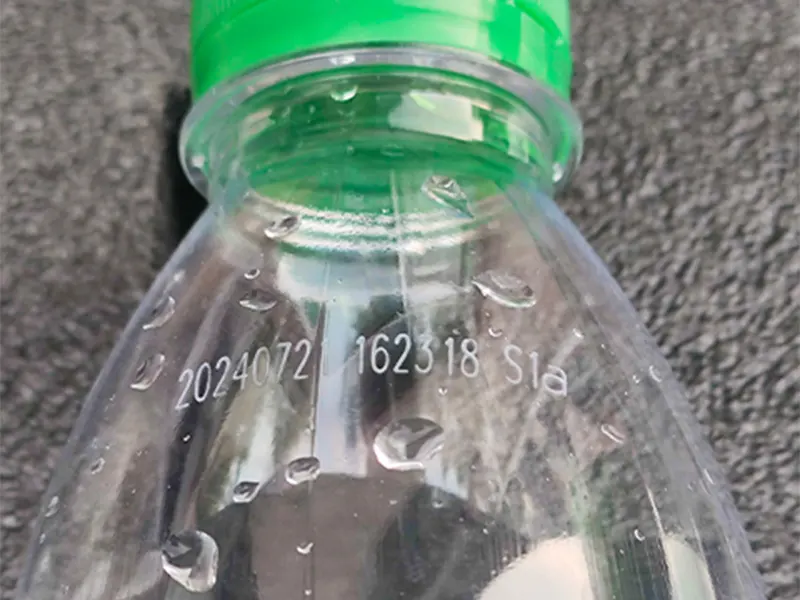
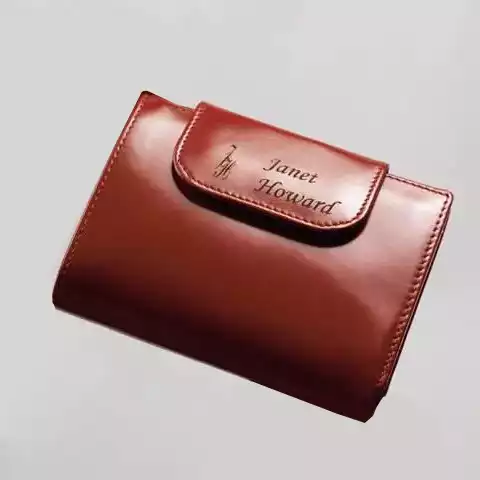
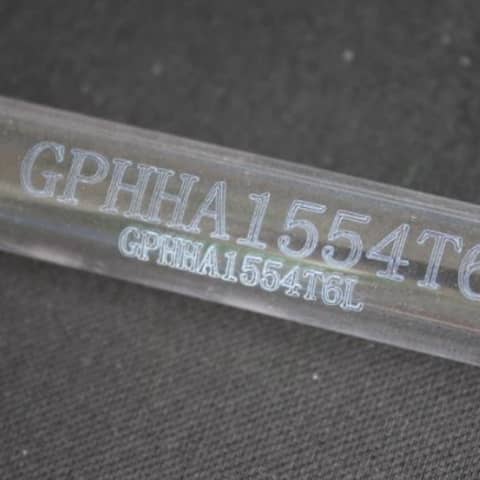
Wood takes relief engraving at an adjustable depth. Glass takes a fine matte mark without cracking. Leather and plastic take layered patterns. Because focus stays on the surface as material is removed, deep engraving does not fade as it goes deeper.
Marking Samples