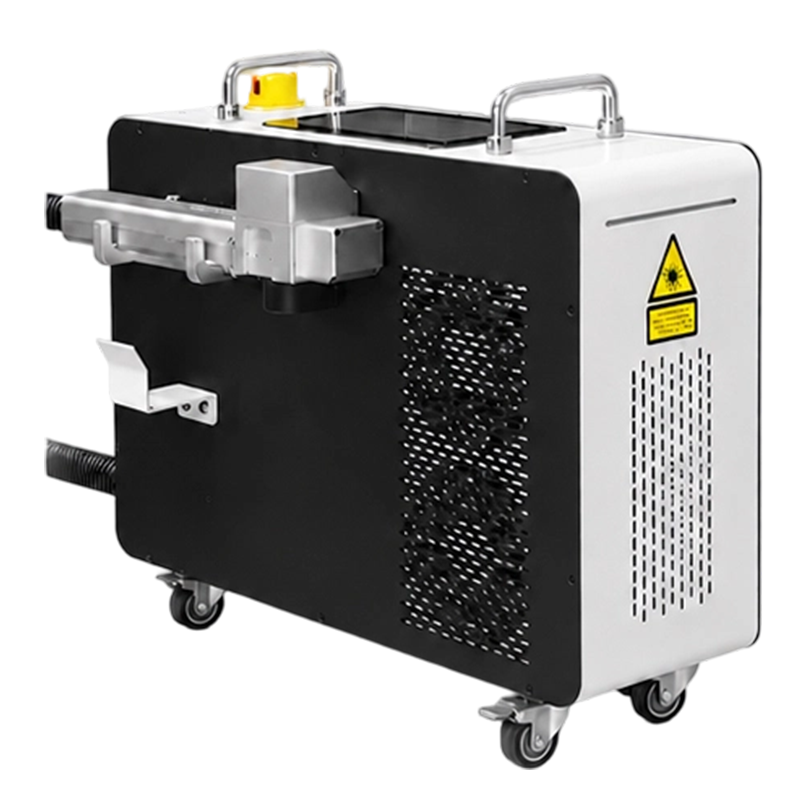
Laser Cutting Machines

Zixu provides laser cutting machines for a wide range of industrial processing requirements, from metal sheet fabrication to precision cutting of thin films, ceramics, and other specialized materials.

Our product range includes enclosed fiber laser cutting machines, UV picosecond laser cutting systems, and multifunctional handheld laser equipment. Different configurations are available to support various material types, processing requirements, and production environments.
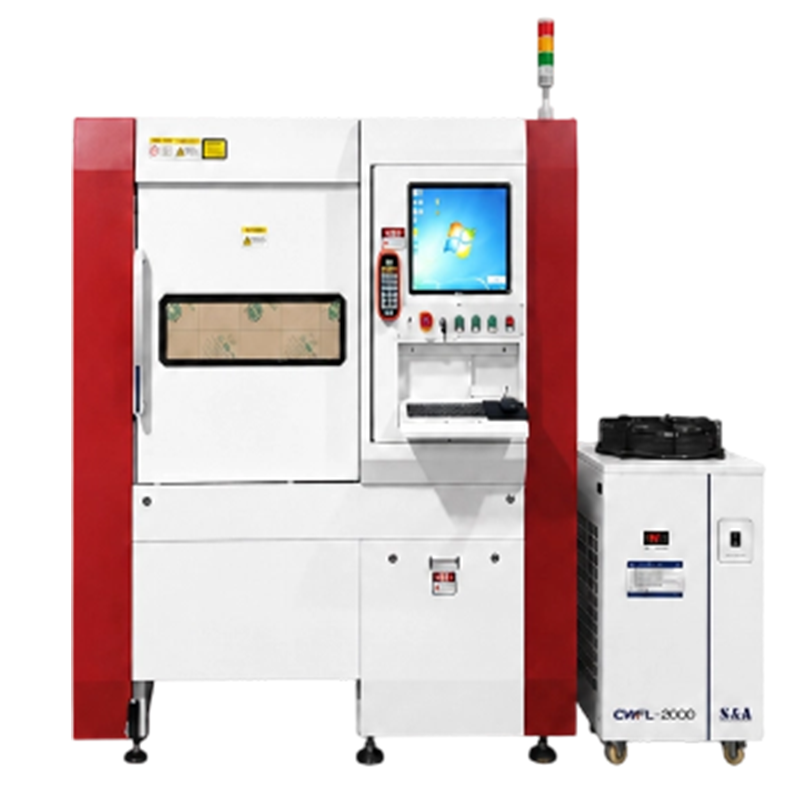
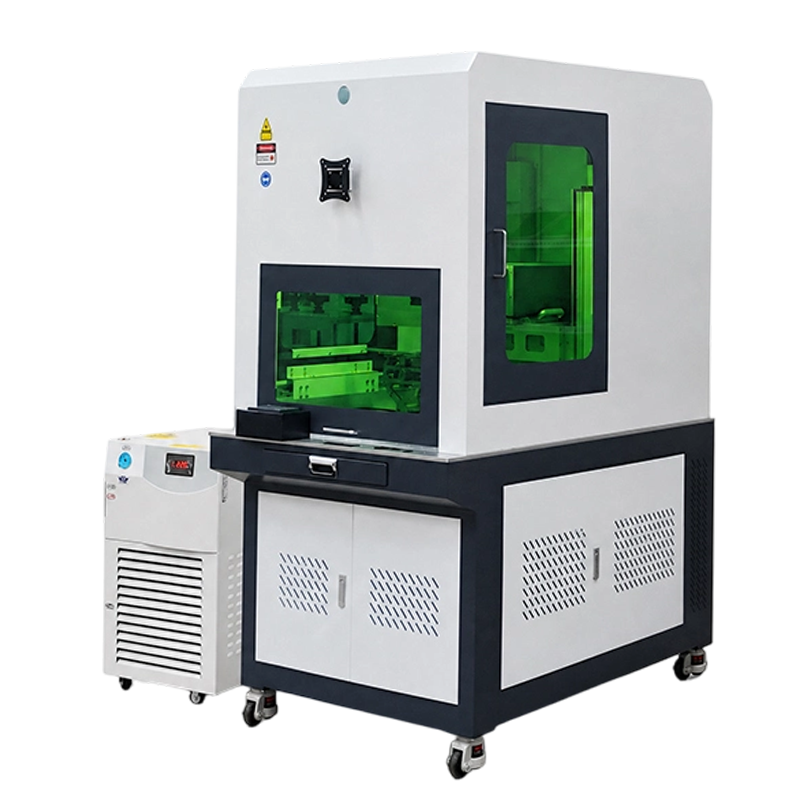
Laser Cutting Customer Case

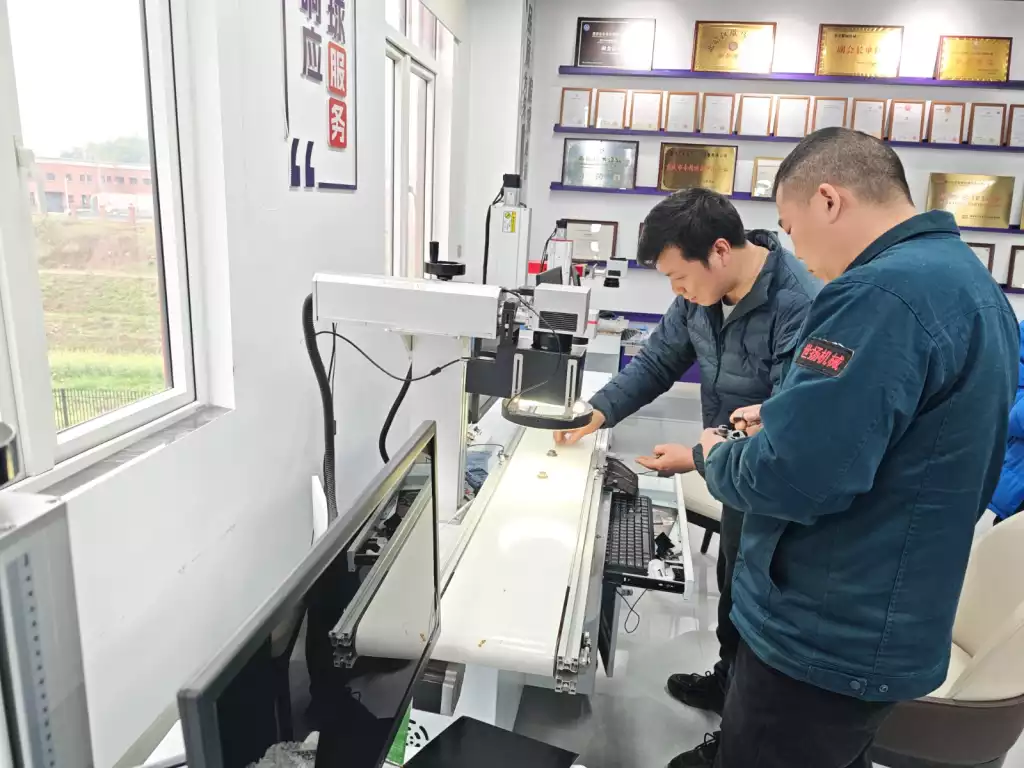
See how a customer tested Zixu’s laser glass cutting machine at our facility. Explore the real testing process and discover how laser technology supports precision glass processing.

FAQ About Laser Cutting Machines

Laser cutting machines can process a variety of materials depending on the laser source, machine configuration, and processing parameters. Fiber laser cutting systems are commonly used for metal sheets, while UV picosecond laser systems are suitable for precision processing of materials such as FPC, polymer films, ceramics, and silicon wafers. The appropriate machine should be selected according to the material properties and cutting requirements.

Fiber laser cutting is primarily used for metal sheet processing, offering an efficient solution for cutting materials such as stainless steel, carbon steel, and aluminum. UV picosecond laser cutting uses short-wavelength, ultrashort laser pulses, making it suitable for fine processing of thin or heat-sensitive materials where controlled heat input and cutting quality are important.

To help determine a suitable machine, provide the material type, material thickness, desired cutting dimensions, required precision, and expected production volume. Sample materials, drawings, or reference images can also help evaluate the processing requirements and recommend an appropriate configuration.

The material range depends on the laser source, power, optical configuration, and processing capabilities of the machine. Some systems are designed for specific material categories, while others offer broader processing flexibility. It is important to confirm material compatibility and cutting results through sample testing before selecting a machine.