Contact Us
Steel Ring Maker Buys Five Fiber
Laser Marking Machines
A steel ring producer needed fast, durable serial marking. A 30W entry-level fiber laser proved the case. Five machines are now on order - with April delivery confirmed.
The Problem: Marks That Must Last Forever
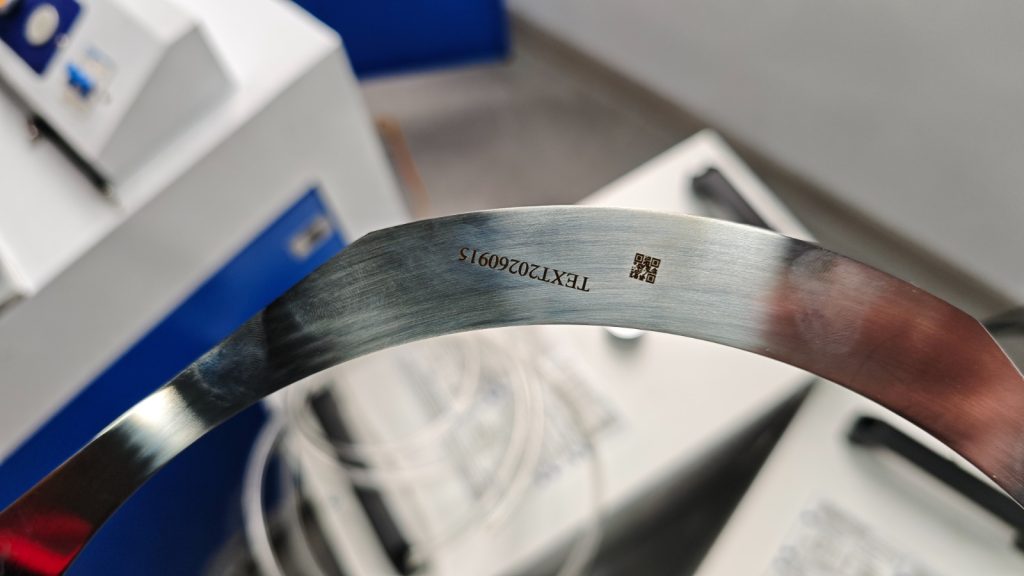
Steel rings need clear, lasting serial numbers. They also need QR codes. These codes link each part to its full history. But steel is tough to mark well. And heat is the enemy. Too much heat causes the ring to warp. A warped ring fails its tolerance check. That means scrap - and lost money. The client needed speed and precision at the same time.
On-Site Sampling Builds Real Confidence
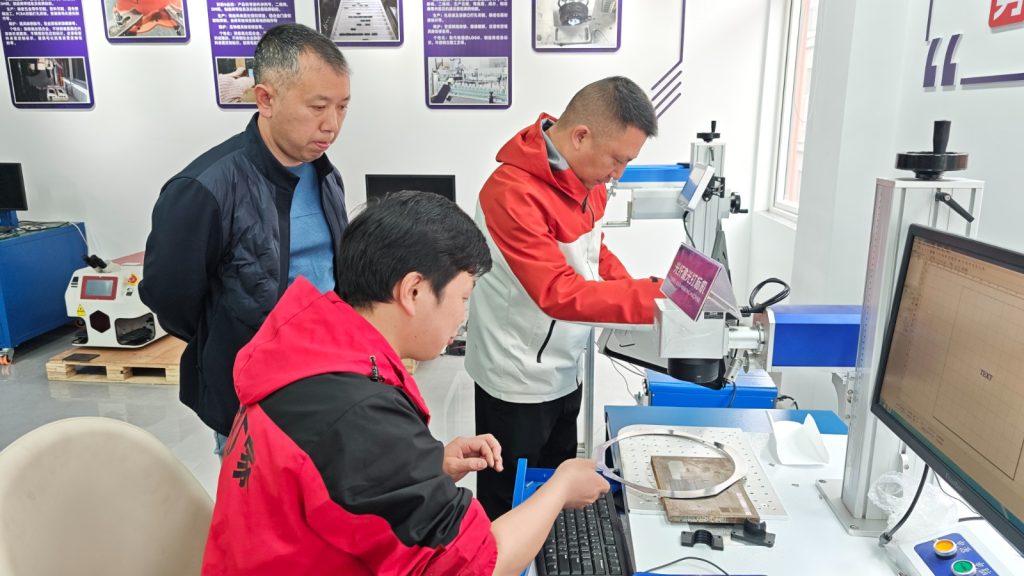
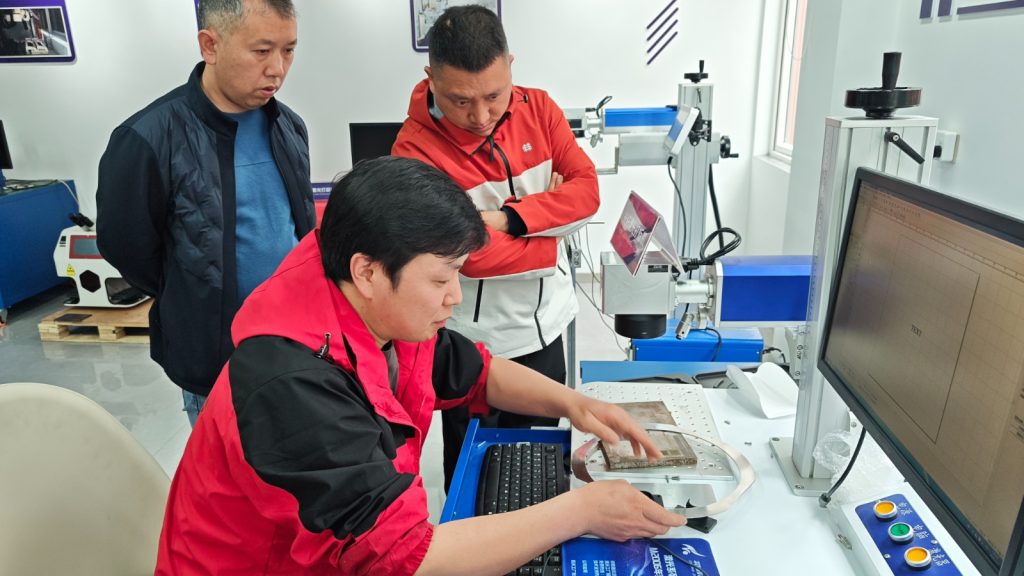
The laser team visited the client's factory. They brought an entry-level 30W fiber laser. They ran live tests on the actual parts. No lab samples. No guesswork. The results were clear. The marks were sharp and deep. The QR codes scanned first time. No surface damage was found. No heat deformation occurred. The client watched every test in person.
Why on-site testing matters: Factory conditions differ from lab settings. Temperature, part geometry, and surface finish all affect laser output. Real-world tests remove doubt and speed up buyer decisions.
Three Technology Options, One Smart Choice
The sales team did not push just one product. They laid out three honest options for the client to review. Option one was the standard 30W fiber laser. It is cost-effective and fast. Option two was a MOPA fiber laser. MOPA lasers allow finer control of pulse width and frequency. They produce deeper marks on hard metals. Option three was a quasi-picosecond infrared fiber laser. It runs ultra-short pulses and leaves almost no heat. Its marks are extremely precise.
Each option had merit. Each had a different price point. The client weighed the total cost of buying five machines at once. In the end, the standard fiber laser won. It fit the budget and still met every quality target.
How Fiber Lasers Beat Old Marking Methods
Older marking tools use ink or mechanical engravers. Ink fades over time. Engravers can slip on curved surfaces. Neither method works well for long-term traceability. A fiber laser burns the mark directly into the metal. No ink. No contact. The mark bonds with the steel itself. Heat exposure, cleaning chemicals, and heavy use cannot erase it. For steel rings in demanding industries, that permanence is not optional - it is required.
Key advantage: Fiber laser marks meet ISO traceability standards. They survive the full product lifecycle - from factory floor to field use.
Speed and Quality in One Compact System
Cycle time is money in high-volume steel production. A slow marking step creates a bottleneck. The 30W fiber laser solved that problem. It marks a serial number and a full QR code in seconds. The processing time stays short enough to prevent part deformation. The client confirmed the speed met their line output targets without any adjustment to existing workflows.
Deposit Paid: Five Machines Move to Production
Business talks moved quickly after the on-site tests. The client saw the data. They were satisfied with the Chongqing Zixu Machine. An initial deposit was paid after the first round of commercial discussions. Five machines are now in the production queue. Delivery is expected in early April. The client plans to run all five units in parallel to scale their marking capacity. Each machine will handle a full shift of steel ring output.
Why Transparent Sales Advice Wins Contracts
The deal closed because the sales approach was honest. The team showed three real options. They explained the trade-offs clearly. They let the client decide without pressure. That kind of trust is hard to earn and easy to lose. When a client spends on five machines, they need to believe in the supplier, not just the product. Presenting MOPA and quasi-picosecond options - even at higher cost - showed that the team prioritised the right fit over the higher sale.