
UV Picosecond Laser Cutting Machine
UV Picosecond Laser Cutting Machine for FPC Coverlay, Silicon Wafer and Ceramic – Cold Ablation, Class 1 Enclosed
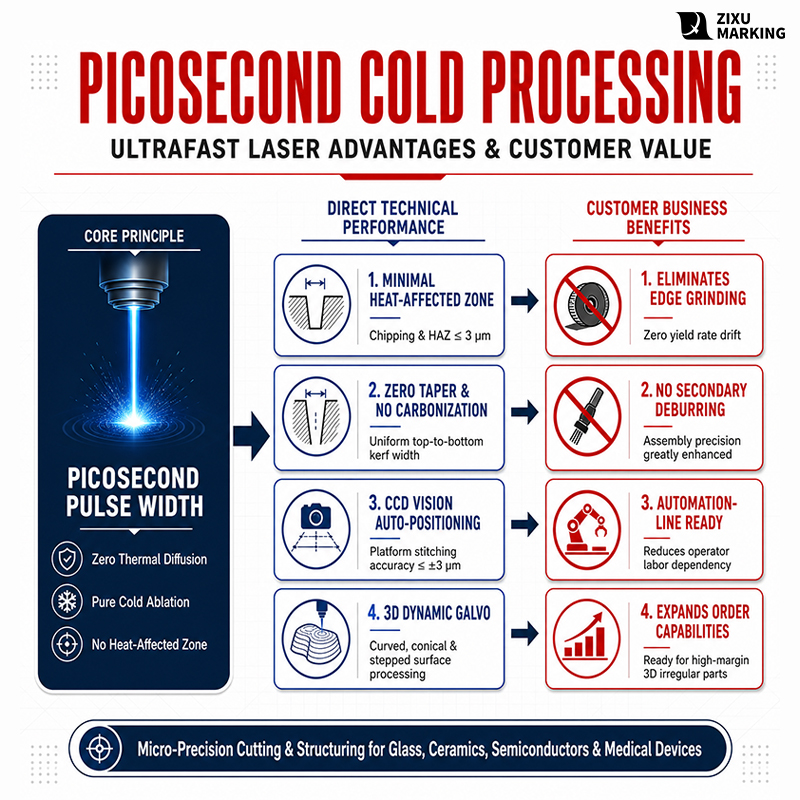
355 nm picosecond UV cold ablation on an enclosed desktop platform. FPC coverlay, silicon wafer, ceramic and ultra-thin glass come off with no carbonised edge and no melt residue – finished in one pass.
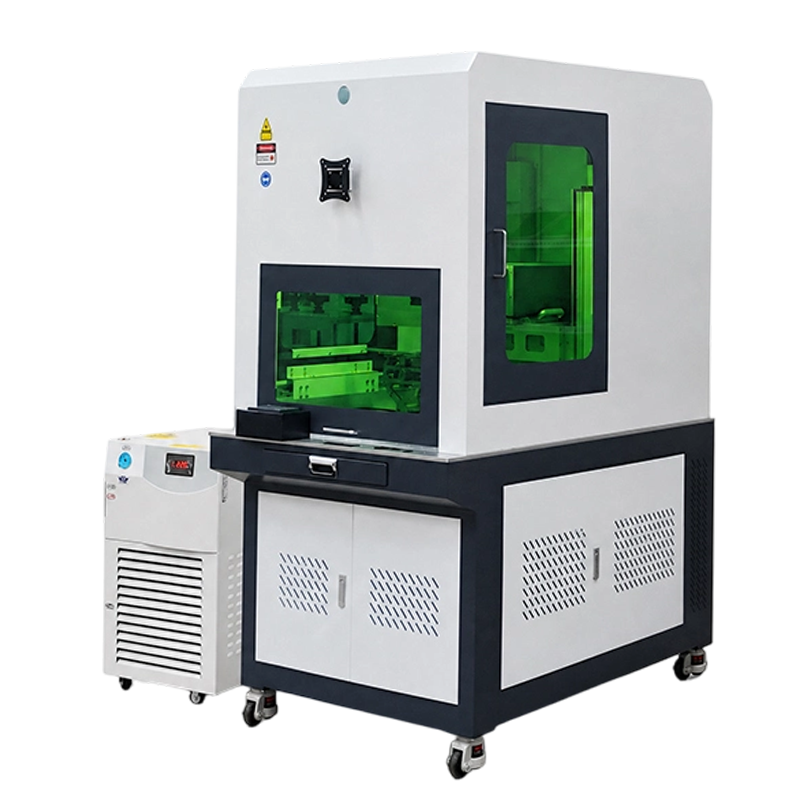
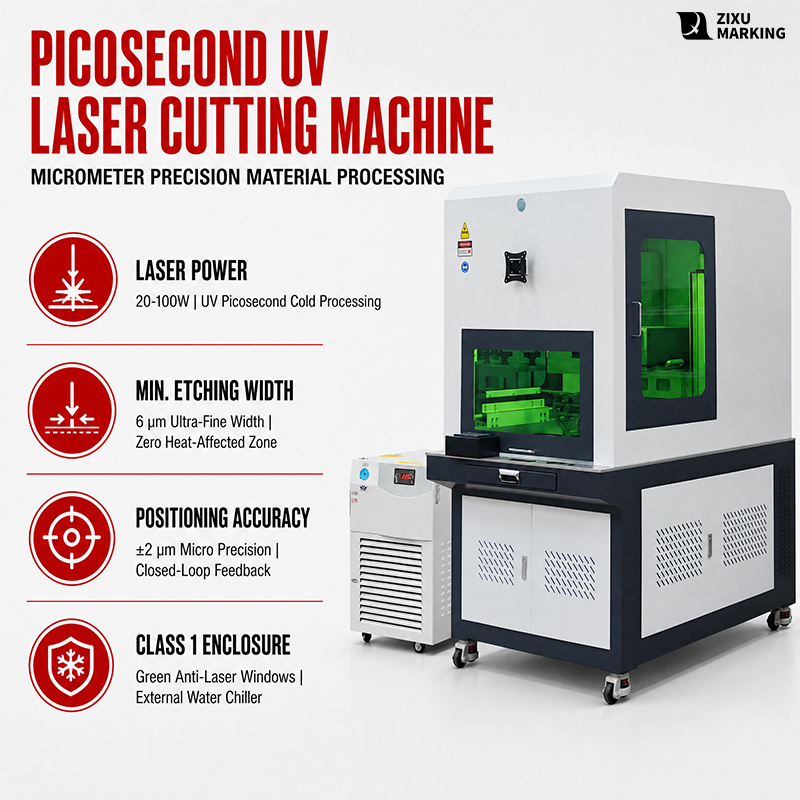
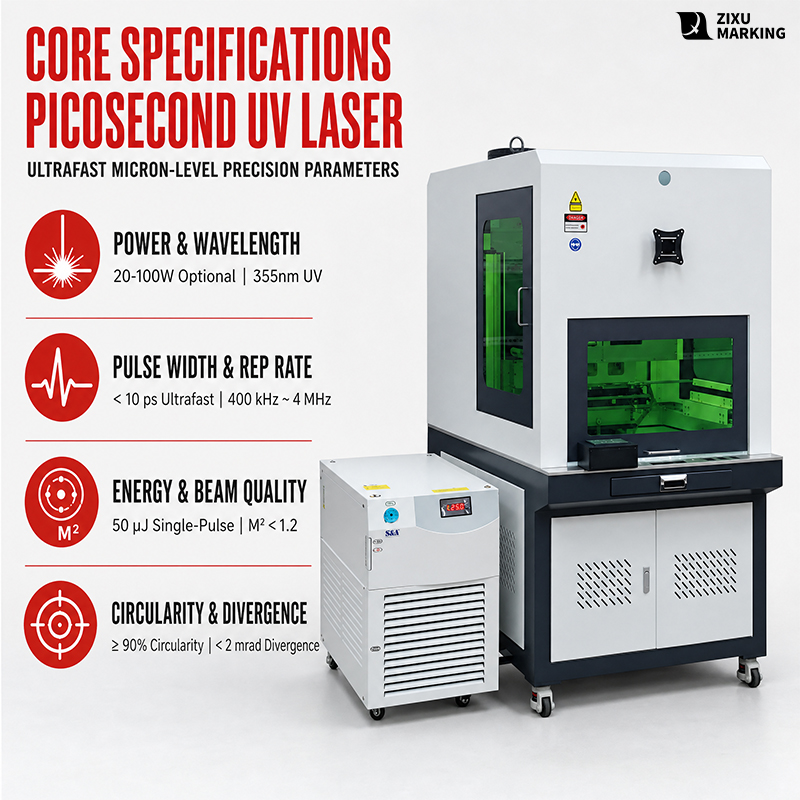
Features a 30 W standard source, with 20–100 W options, at 355 nm and pulse widths below 10 ps. High repetition rates, 50 μJ pulse energy, and M² below 1.2 support fast film cutting and precise ceramic processing with consistent cut quality.
Delivers pointing stability below 50 μrad/°C, pulse stability ≤2% RMS, and power stability ≤1% RMS. A constant-temperature chiller maintains the source and scanner near 22°C for reliable, repeatable performance.
Offers a standard 300 × 300 mm field, cutting speeds of 500–3000 mm/min, and stitching accuracy within ±3 μm. Supports multiple design formats, offline batch processing, and optional CCD vision for precise alignment and consistent production.

ðLO
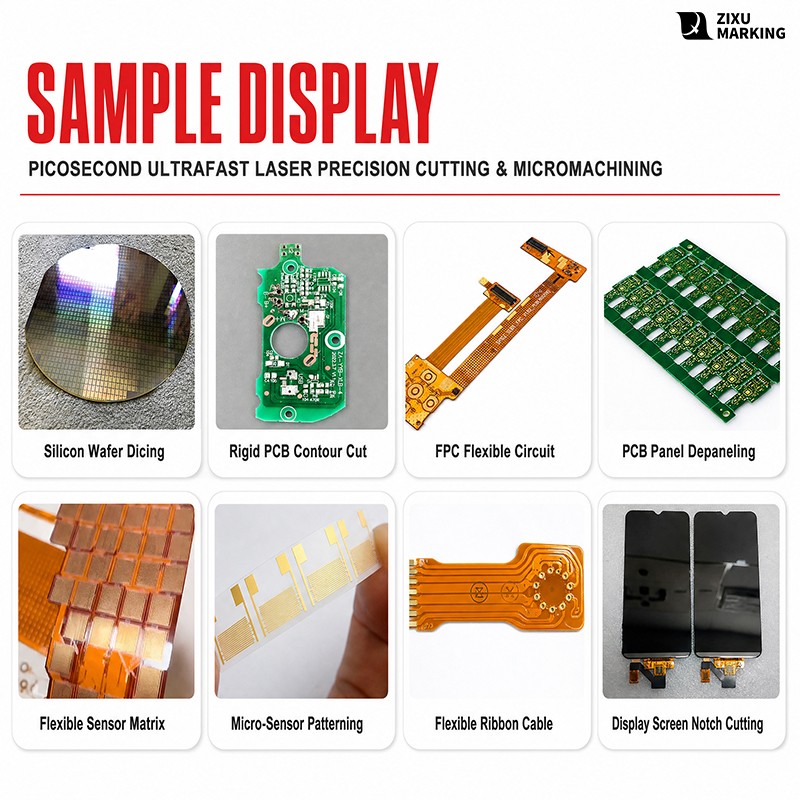
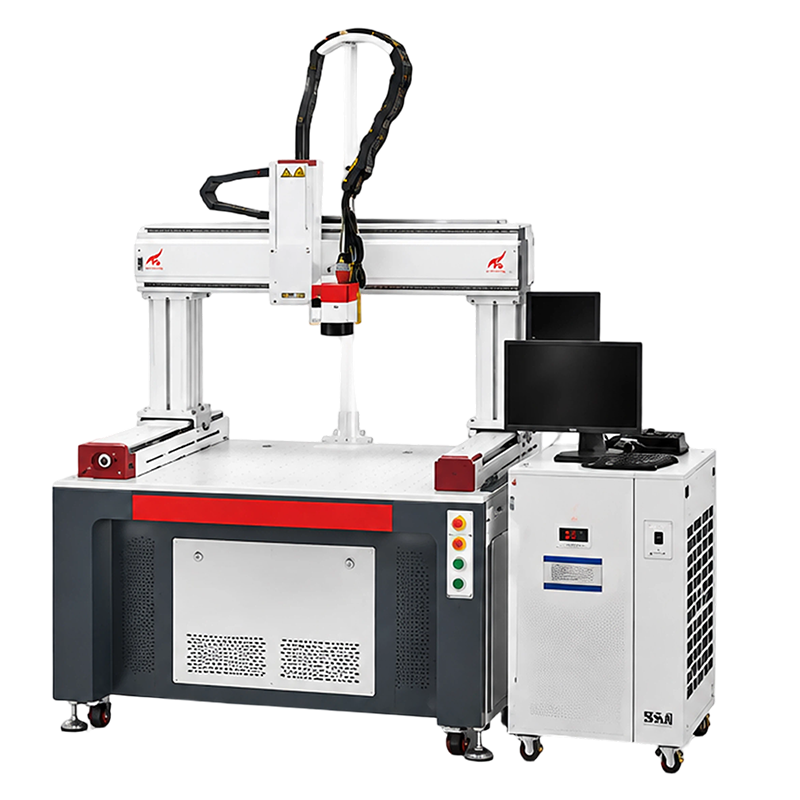
An enclosed desktop UV picosecond laser cutting machine cuts heat-sensitive and brittle materials with a 355 nm beam under 10 ps. 30 W standard with 20-100 W available, 50 uJ per pulse, 400 kHz to 4 MHz and an M2 below 1.2 keep the focus round, so FPC coverlay, PI and PET film, silicon wafer, ceramic, glass and sapphire come off with no carbonised edge, no melt residue and no burr – usually without a second grinding or cleaning step. The field is 300 x 300 mm and customisable, stitching holds within +/-3 um, and a granite gantry on linear motors keeps a part larger than the field on one line after tiling. The Class 1 hood separates the work zone from draughts, dust and temperature swing. Typical work: FPC and PCB cutting and depaneling, wafer dicing, profiled OLED cuts, micro-holes and hole arrays, medical micro parts and flexible sensor traces.
| Group | Parameter | Value |
| Optical & pulse | Output Power | 30W (20-100W Optional) |
| Optical & pulse | Central Wavelength | 355 nm |
| Optical & pulse | Pulse Width | < 10 ps |
| Optical & pulse | Repetition Rate | 400 kHz ~ 4 MHz |
| Optical & pulse | Single-Pulse Energy | 50 μJ |
| Optical & pulse | Beam Quality (M²) | M² < 1.2 |
| Optical & pulse | Spot Diameter | 2.6 ± 0.3 mm (1/e²) |
| Optical & pulse | Beam Circularity | ≥ 90% |
| Optical & pulse | Beam Divergence Angle | < 2 mrad |
| Stability & polarization | Pointing Stability | < 50 μrad/°C |
| Stability & polarization | Polarization State | Horizontal |
| Stability & polarization | Polarization Ratio | > 100:1 |
| Stability & polarization | Pulse-to-Pulse Stability (RMS) | ≤ 2% rms |
| Stability & polarization | Power Stability (Peak-to-Peak) | ≤ 1% rms |
| Electrical & interfaces | Operating Temperature Range | 20 to 30 °C |
| Electrical & interfaces | Power Supply | AC 220/110 V |
| Electrical & interfaces | Power Consumption | 1500 W |
| Electrical & interfaces | External Interfaces | RS232, Ethernet |
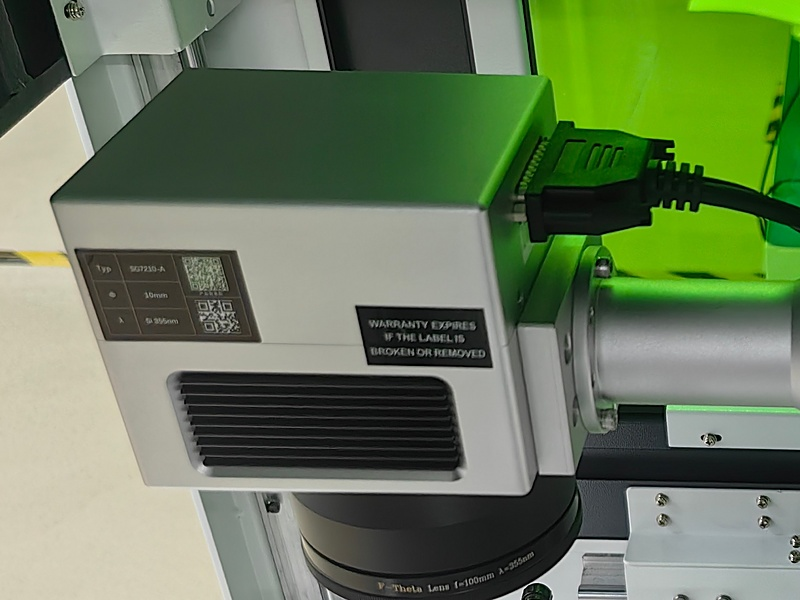
Scanner and field lens: the last link in the chain is the branded one
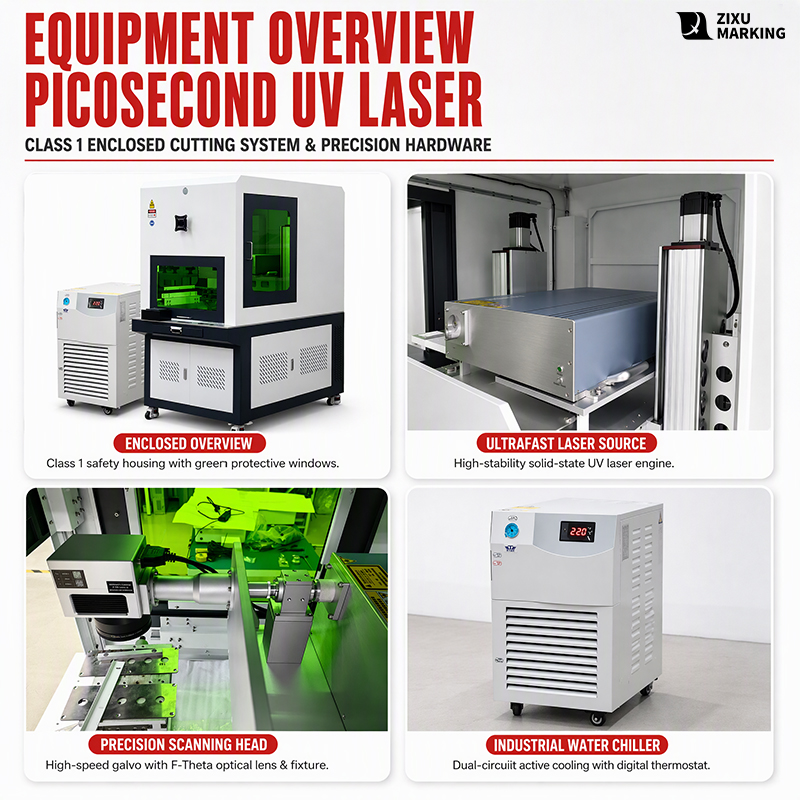
The square head is a SCANLAB scanner, with its own tamper label and parameter plate; the black field lens below carries f=100mm and lambda=355nm printed on the barrel. The pairing puts the spot exactly where the program sends it and moves it fast, so micro-holes and fine lines repeat edge to edge.
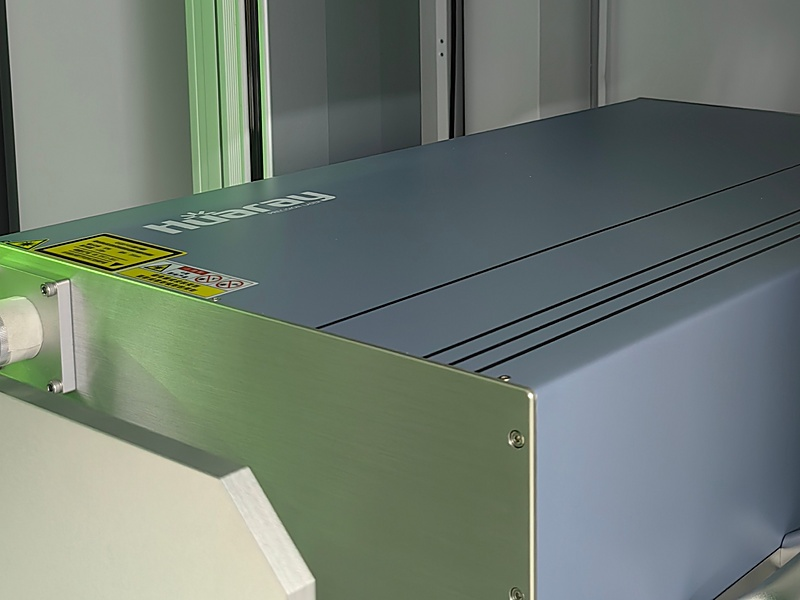
Huaray UV picosecond source: it sets the ceiling on machine life
The blue unit is the 355 nm picosecond source, marked Huaray, with power and status indicators on the front. Huaray is an established supplier of industrial UV picosecond sources whose power, pulse width and repetition rate all match a published datasheet, so machine life and spare parts both have a traceable origin.
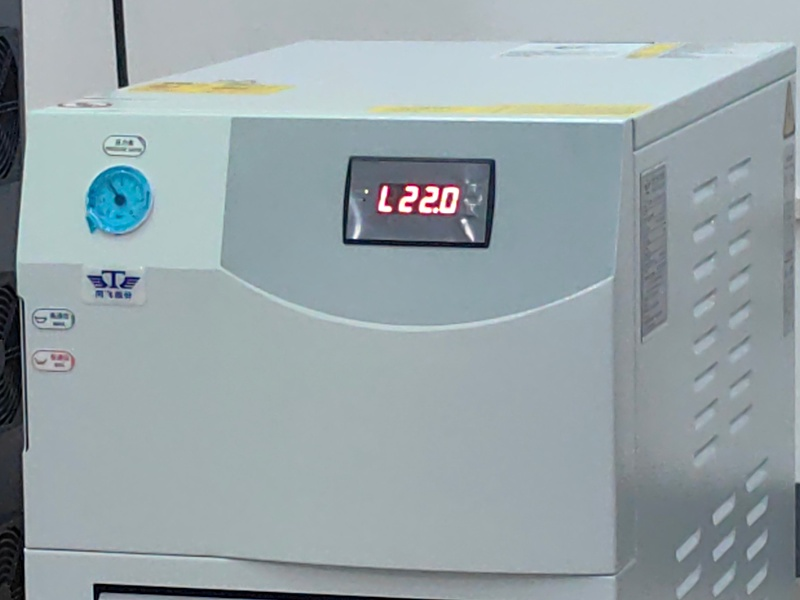
Constant-temperature chiller: hold the water, hold the power
A standalone chiller with the water temperature on its own display (the frame reads L220), the fill cap and brand mark on the front, and a full intake louvre below. A constant-temperature water circuit keeps UV conversion at a stable operating point, so power holds and the kerf stays consistent through a full shift with no derating.
All-metal beam tube: align it once, then never again
Between source and scanner the beam runs inside a machined aluminium tube with a flanged end and knurled lock ring, turning through a metal fold block; no stretch of the path is open. Sealed in metal, the beam stays collimated through shipping and cleaning, so the alignment made at the factory holds.
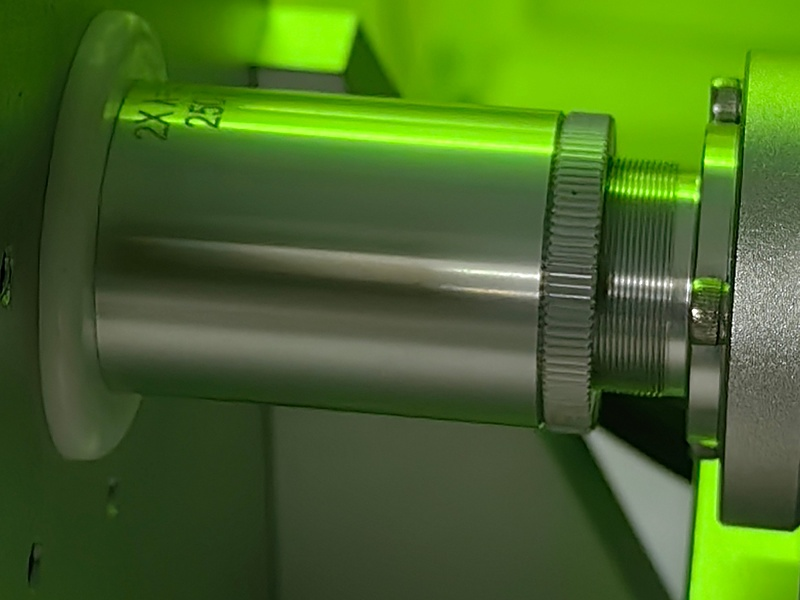
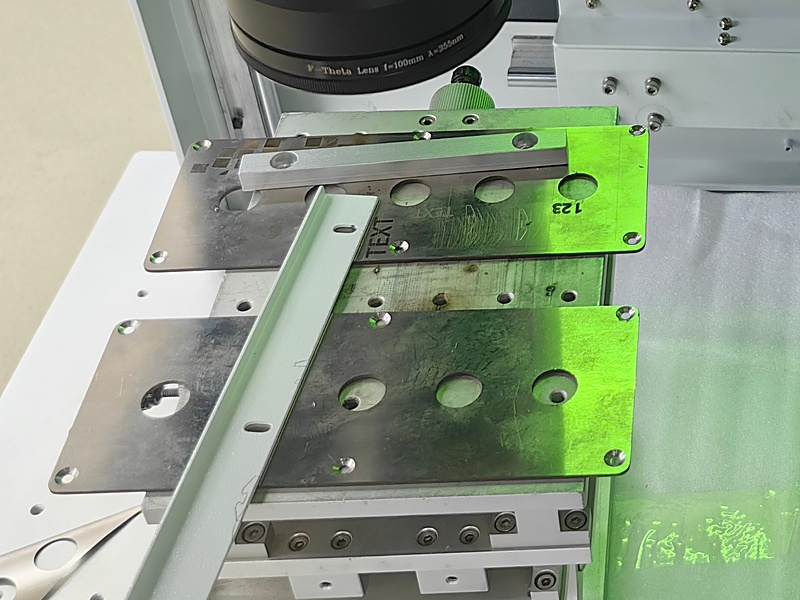
Table and fixturing: changeover speed is decided here
Stainless clamp plates and locating rails sit on the table; parts are held by locating holes and clamps, and the table carries a standard hole pattern so a dedicated fixture can be added per product. With a locating datum every part in a batch sits in the same place, and a changeover is a fixture swap plus a program recall.
Class 1 enclosure: the work zone cut out of the workshop
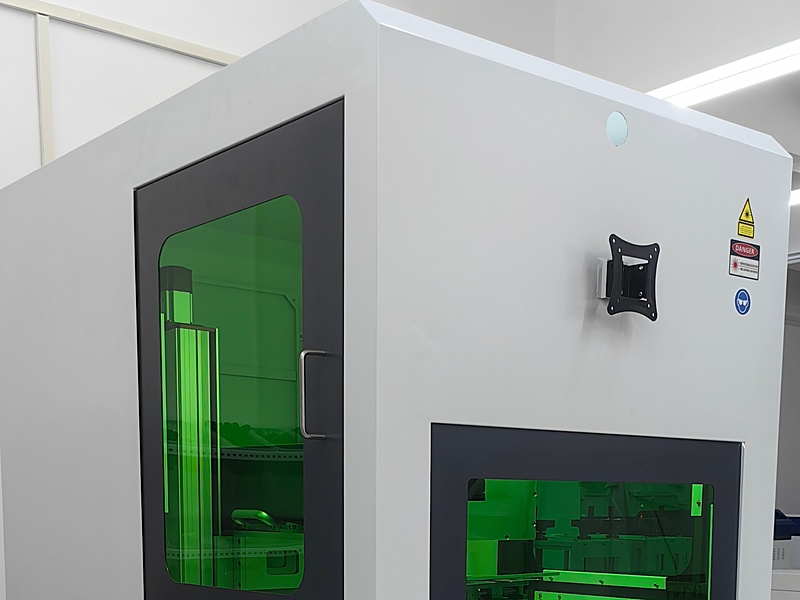
Two green filter windows, handled doors, laser warning and eye-protection labels on the shell, and a VESA mount on the front for the monitor. The enclosure makes the work zone a controlled space of its own: the operator is protected at machine level, and draughts, dust and temperature swing stay outside, so a micron-scale kerf stays stable on a real production floor.
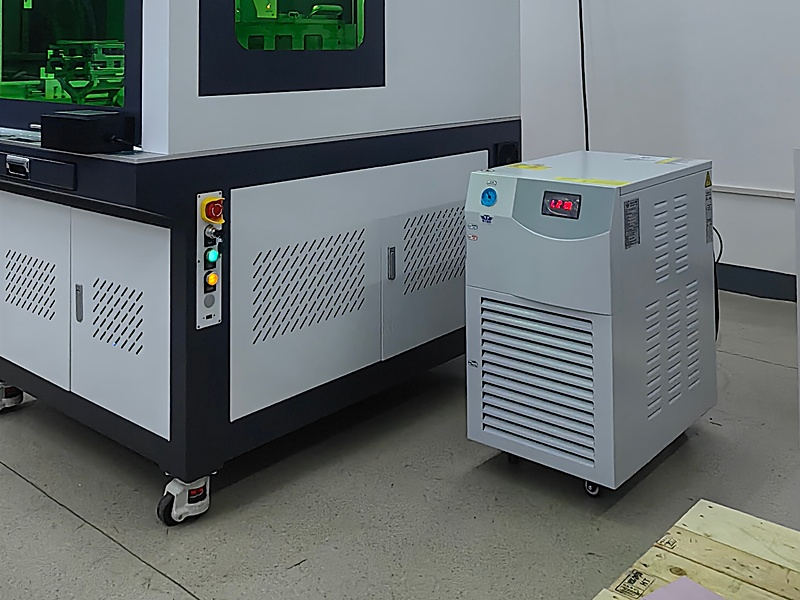
Heat source outside the cabinet: optics and motion only inside
The chiller is its own caster-mounted cabinet, connected by hose, and the E-stop with stack light sits on the machine’s side panel within arm’s reach from either side. With the heat source outside, the interior stays more even, and two separate units move through a lift or a narrow door with ease.
Material and process fit
| Material | Typical work | How this machine does it | Boundary |
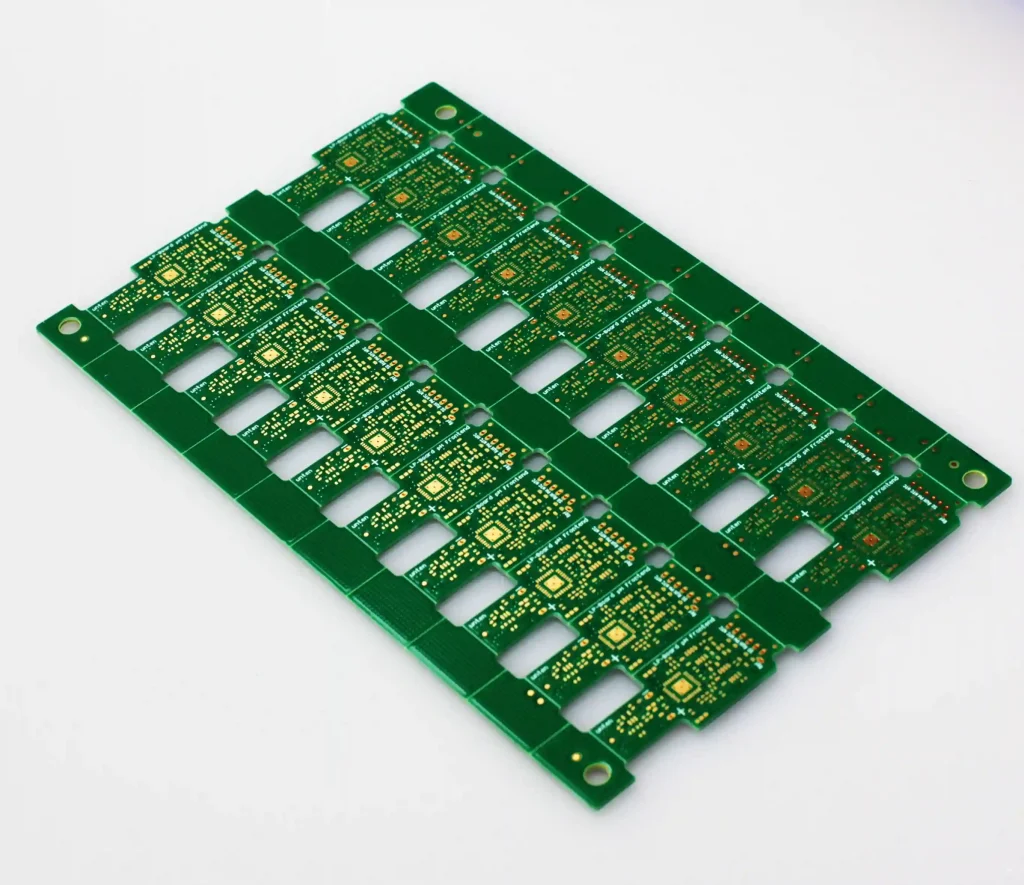
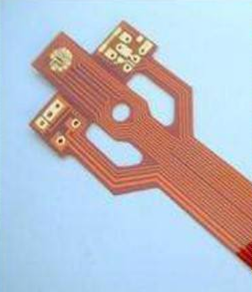
| FPC coverlay (PI) | Windows, coverlay lift-off, outline cutting | 355 nm is absorbed by PI directly and the sub-10 ps pulse removes it before heat spreads; no carbonised edge, no delamination | Cuts through the coverlay in one pass; stacked structures need the adhesive layer confirmed |
| Rigid PCB / rigid-flex | Depaneling, contour, through-hole windows | Non-contact depaneling, no mechanical stress and no micro-cracks from V-scoring | Depaneling and contours are the main work; dense metal layers need reduced speed |
| PI / PET film | Patterning, profiled outlines, micro-hole arrays | Cold ablation leaves no rolled or melted edge, so film can be cut flat as supplied | Film needs to sit flat, by vacuum or clamping, to stay in focus |
| Silicon wafer | Dicing, singulation, grooving | Narrow kerf with the thermal effect held at the surface, which cuts chipping and micro-cracks | Thin wafers are the main case; thick silicon and deep grooves need a pass-count check |
| Glass, including ultra-thin and cover glass | Profiled outlines, micro-holes, grooves | Non-contact, no chipping and no tooling; holes and outline in one program | Flat and gently curved parts; thick glass and deep holes need evaluation |
| Sapphire / optical crystal | Scribing, windows, profiles | High UV absorption gives a clean, transparent kerf edge with no burning | Small and thin parts are the main case; large parts run as stitched tiles |
| Technical ceramic Al2O3 / AlN | Scribing, drilling, contour | 50 uJ per pulse with a high repetition rate gives ceramic both the energy per point and the travel speed | Thin sheets and substrates are the main case; thick ceramic needs multiple passes |
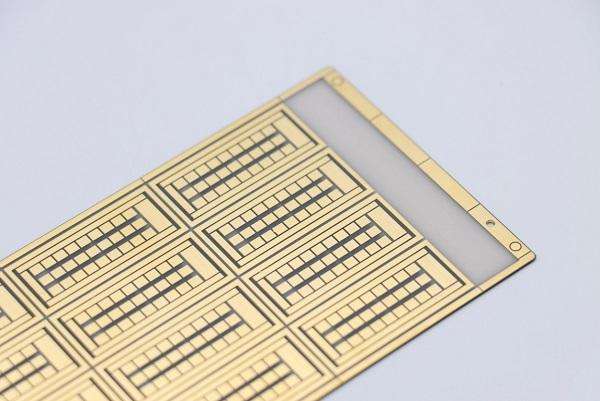
| Copper foil/aluminium foil / W-Cu | Ultra-thin metal cutting and etching | Cold ablation suppresses burring and curling, so foil can be cut to pattern directly | Ultra-thin foil only; copper reflects UV more, so parameters follow the actual sample |
| Flexible sensors/silver traces | Trace isolation, outline, windows | No heat-affected zone, so the silver paste does not oxidise and the substrate does not wrinkle | Line width and pitch follow the actual paste and sintering state |
| Medical micro parts | Cannula slotting, micro-holes, stent cutting | Low heat input keeps thin walls true, and there is no chemical residue | Thin-wall tubes and fine structures are the main case; mirror finishes need a reflection check |
| OLED module / flexible display | Profiled cutting, openings, edge trim | Cold ablation avoids thermal damage to the polariser and the encapsulation | Profiles and openings are the main case; load and unload are set per line |
Boundary: what it is not for
| Case | Why | Stated as |
| Thick metal plate and high-volume blanking | Pulse energy and average power are not in that class; that work belongs to fibre laser or plasma | 30 W class picosecond UV |
| Three-dimensional surfaces and full-sheet oversize | The standard machine cuts flat with a 2D scanner and handles oversize by tiling; solid parts need extra axes | 300 x 300 mm field plus stitching |
| High-volume commodity parts priced on speed | High-speed punching of thin sheet is still cheaper per part; this machine sells precision and no rework | Investment above nanosecond and punching |
| Deep holes, thick ceramic, thick glass in one pass | These need multiple passes and a process check, and cannot be quoted as a single cut | Parameter confirmation per workpiece first |
Cutting Samples
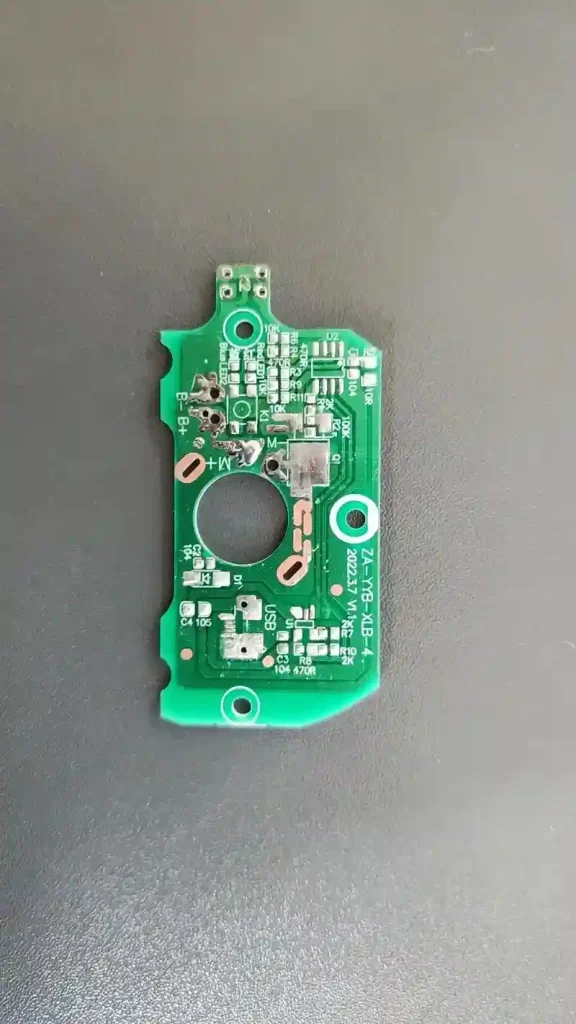
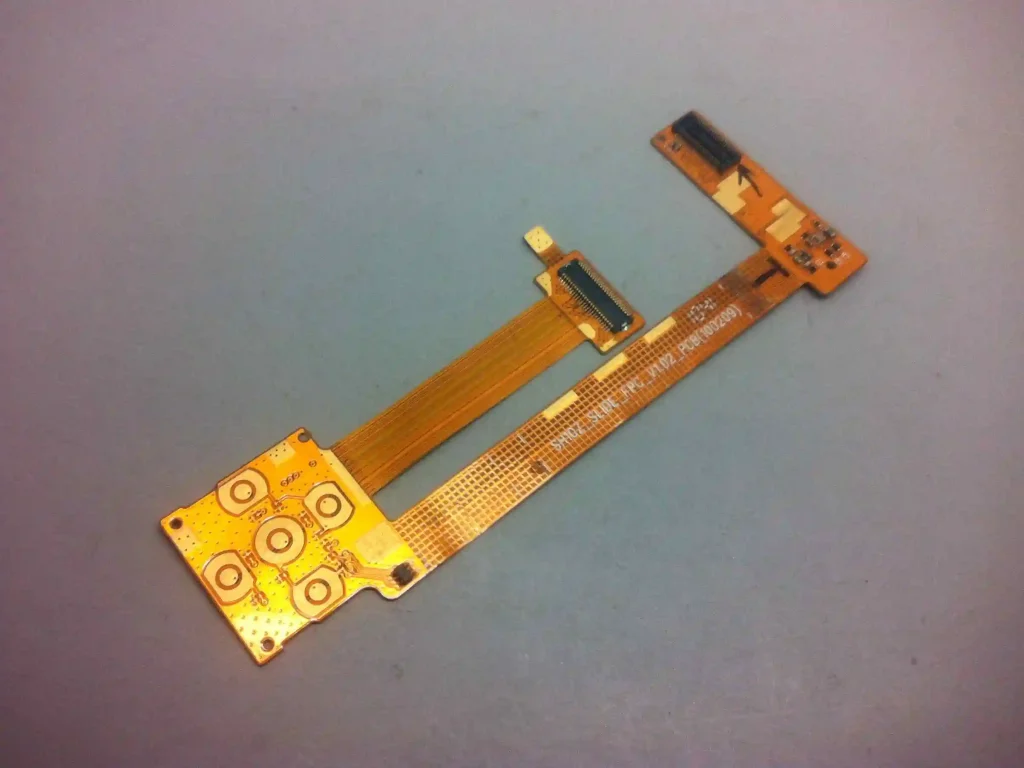
Send us an email to get further information you need, including our latest price, the best-customized solution, or any problem with the existing machine.