
Portable Water-Cooled Fiber Laser Cleaner 500W 1000W
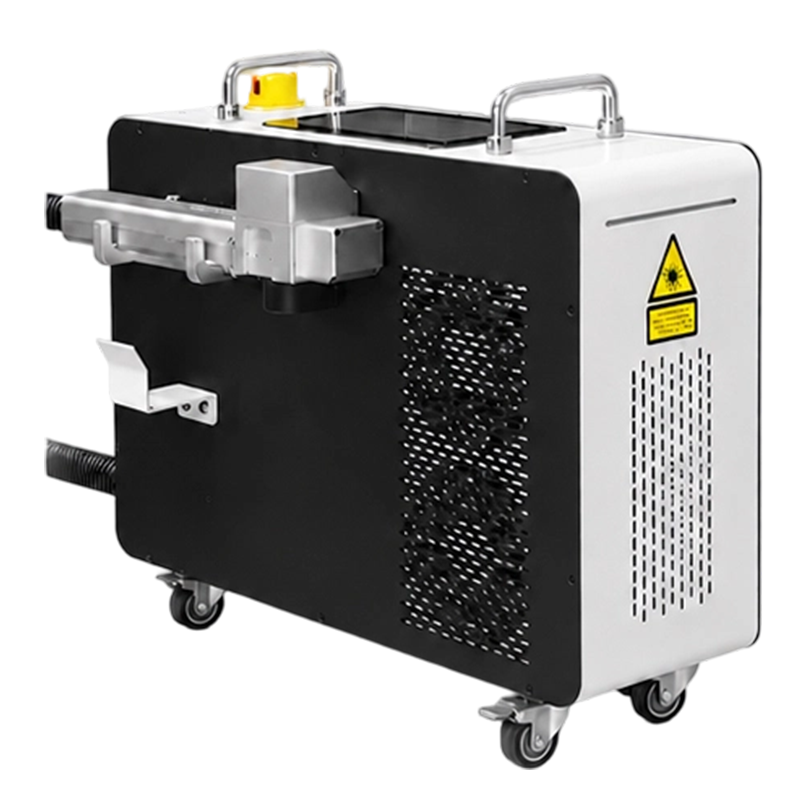
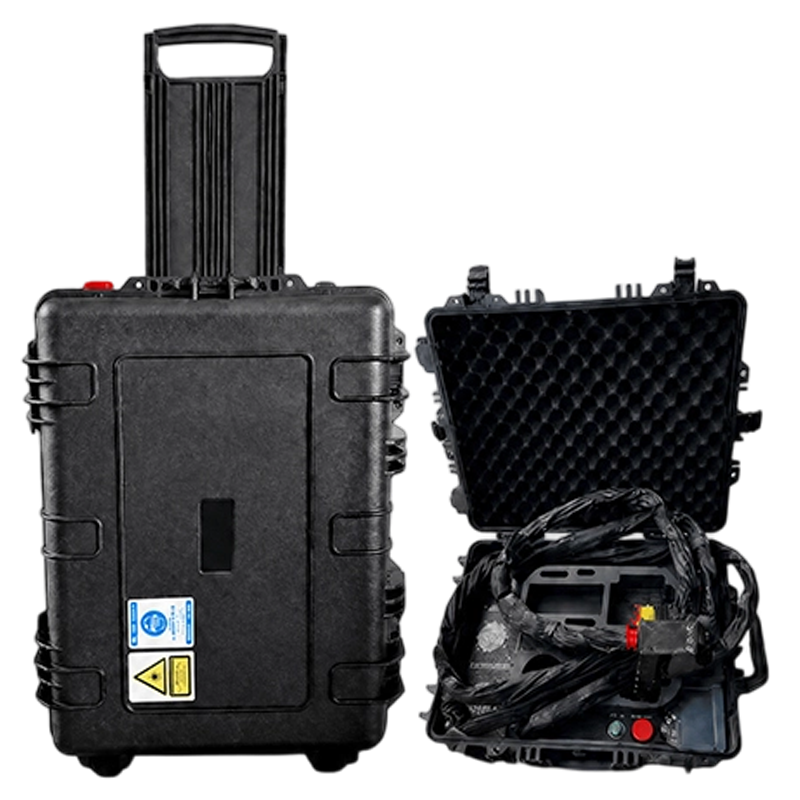
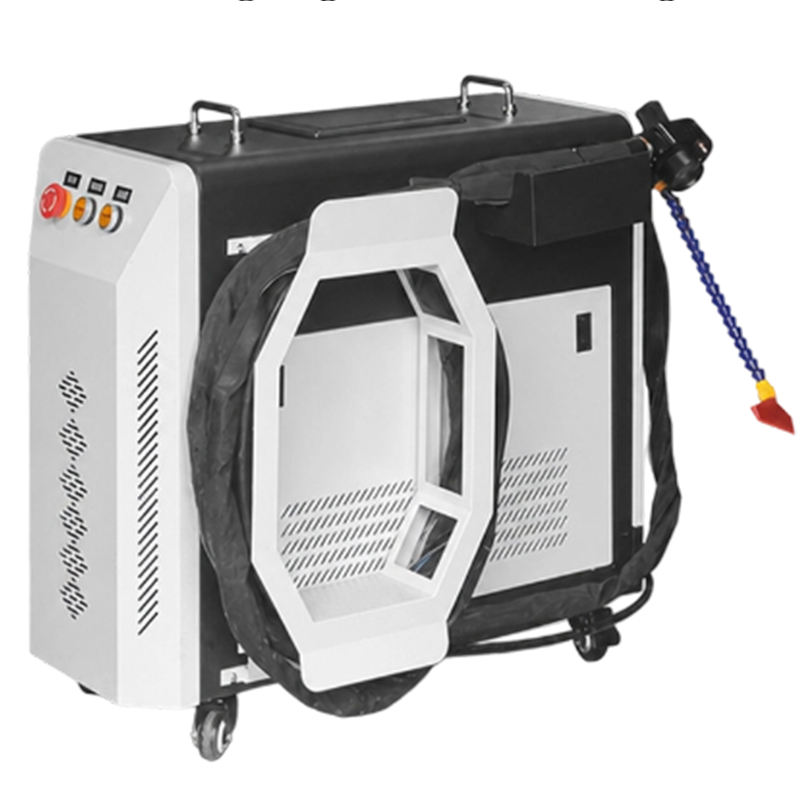
A 500 W or 1000 W JPT fiber source on an industrial 1-to-4 water chiller, the machine in a caster cabinet and a 5 m fiber running to a handheld head. 185 x 185 mm scan, 10-35000 mm/s, 2-500 ns and 1-4000 kHz adjustable, 46-50 kg in total.
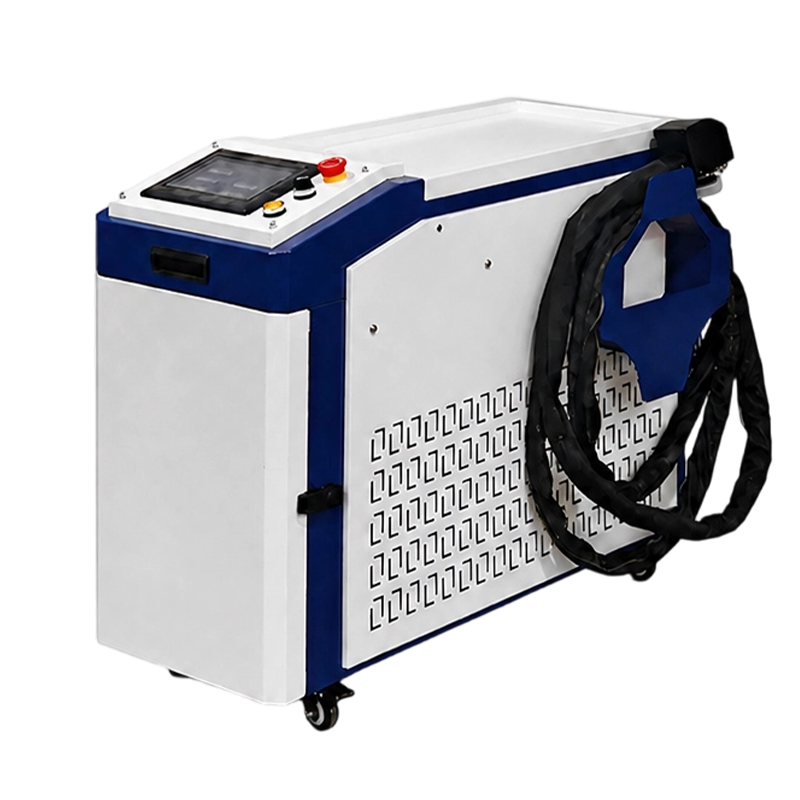
Thickened protective sleeve resists abrasion, scratches and tearing, protecting the fiber and connector during handling.
One chiller supports four outputs, ensuring stable cooling for continuous 1000 W operation.
2–500 ns pulse width and 1–4000 kHz frequency suit both heavy rust removal and precision cleaning on thin metals.
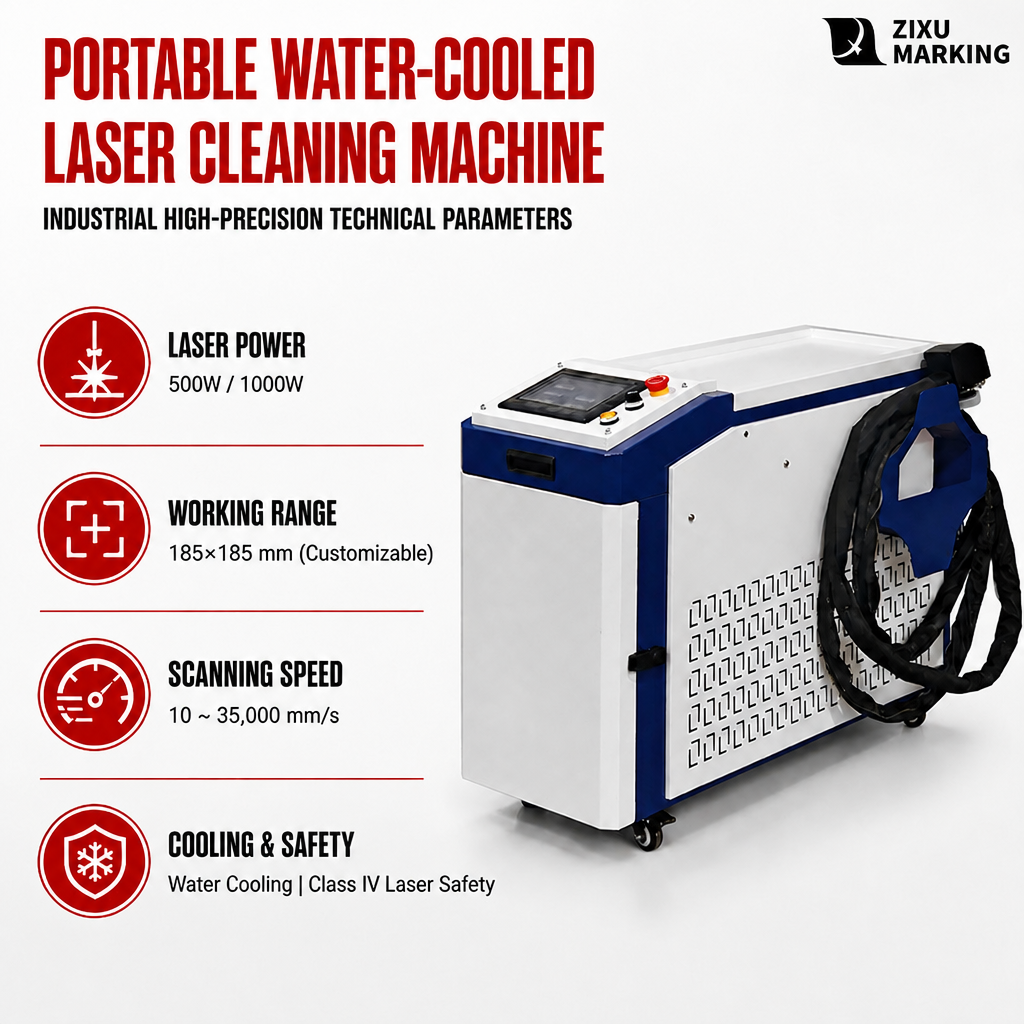
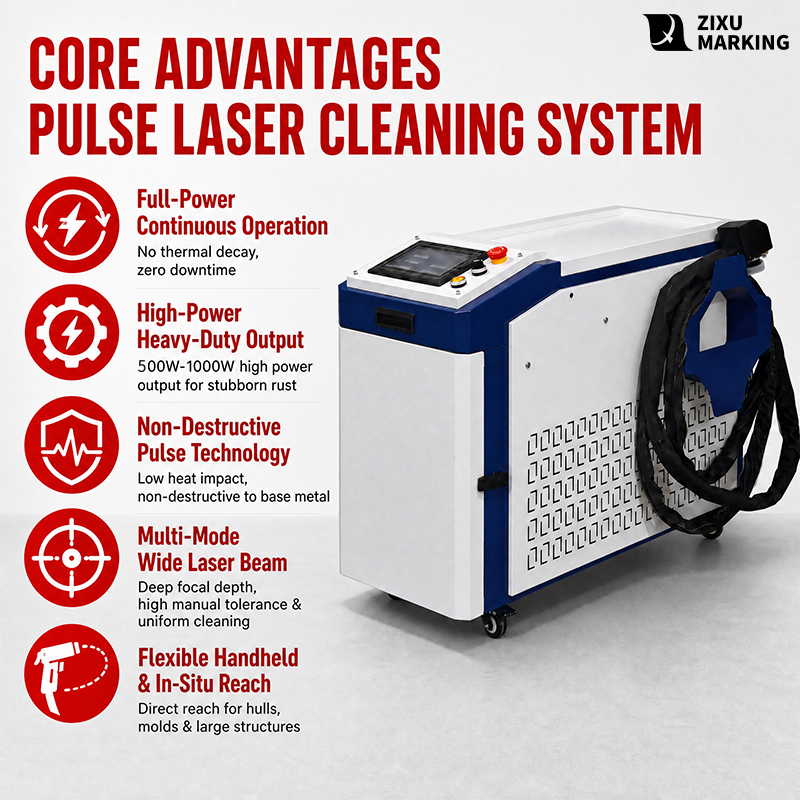
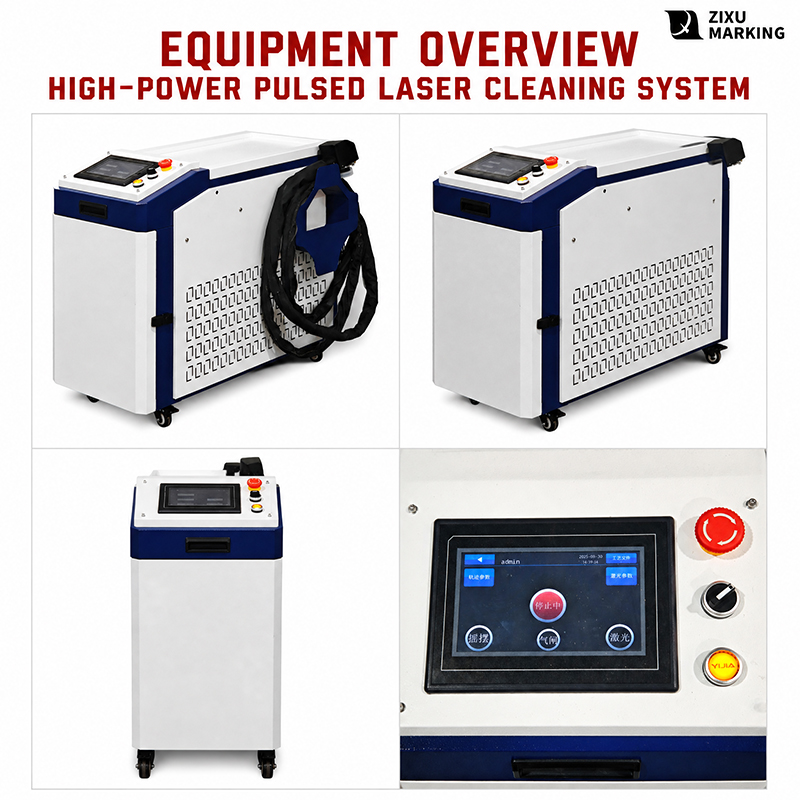
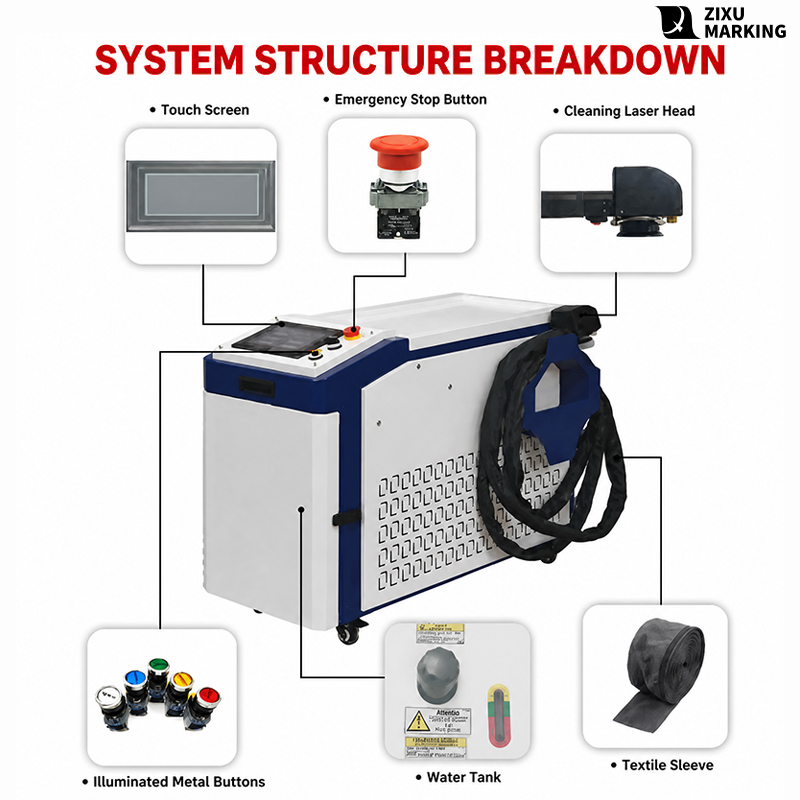
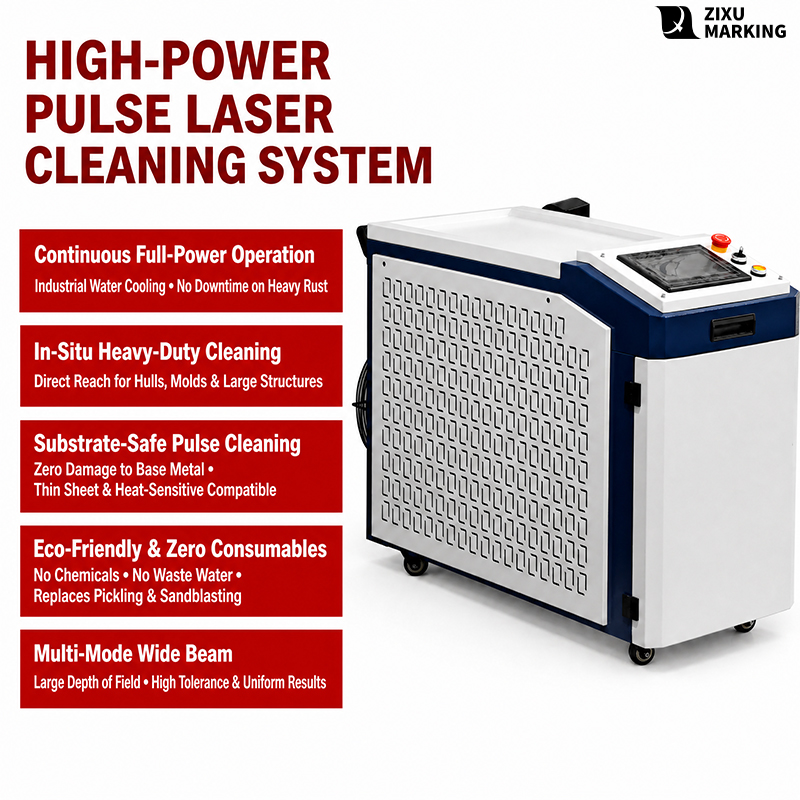

A portable water-cooled handheld cleaner running a 500 W or 1000 W JPT pulsed fiber source, with the source and tank inside a caster cabinet and a 5 m fiber to the handheld head. The scan field is 185 x 185 mm at 10-35000 mm/s, with pulse width adjustable from 2 to 500 ns, repetition from 1 to 4000 kHz and single pulse energy at 15 mJ or 50 mJ. An industrial 1-to-4 water chiller holds full power continuously, input is 100-240 V, and the unit weighs 46-50 kg. It strips rust from hulls and steelwork, cleans molds, weld seams and oil, lifts old paint and oxide, and stays safe on thin sheet and precision parts.
| Item | Value |
| Laser power | 500 W / 1000 W |
| Laser type | Pulsed fiber laser |
| Source brand | JPT |
| Scan field | 185 x 185 mm (customizable) |
| Scanning speed | 10-35,000 mm/s |
| Pulse width | 2-500 ns |
| Repetition frequency | 1-4,000 kHz |
| Single pulse energy | 500 W: 15 mJ / 50 mJ |
| Cooling | Industrial water, 1-to-4 chiller |
| Input | 100-240 VAC, 50/60 Hz |
| Control system | ZBTK |
| Machine size | 300 x 680 x 650 mm |
| Cabinet size | 880 x 490 x 720 mm |
| Weight | 46-50 kg |
| Laser safety class | Class IV |
| Fiber length | 5 m |
| Packing list | Machine, cabinet, 5 m fiber, 1-to-4 chiller |
| Price | 1-4 sets 12,800; 5-9 11,800; 10+ 10,800 USD |
| MOQ | 1 set |
| Certification | CE |
| Warranty | 1 year |
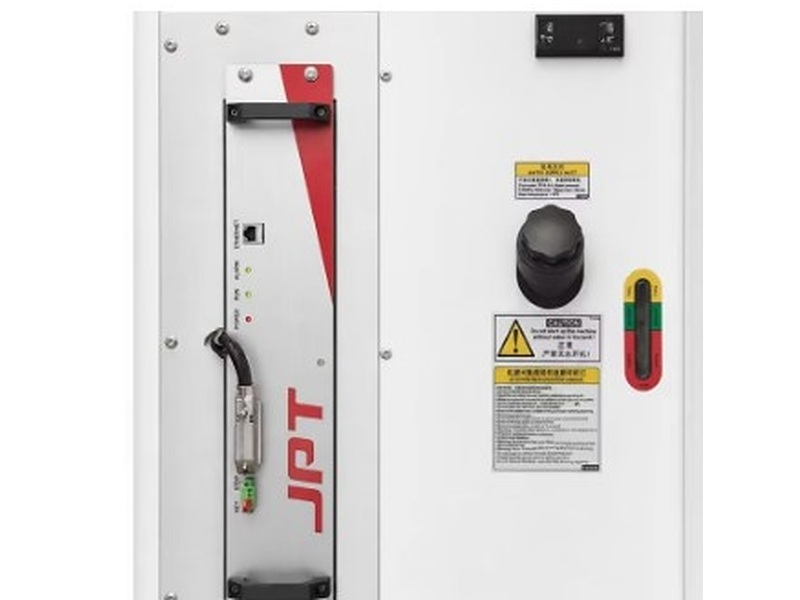
1-to-4 water cooling: 1000 W at full power, shift after shift
The chiller inside the cabinet is an industrial four-output unit with a closed-loop tank. It carries the heat of a 1000 W source at steady water temperature and full flow, so the machine holds full power without a cooling stop in the middle of a job: thermal headroom is production headroom.
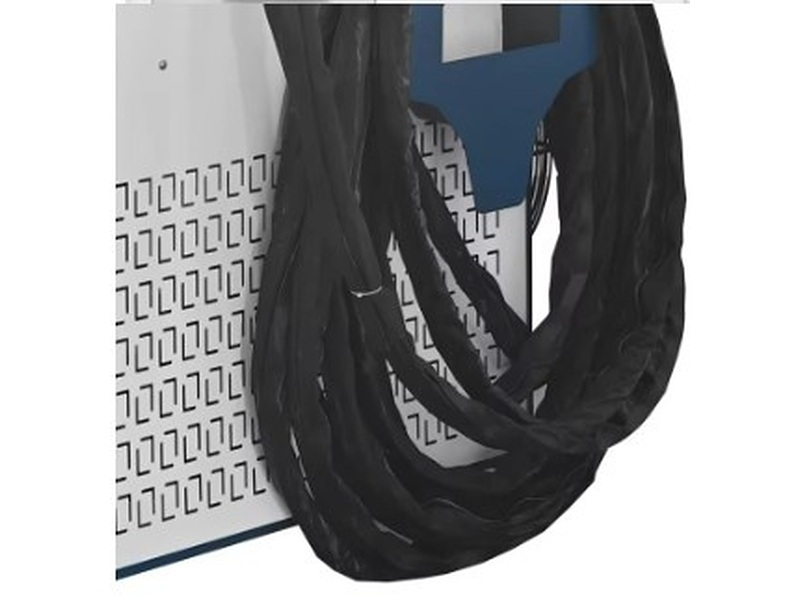
The fiber in a thickened flame-retardant sleeve: armour for the costliest part
The 5 m fiber runs inside a thickened flame-retardant textile sleeve that resists abrasion, scratching and tearing. The fiber is the most expensive part of the machine and the one a tight bend destroys; the sleeve takes that risk, so dragging it over floors and around corners never reaches the core.
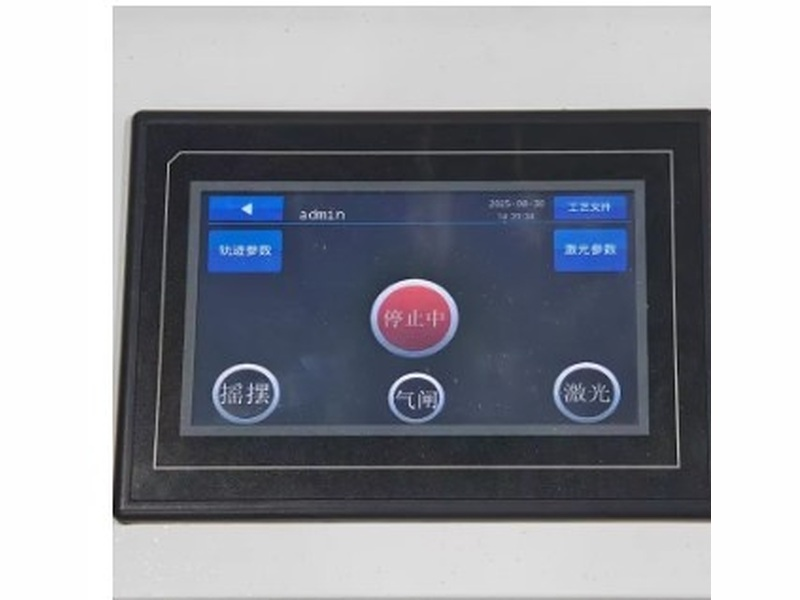
Pulse width and frequency both adjustable: thin sheet and precision parts survive
A machine that only turns total power up and down forces one setting for heavy rust and another for thin sheet, and suits neither. Here pulse width runs 2-500 ns and repetition 1-4000 kHz, both adjustable: long pulses and high energy for thick rust, short pulses at high frequency for thin sheet, copper, aluminium and precision parts, peeling layer by layer instead of drilling into the base metal.
A light cleaning head: you can hold it all day
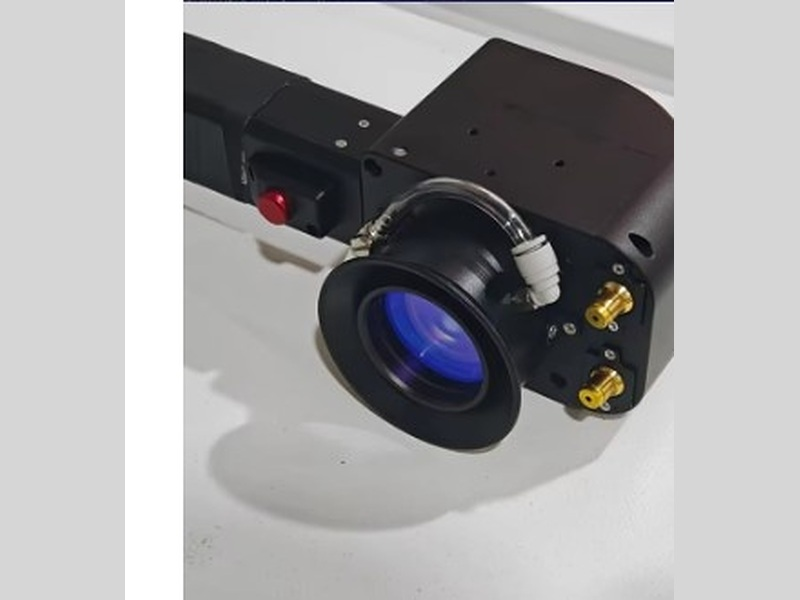
The head is light in the hand with a shaped grip, the blue focusing barrel pointing down and the gas and water fittings on the side. In handheld work, weight and grip decide what the afternoon looks like; less weight means less strain on the wrist.

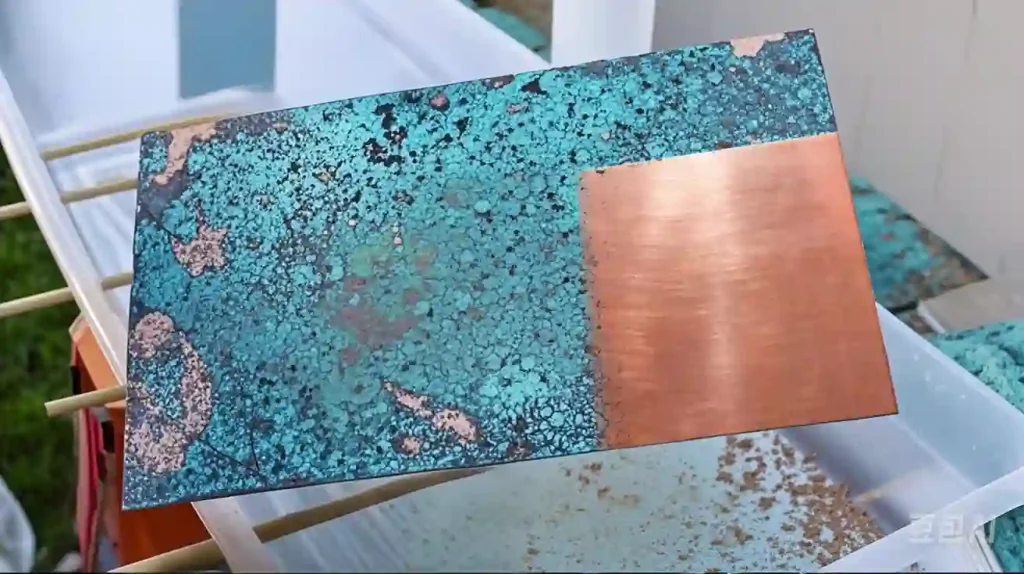
Reflective metals (copper, aluminium) too: no black edge, no discoloration
Copper and aluminium reflect strongly and put energy control to the test. This machine runs true cold processing: the pulse lifts oxide and soil at the surface before heat can reach the base metal, so copper comes out its own colour, with no black edge and no discoloration.
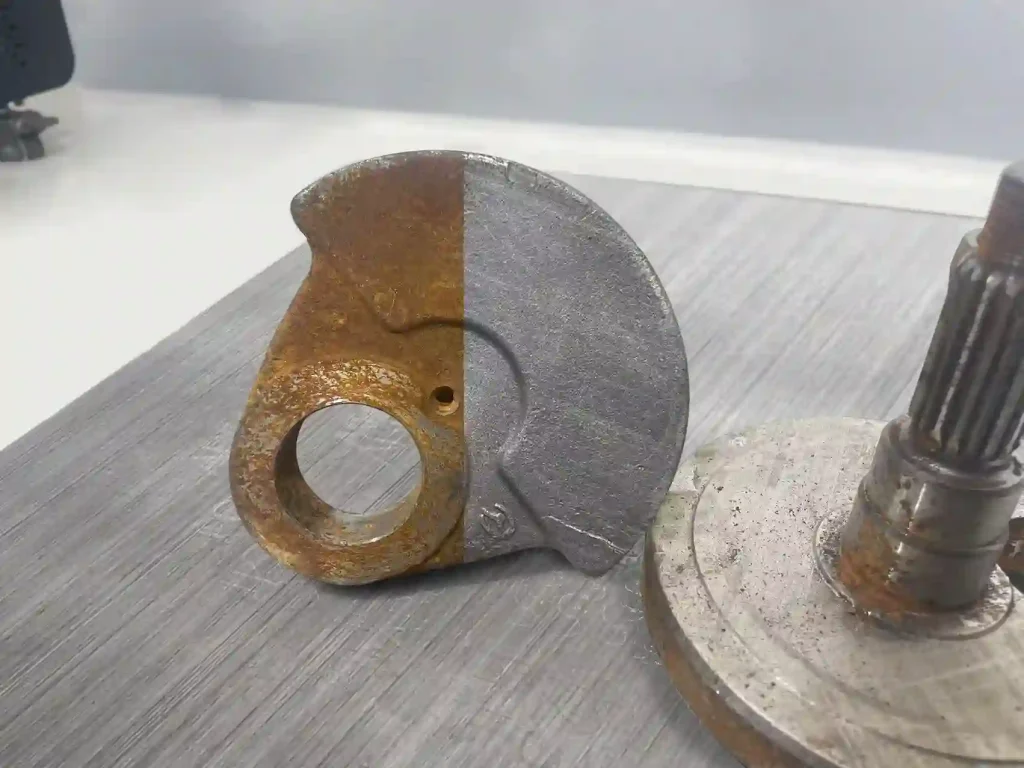
Gears and precision parts: the dirt goes, the tolerance stays
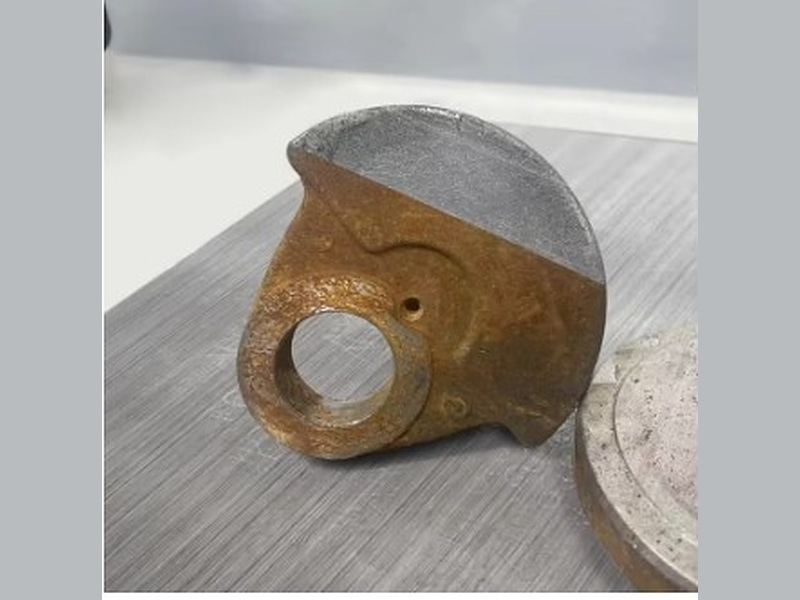
The part in the frame is half cleaned and half still rusted, and the line between them is where the program stopped. Non-contact cleaning uses no tool and no abrasive, so tolerances on gear faces and fits stay as they were – the kind of work where a scrapped part costs far more than the cleaning.
Materials and processes
| Material | Typical part | How it runs | Watch for |
| Heavy rust on carbon steel | Hulls, steelwork, pipe exteriors | Long pulse and high energy lift it in one pass to bare metal | On layered rust, slow the scan rather than deepen the pass |
| Stainless weld seam | Heat tint and spatter after welding | Short pulses at high frequency take the tint only, leaving the bead as formed | Not a polishing pass for the root of a load-bearing weld |
| Aluminium and its alloys | Oxide film, oil, old paint | Aluminium is pulse sensitive; short pulses at low energy remove it layer by layer | Trial the parameters on thin wall parts before a batch |
| Copper and brass | Oxide, oil, pre-weld prep | Works on reflective metals too, with energy staying at the surface | Confirm on a sample before running mirror-finish parts |
| Mold steel | Carbon build-up and release agent on injection and die-cast molds | Non-contact and texture-safe, keeping fillets and etch | Deep cavities need a smaller spot or a longer head |
| Thin sheet | Rust and paint on 0.5-2 mm sheet | Short pulses at low energy without burn-through or distortion | Better than grinding here, but it does not replace flattening |
| Stone and timber | Soiling and old coating on facades and wooden members | Strips without contact, leaving grain and fibre intact | On timber, limit dwell time to avoid charring |
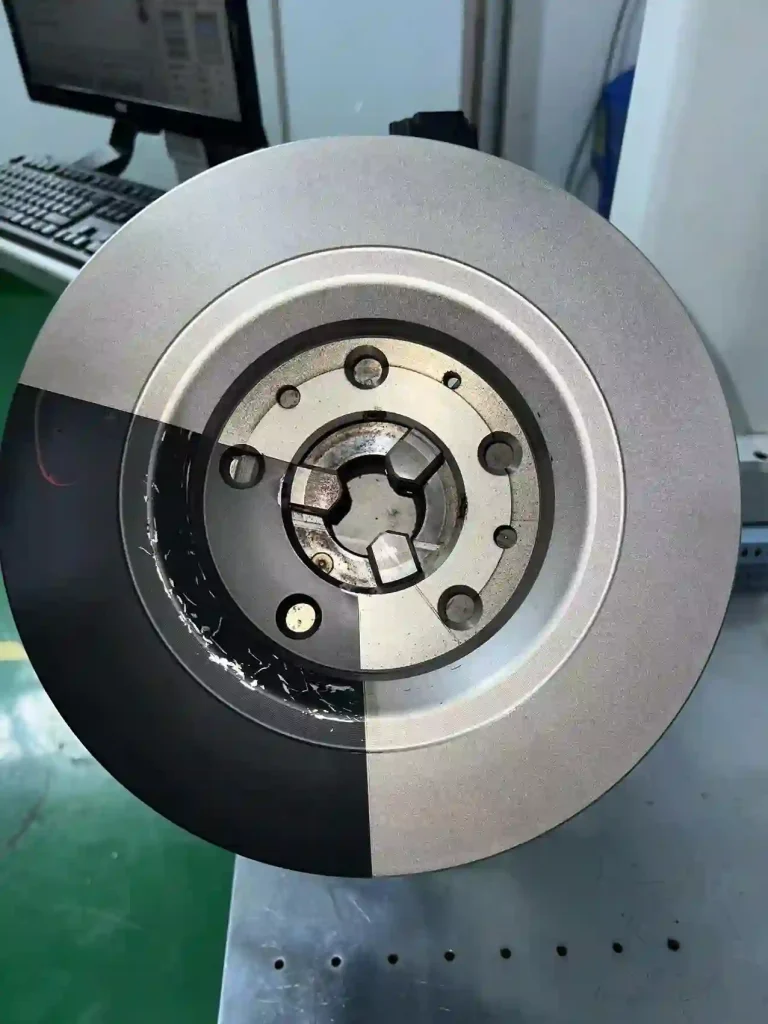
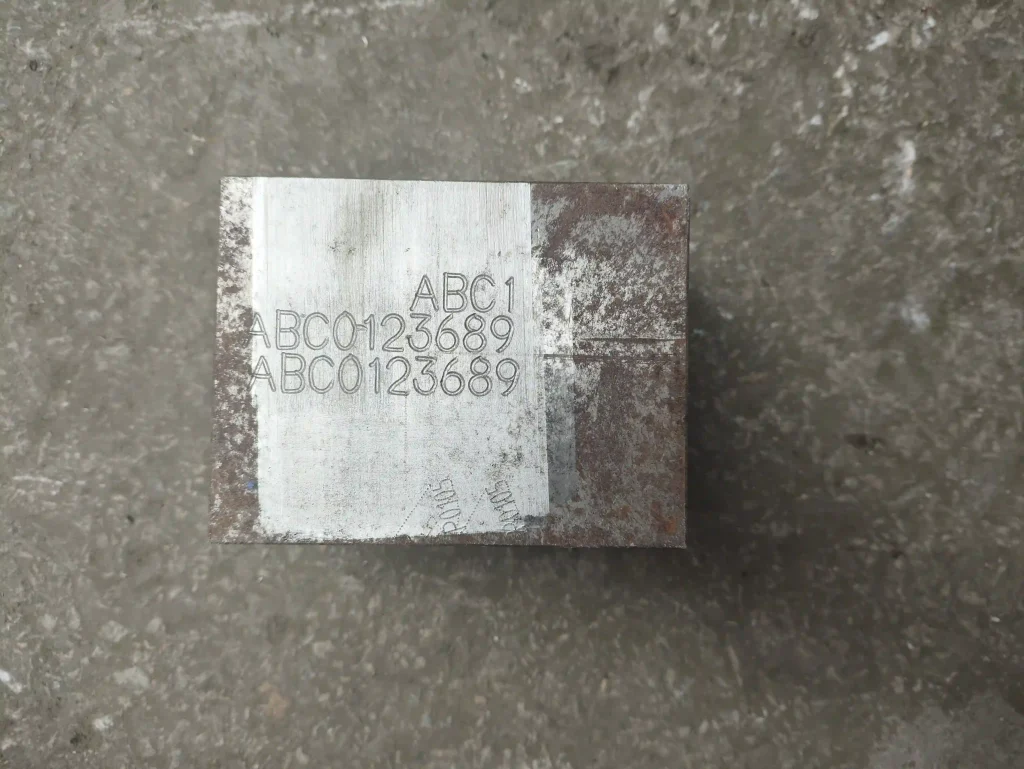
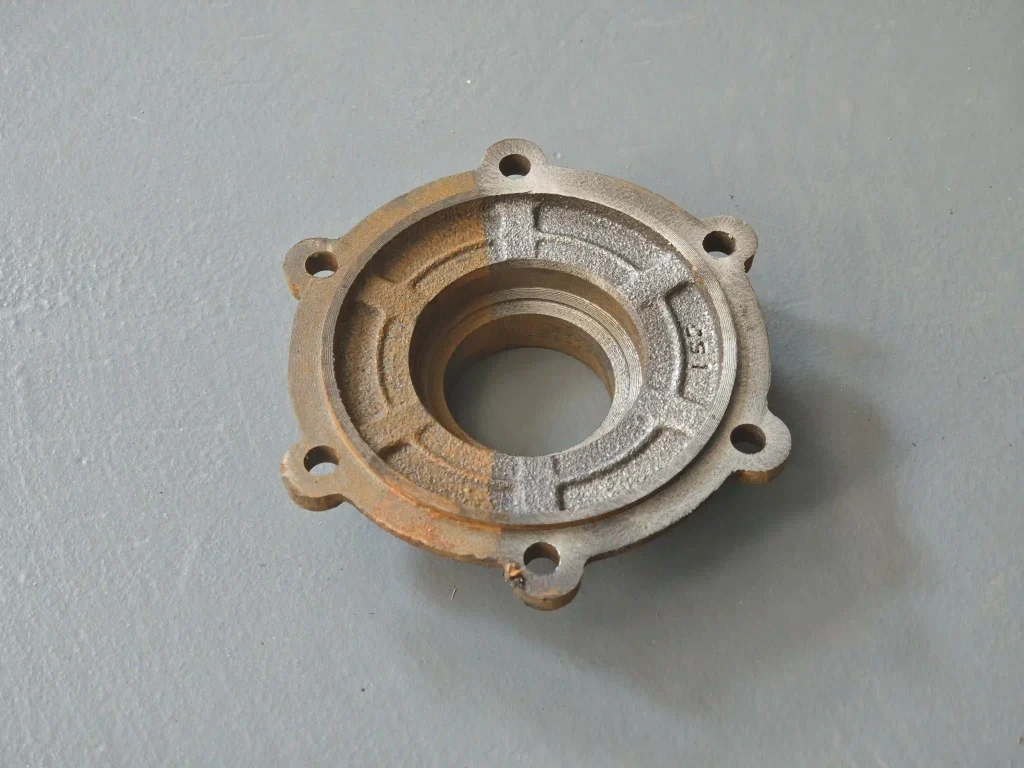
Laser Cleaning Samples

Send us an email to get further information you need, including our latest price, the best-customized solution, or any problem with the existing machine.