
Contact Us
What is laser pulse width?
Pulse width is the duration of a light spot, expressed in units of time. The longer the pulse width, the longer the burning time; the shorter the pulse width, the smaller the thermal effect.
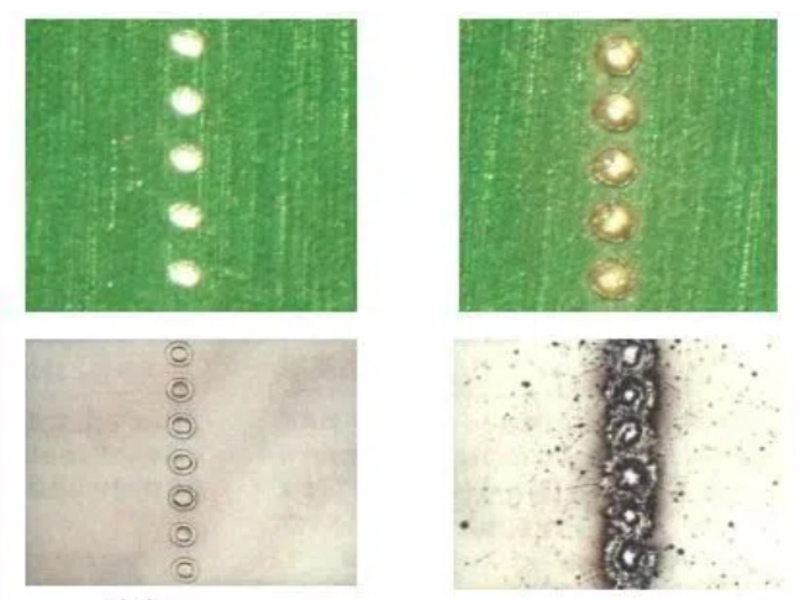
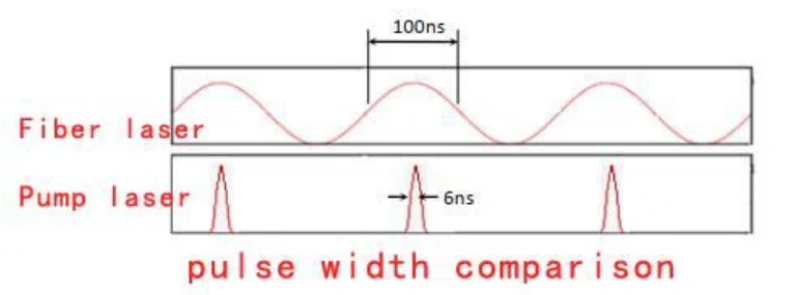
Tips:
Pulse width is also a way of laser classification, such as:
Ultrafast laser means that the pulse width is picosecond (ps), femtosecond
(Fs) level and below.
The processing heat of the ultrafast laser is even smaller (cold light plus
Workers), even exquisite pictures can be carved on the match head case.
Tips:
A narrow pulse width is an advantage. The pulse width is narrow and the thermal effect is low,
The better the processing effect; the pulse width is wide, the thermal effect is high, and the processing surface rougher.
Application Context for What is laser pulse width?
UV and precision laser applications are sensitive to material absorption, thermal effect and edge quality. Before choosing a system, CNMarking normally evaluates the sample material, expected mark contrast and whether cutting, etching or surface marking is required.
Recommended CNMarking Solutions and Internal Resources
If you are comparing equipment for a similar application, the following CNMarking pages are useful next steps:
- Laser Glass Etching Machine Guide - review glass etching, sandblasting and laser marking options.
- 30W UV Laser Cutting Sapphire Precision Case - see precision UV laser cutting for hard materials.
- UV Laser Glass Etching Customer Sample Test - view a customer sample test for glassware marking.
- Automatic UV Laser Marking for Lithium Battery QR Codes - connect UV marking to battery traceability applications.
How to Choose a Similar Marking Setup
Before selecting a machine, prepare a short sample brief with the following information. This helps CNMarking recommend the right laser, dot peen, scribe or automation configuration instead of only matching a picture.
- Material type such as glass, sapphire, plastic or coated surface
- Required line width, edge quality and visual contrast
- Fixture accuracy and camera positioning needs
- Batch size and inspection requirement
Related Reading
- 30W UV Laser Cutting Sapphire Precision Case
- UV Laser Glass Etching Customer Sample Test
- Automatic UV Laser Marking for Lithium Battery QR Codes
- How to Choose the Right Laser Marking Machine for Your Factory
FAQ
Can CNMarking test my own samples before I choose a machine?
Yes. For most marking, cleaning and welding projects, sample testing is the fastest way to confirm contrast, depth, speed and fixture requirements before final configuration.
What information should I send for a quotation?
Please send the material, part size, marking or cleaning area, required result, production volume and any automation or traceability requirements. Photos or short videos of the current process are also helpful.
How to use this page for an industrial marking project
This page is part of Zixu's application and product knowledge base for permanent industrial identification. If you are comparing marking methods, use it together with the related product pages below to confirm the right marking depth, marking speed, fixture style, automation level, and material compatibility before requesting a quotation.
Recommended next pages
- Fiber Laser Marking Machine
- MOPA Fiber Laser Marking Machine
- Laser Marking Machine Category
- Laser Marking Cases
Selection notes
For a project similar to What is laser pulse width?, please confirm the workpiece material, marking area, required cycle time, code type, production environment, and whether the machine needs to be handheld, benchtop, enclosed, or integrated into an automatic line. These details help us recommend a stable configuration instead of only matching a laser power or marking window size.
Send us your sample or drawing
If you are not sure which machine is suitable, send us product photos, marking content, drawing dimensions, and expected output. Zixu can provide sample marking feedback, fixture suggestions, and a practical machine configuration for distributors, factories, and system integrators.