
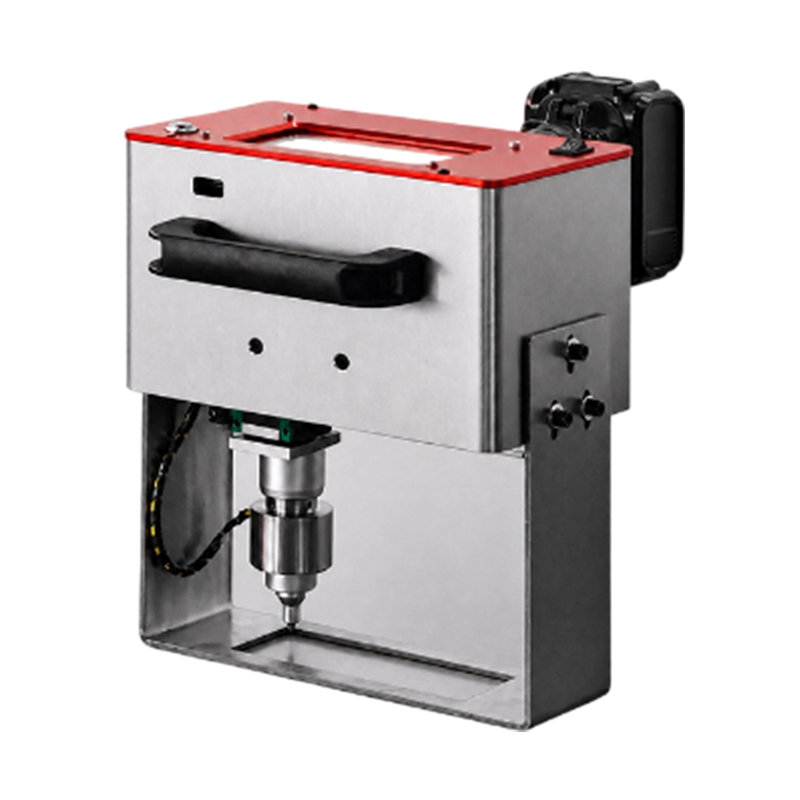
Handheld Electric Marking Machine
Zixu handheld electric marking machine is designed for permanent identification and traceability marking on metal components. Using an electromagnetic dot peen marking mechanism, it creates clear and durable marks without requiring an external compressed air supply. Its portable design makes it suitable for marking large, heavy, or fixed workpieces that are difficult to move to a stationary marking station.
As a practical electric dot peen marking machine, it can be used to mark serial numbers, part numbers, VIN codes, dates, text, and logos on a wide range of metal products. Whether used on a production floor or at an on-site workstation, it offers a flexible solution for industrial metal marking.
Applications of Portable Electric Dot Peen Marking Machines
Portable electric marking machines are suitable for a variety of industrial marking tasks, especially when workpieces are too large or inconvenient to transport.
Automotive Parts and VIN Marking
Automotive manufacturers and component suppliers use dot peen marking to identify engine parts, chassis components, metal brackets, and other vehicle parts. VIN numbers, production codes, and serial numbers help maintain consistent identification throughout the supply chain.
Large Metal Components and Equipment
For large machinery, steel structures, industrial valves, and heavy metal components, moving the workpiece to a fixed marking station can be difficult. A portable electric metal marking machine allows operators to perform marking directly at the work location.
Metal Identification and Product Traceability
Manufacturers can use handheld marking equipment to apply identification information to metal plates, machine parts, tools, and finished products. Permanent marks help reduce identification errors and make it easier to track products during storage, installation, and maintenance.