
Laser Empowerment, A New Experience in Intelligent Manufacturing for Foreign Trade
Pain Points in Packaging and Marking in Foreign Trade Logistics of Instrument and Equipment
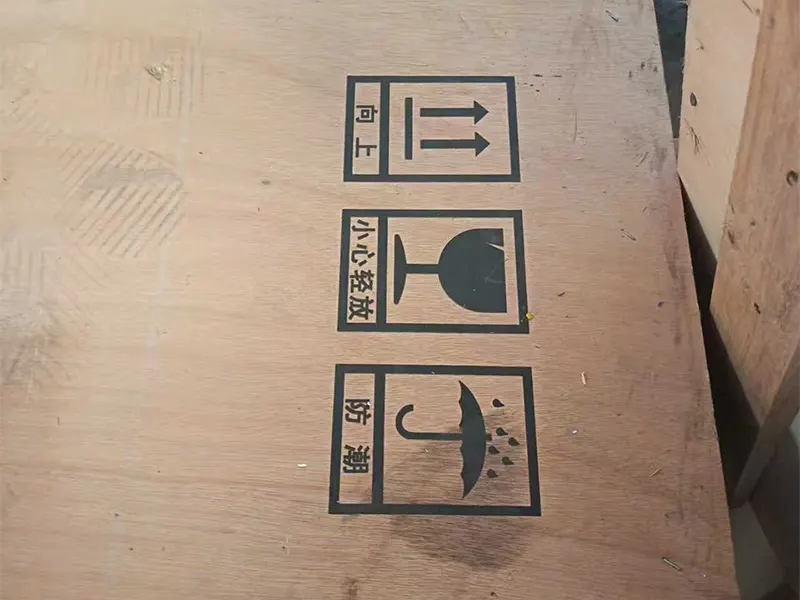
In the field of foreign trade of instruments and equipment, traditional packaging and information marking methods in the logistics process have long been a major problem troubling many enterprises. Because instruments and equipment themselves are high in value, large in volume, and complex in transportation conditions, enterprises have high requirements for the protective performance and compliance of packaging as well as the standardization of marking.
Under the traditional model, equipment shipment often requires custom-printed wooden crates. Such crates not only have long production cycles, but also cost as much as several hundred yuan to two or three thousand yuan per set. For batch shipments or single-piece small-batch orders, the cost burden is particularly heavy. Even more troublesome is that customs have strict regulations on the outer packaging marking of goods. Label content must be clear, standardized, not easy to fall off, and comply with the language and format requirements of the destination country. Ordinary A4 paper printing and pasting cannot be used because it is easily damaged, easily falls off, and does not meet customs inspection standards.
For this reason, enterprises can only rely on handheld inkjet printers to print logistics information segment by segment on site, and then manually piece together the complete marking content. This process not only demands high proficiency from operators, but is also highly prone to problems such as information errors and omissions, blurred handwriting, and non-standard printing positions. The entire operation is time-consuming and laborious, with cumbersome steps. A slight mistake may cause the goods to be detained at the destination port or delay customs clearance, becoming an efficiency bottleneck that is difficult to overcome in the shipping process.
As foreign trade orders develop toward multiple batches, small batches, and customization, the low efficiency problem in this packaging and marking link has become increasingly prominent and has become a key shortcoming constraining enterprises’ delivery capability and customer satisfaction.
The Way to Break Through: A Logistics Marking Revolution Triggered by a Word-of-mouth Recommendation
Turning points often arrive unexpectedly. This time, the opportunity came from a word-of-mouth recommendation within the industry.
While communicating with other instrument and meter partners in the industry, this customer incidentally learned about the application potential of flying CO₂ laser marking machines in the field of packaging marking. At that time, they were deeply mired in the many pain points of traditional logistics marking processes—high custom wooden crate costs, cumbersome handheld inkjet operations, and high risks of customs inspection. Each of these was squeezing profit margins and delivery efficiency.
Through the partner’s referral and detailed introduction, the customer developed a strong interest in this technical solution and immediately initiated on-site inspection and performance verification. During the technical team’s on-site demonstration, the flying CO₂ laser marking machine demonstrated performance far beyond expectations: no consumables required, long-term clear marking, flexible adaptation to different packaging materials, and avoidance of problems in traditional marking methods such as label falling off, blurred information, and manual operation errors.
Particularly crucial was that the customer keenly discovered a distinctive function of the equipment—the “static marking test” mode. This mode allows previewing marking content and calibrating position while the equipment is not continuously emitting laser, ensuring marking accuracy while avoiding packaging damage or material waste caused by misoperation. With this innovative application, the customer successfully restructured the originally cumbersome, time-consuming, and high-cost logistics marking process:
No longer relying on custom-printed wooden crates; ordinary packaging can directly carry long-term laser markings;
Saying goodbye to the segment-by-segment assembly operation of handheld inkjet printers and achieving one-key information output;
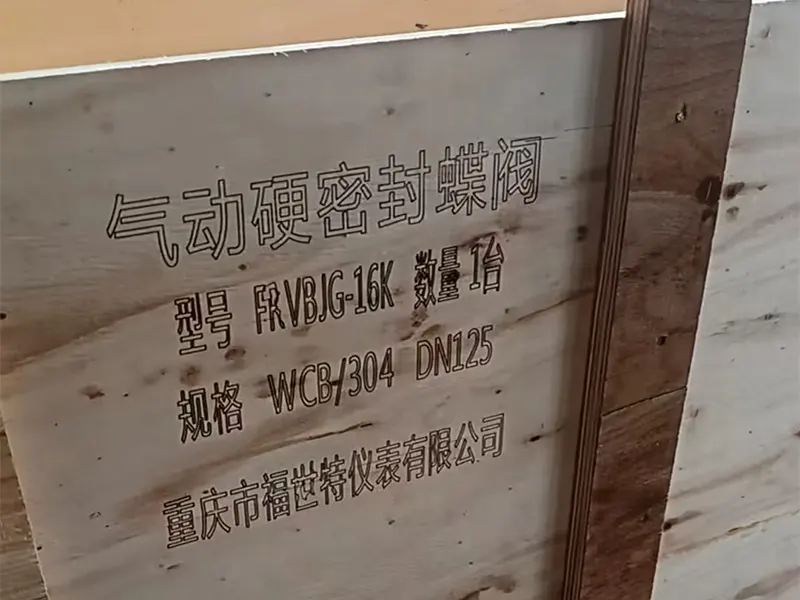
Laser equipment marking is clear, wear-resistant, and complies with customs regulations of various countries, greatly reducing customs clearance risks.
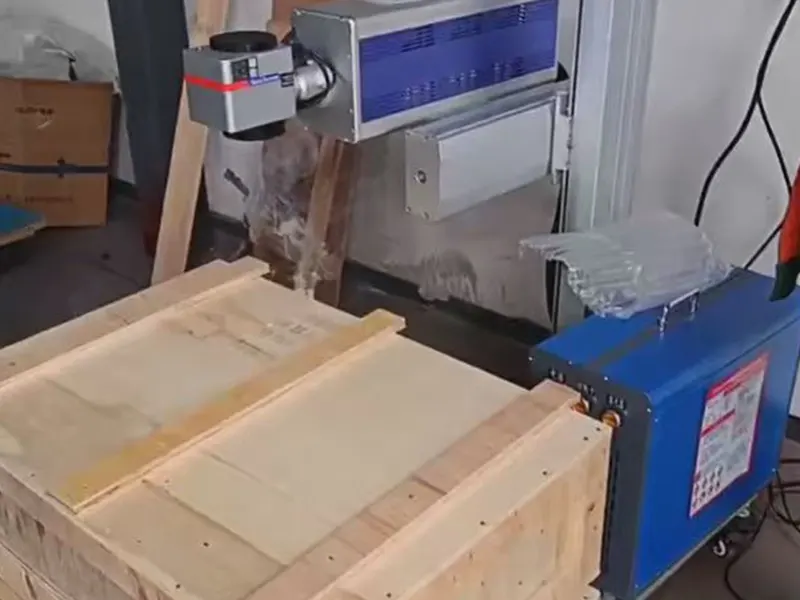
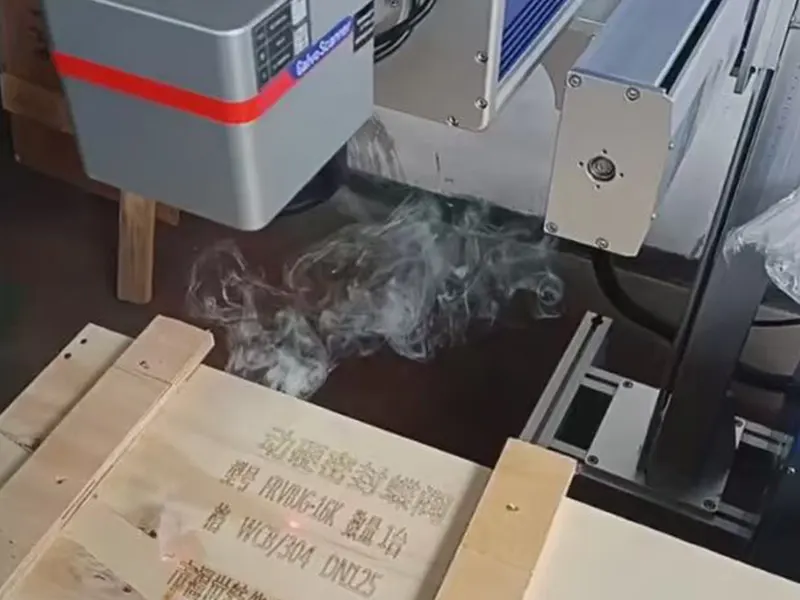
After adopting the new solution, the customer only needs to purchase general blank wooden crates and can then use the laser marking machine to flexibly engrave required content such as logistics marks, packing information, and company logos. The links that originally relied on custom printing and manual pasting have been simplified. Through the touchscreen of the equipment’s integrated controller alone, operators can manually input or directly import patterns and complete the full marking of each box surface with one key. The operation is convenient and intuitive, greatly improving outbound efficiency.
This transformation has brought significant economic and operational benefits. The customer saves tens of thousands of yuan annually in wooden crate customization and consumables. At the same time, the laser markings are clear and meet transportation and customs requirements. The pre-shipment operation time is significantly shortened, labor input is reduced, and the overall supply chain response speed and professional image have been improved in both respects.